






The Electric Elephant in the Room
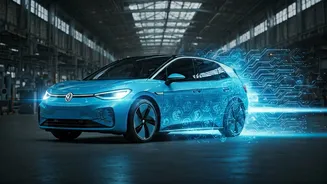
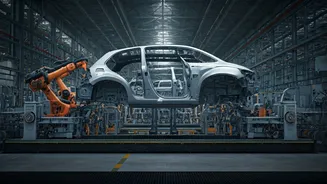
At the heart of these discussions is Volkswagen's colossal pivot to electric vehicles (EVs). The German automaker is in the midst of one of its largest-ever corporate overhauls, aiming to invest billions to become a dominant force in the EV market. This
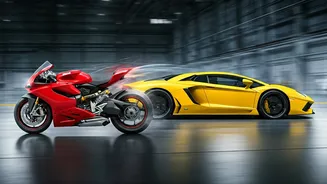
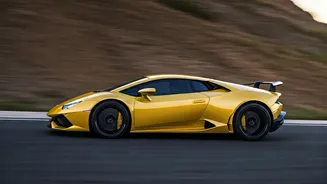
transition is incredibly expensive, prompting the company to scrutinize all its assets to fund the future. The pressure is intensified by fierce competition from Chinese EV manufacturers and a general slowdown in EV sales, forcing hard decisions about the company's portfolio. This strategic review has brought its most glamorous, high-performance, and combustion-engine-focused brands—Lamborghini and Ducati—into the spotlight.
More Than Just a Simple Sale
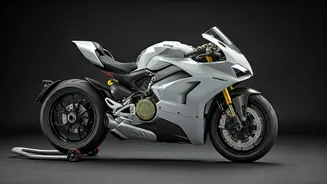
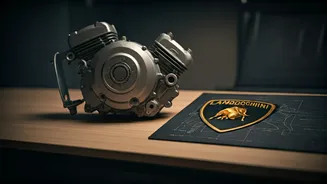
While headlines may suggest an outright sale, "restructuring" can mean several things. Investment banks are reportedly advising Volkswagen to reconsider various options that have been on the table before. For Ducati, this could mean an outright sale to another company or investment group. For the highly profitable Lamborghini, valued at over $22 billion, a more likely route could be an Initial Public Offering (IPO). An IPO would allow Volkswagen to raise significant cash by selling a portion of the company on the stock market while likely retaining a controlling stake through its Audi subsidiary. This isn't the first time these talks have surfaced; Ducati was considered for sale back in 2017 in the wake of the 'Dieselgate' scandal, though the plan was ultimately shelved.
Why Divest the Crown Jewels?
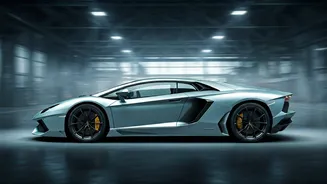
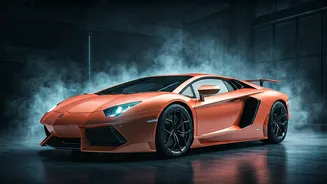
On the surface, selling highly profitable brands seems counterintuitive. Lamborghini, for instance, generated hundreds of millions in profit last year and is considered a crown jewel of the VW Group. Both it and Ducati are leaders in their respective markets with immense brand loyalty. However, the logic lies in long-term strategy and immediate financial need. The cost of VW's restructuring is immense, with plans that could involve closing factories and significant job cuts requiring billions in payouts. The proceeds from a successful sale of its marine engine business, Everllence, were substantial but could be quickly consumed by these costs. Selling or spinning off Ducati and Lamborghini now, while their valuations are high, could provide the crucial capital needed to fund the company's EV ambitions for its mass-market brands.
A Signal for the Entire Auto Industry
Volkswagen's dilemma is a reflection of a challenge facing the entire automotive world. Traditional manufacturers are grappling with how to finance a once-in-a-century transition away from the internal combustion engine—the very technology that built their empires. Luxury brands present a particular conundrum. Their customers often value the sound and emotion of a powerful petrol engine, and the market for ultra-luxury EVs has shown signs of weakness. The talks at VW show that even the most iconic and profitable legacy assets may be on the table as carmakers navigate the costly and uncertain road to an electric future. The outcome will be a strong indicator of the strategic direction legacy automakers will take over the next decade.