







The Scale of the Problem
In India, a staggering amount of food is wasted at the household level. Reports indicate that the average Indian household throws away over 50 kilograms of food each year, contributing to a nationwide total of more than 78 million tonnes annually. Much
of this waste stems from a simple misunderstanding of the dates printed on packaging. By learning to interpret these labels correctly, we can not only prevent good food from ending up in the bin but also ease the strain on our household budgets and the environment.
Cracking the Code: 'Best Before' vs. 'Expiry Date'
The Food Safety and Standards Authority of India (FSSAI) has set clear definitions for date markings on packaged goods. The two most common, and most confusing, are 'Best Before' and 'Expiry Date'. Understanding the distinction is the first step to becoming a smarter consumer. 'Best Before' is about quality, while 'Expiry Date' or 'Use By' is about safety.
The Truth About 'Best Before'
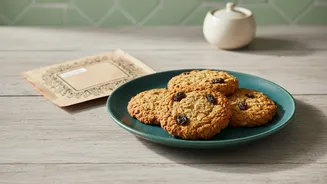
The 'Best Before' date is the manufacturer's guarantee of peak quality. It signifies the period during which the food will retain its intended flavour, texture, and nutritional value, provided it is stored correctly. It is not a safety deadline. Many foods are perfectly safe to eat after their 'Best Before' date has passed. Think of items like biscuits, pasta, spices, and canned goods. They might not be as crisp or flavourful, but they are generally not harmful. For example, a packet of biscuits might be slightly less crunchy, or the aroma of ground spices might be a little weaker, but they are usually still consumable.
When to Heed the 'Expiry Date'
The 'Expiry Date', also seen as 'Use By' or 'Recommended last consumption date', is a strict safety instruction. Once this date has passed, the food should not be sold or consumed, as it may be unsafe and could pose a health risk. This label is typically found on highly perishable items that are prone to bacterial growth, such as milk, yoghurt, paneer, bread, and packaged meats. For these products, it is crucial to adhere to the date on the label to avoid the risk of foodborne illnesses.
Your Senses Are Your Best Guide
Beyond the printed date, your own senses are a powerful tool. Before you discard food that is near or just past its 'Best Before' date, perform a simple check. Look for any signs of spoilage, such as mould, discolouration, or a change in texture. Smell the product; an 'off' or sour odour is a clear warning sign. If it looks and smells fine, you can taste a tiny amount. For many shelf-stable products, this sensory check is a reliable way to determine if the food is still good to eat, preventing unnecessary waste. Trust your judgment.
Smart Storage for a Longer Shelf Life
How you store your food is just as important as reading the label. Following the storage instructions on the package—such as 'refrigerate after opening' or 'store in a cool, dry place'—can significantly extend a product's life. Storing dals and grains in airtight containers, keeping potatoes and onions in a dark, ventilated space, and ensuring your refrigerator is at the correct temperature can keep food fresh for longer. Proper storage not only preserves quality but also saves you from throwing away items before you even get a chance to use them.