


The Anatomy of a Viral Loaf
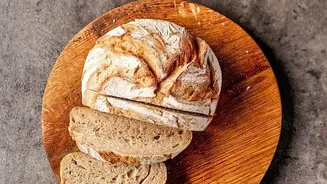
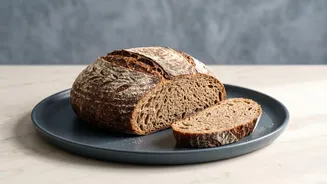
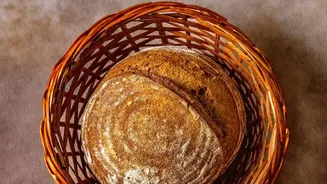
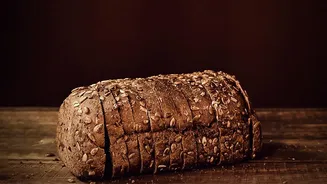
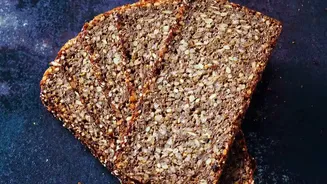
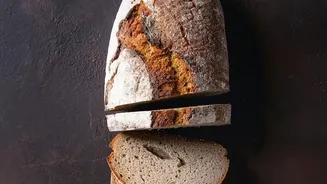
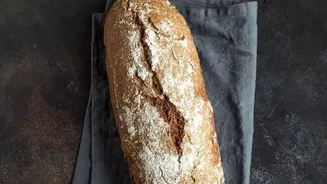
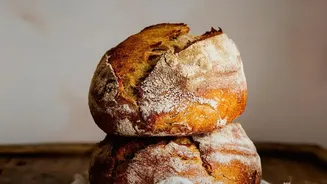
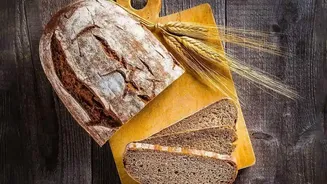
The bread at the center of this viral fascination comes from Rye by Martin Auer, the first American location for a storied Austrian bakery. This isn't your average sandwich bread. The $60 item is a massive, 3.3-pound loaf of dense, dark, 100% rye sourdough,
crafted in a traditional Austrian style. The ingredient list is deceptively simple: organic rye flour imported from Austria, water, and salt. But the fourth, unlisted ingredient is time. The sourdough starter undergoes a 24-hour fermentation process, a key step that develops its signature tangy flavor and requires daily feeding and attention before the dough is even mixed. From there, it’s a multi-stage process of mixing, shaping, fermenting again, and finally baking before the loaf is allowed to rest. It’s presented less as a grocery staple and more as an edible work of art.
From Breakfast to 'Conversation Piece'
While the $60 price has generated endless online debate and media buzz, the bakery offers more accessible ways to partake in the experience. The mammoth loaf is also sold in more manageable portions: $30 for a half or $15 for a quarter. For those looking for a smaller taste of luxury, the bakery offers single slices of toast with toppings like jam or brie that can cost up to $14. This transforms the bread from an expensive grocery run into an affordable, high-end cafe experience. It has become what some call a "conversation piece," something to try once for the novelty and the story. The phenomenon taps directly into the modern desire for unique, shareable moments, where the experience of tasting something so discussed is as valuable as the food itself.
The Price of Craft (and Rent)
So, how does a bakery justify a price that’s multiples higher than its European counterpart, where a similar loaf sells for under €15? The owners point to a perfect storm of expenses. First, there's the cost of operating in SoHo, one of Manhattan’s most expensive commercial districts. Then there's the expense of importing high-quality organic rye flour directly from Austria to maintain authenticity. But most importantly, they emphasize the labor-intensive craftsmanship passed down through generations—the current co-owner is the great-grandson of the founder. In their view, customers aren't just paying for flour and water; they are investing in a culinary tradition. This argument has its defenders, even among other acclaimed New York bakers, who see it as a celebration of a unique and challenging style of bread-making that most Americans have never experienced.
The 'Little Treat' Economy
The $60 loaf is more than just an outlier; it’s a telling artifact of our current economic and cultural climate. It slots neatly into the growing trend of premiumizing everyday essentials and what some analysts have dubbed the "little treat economy." The idea suggests that as major life purchases like homes feel increasingly out of reach for many, small, high-quality splurges become more justifiable. Spending $14 on a transcendent piece of toast or dropping $60 on a loaf for a special occasion provides a hit of luxury without the commitment of a major investment. It’s a phenomenon seen across consumer goods, from single-origin coffee to craft chocolate, where quality, story, and ethical sourcing command a higher price. This bread, in all its expensive glory, is a testament to a market where consumers are increasingly willing to pay for a story, a tradition, and a truly memorable taste.