




The Viral Garden Hack Explained
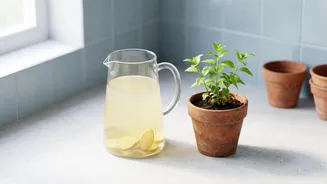
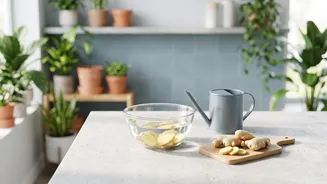
Scroll through any social media platform, and you'll likely find videos of gardeners enthusiastically promoting ginger water. The advice is simple: grate or blend some ginger, steep it in water, strain it, and use the resulting liquid as a cure-all for your
plants. The claims are broad and impressive, suggesting it can act as a natural rooting hormone, a powerful pesticide, a fungicide to prevent root rot, and a fertiliser to boost growth. It seems like a cheap, natural, and easy solution to common gardening woes, which explains its immense popularity. But when something sounds too good to be true, it often is.
The Science: A Kernel of Truth
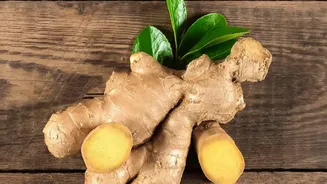
The claims about ginger water aren't fabricated from thin air; they are based on a sliver of scientific truth. Ginger rhizomes contain potent bioactive compounds, most notably gingerol, shogaol, and zingiberene. Scientific studies have confirmed that these compounds possess significant antifungal and antibacterial properties. Research has shown that ginger extracts can inhibit the growth of certain harmful fungi, like Fusarium solani, a common cause of crop disease. Some studies also demonstrate its effectiveness as a bio-pesticide, capable of repelling or even harming insects like ants, mosquitoes, and armyworms by interfering with their nervous and respiratory systems. It is this proven biocidal activity that gives the gardening hacks their perceived credibility.
Myth: A Potent Rooting Hormone?
One of the most popular claims is that ginger water helps plant cuttings develop roots. The logic is that its antimicrobial properties protect the fresh cut from rot, creating a healthier environment for rooting. While protecting a cutting from infection is certainly beneficial, there is little scientific evidence to suggest ginger itself contains the specific hormones (auxins) that actively stimulate root formation. Anecdotal videos may show success, but this could be due to other factors like the plant type, ambient humidity, or simply the water itself. Compared to proven methods like using a commercial rooting hormone powder or even other natural options like honey (which also has antiseptic qualities), ginger water is an unreliable and unproven choice for propagation.
Reality: A Limited Natural Pesticide
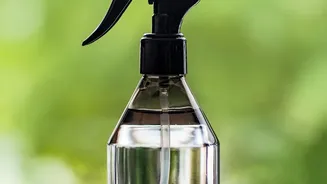
The idea of ginger water as a pesticide holds more weight, but with major caveats. Studies confirm that concentrated ginger extract or essential oil can be an effective pest deterrent. However, the homemade 'ginger tea' made by steeping a few scraps in water is a far cry from a scientifically formulated extract. The concentration of active compounds in such a DIY spray is likely far too low to have a significant impact on most pests. While the strong smell might deter some insects temporarily, it's unlikely to solve a serious infestation. Furthermore, simply watering the soil with it will do little to protect leaves from aphids or whiteflies. For it to be effective, it needs to be applied as a more concentrated spray directly on the pests.
The Potential Downsides and Risks
Using homemade concoctions in your garden isn't without risks. A sugary or pulpy ginger solution can do more harm than good. Instead of repelling pests, it can attract ants, flies, and other unwanted insects. The organic matter can also encourage the growth of sooty mould on leaves or harmful fungi in the soil, especially if the soil is already damp. The concentration is another unknown factor; a solution that is too strong could potentially scorch delicate leaves or negatively impact the soil's pH balance. Without a clear, tested recipe, you are conducting an uncontrolled experiment on your beloved plants. Sticking to proven gardening practices is always a safer bet.
Better Ways to Use Ginger in the Garden
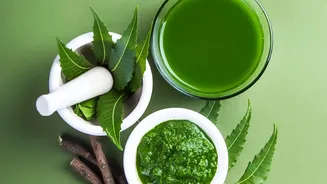
This doesn't mean your kitchen scraps have to go to waste. The best and safest way to recycle ginger peels and leftover bits is by adding them to your compost pile. In compost, they break down slowly, releasing their nutrients and beneficial compounds into a balanced, soil-enriching mixture that won't shock your plants. If you want a natural fungicide, improve soil drainage and avoid overwatering. For pest control, consider proven horticultural soap sprays or neem oil, which are formulated to be effective and safe for plants when used correctly. And for rooting cuttings, a reliable rooting hormone from a garden centre is your best bet for consistent success.