




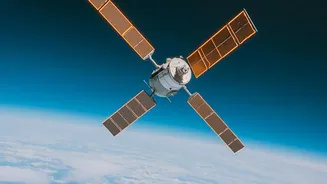


Have you ever wanted to name a spaceship? The UK Space Agency is offering a rare chance to make history by naming its first-ever national space mission. But this isn't just any mission; it's a pioneering effort to clean up Earth's orbit.
A Janitor for the Cosmos
The mission in
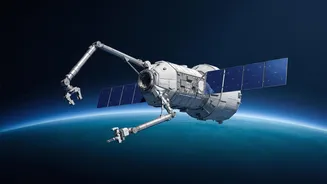
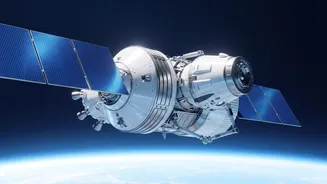
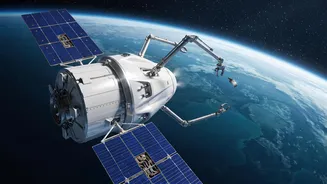
question is the UK's Active Debris Removal (ADR) mission, a groundbreaking project designed to tackle the growing problem of space junk. A specially designed robotic spacecraft, built by ClearSpace UK, will be launched into space with a unique task: to find, capture, and safely remove two defunct UK-licensed satellites currently orbiting the Earth. Once captured, the spacecraft will guide these old satellites back towards the atmosphere, where they will burn up harmlessly, ensuring they no longer pose a threat to active satellites and future launches. This marks a major step for the UK in the field of space sustainability.
Why Does Space Need Cleaning?
Low Earth Orbit is becoming increasingly crowded. There are thousands of active satellites that we rely on for daily services like mobile phone signals, online banking, and weather forecasting. However, there are also thousands of defunct satellites and countless pieces of debris left over from previous missions. This orbital 'junkyard' travels at incredibly high speeds, and even a small piece of debris can cause catastrophic damage to a functioning satellite. With tens of thousands more satellites planned for launch by 2030, missions like the UK's ADR are seen as essential to protect our vital space infrastructure and keep orbit safe for generations to come.
The Perils of Public Polls
Whenever a public naming contest is announced, it's hard not to think of 'Boaty McBoatface'. In 2016, a poll to name a new polar research ship went viral after the public overwhelmingly voted for the playful moniker. Despite receiving 124,109 votes, the authorities ultimately decided against it, naming the vessel the RRS Sir David Attenborough, which came fifth in the poll. The public backlash was significant, but a compromise was found: the name Boaty McBoatface was given to one of the ship's advanced underwater submersibles. This history has taught organisations to be careful; the UK Space Agency has made it clear that while it wants public input, it reserves the right to make the final decision.
What Makes a Winning Name?
The UK Space Agency has set out clear guidelines for its naming competition. They are looking for a memorable name of no more than two words, which can be an acronym. The name should reflect the mission's theme of keeping space clean and safe for the future. Crucially, submissions must not be military-themed, use commercial brand names, or infringe on any existing trademarks. Past inspiring names include 'Principia', Tim Peake's mission to the ISS, and 'JUICE' (Jupiter Icy Moons Explorer). The competition is open for submissions online via the UK Space Agency's website until 5:00 pm GMT on December 10, 2026.
More Than Just a Name
This mission represents a significant investment and a major milestone for the UK's space sector. Backed by over £60 million from the government, the project is about more than just tidying up; it's about establishing the UK as a leader in the rapidly growing field of in_orbit servicing and manufacturing. The ability to safely interact with, repair, or remove satellites is a critical capability for future space operations. By launching its first national mission focused on sustainability, the UK is sending a strong message about its commitment to responsible stewardship of the space environment. The winning name will not just be on a spacecraft; it will be on a piece of history that helps shape the future of how humanity operates in orbit.