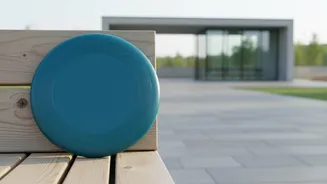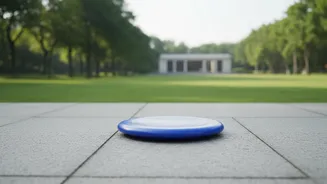




The All-Ages Appeal of Tossing a Disc
Few activities are as effortlessly enjoyable as playing with a flying disc. It’s a sport that transcends age and fitness levels, making it perfect for a day at the park, a beach outing, or just a bit of fun in a local field. The equipment is minimal—a
single disc can cost less than a movie ticket—and the rules are as simple as you want them to be. Beyond the fun, it’s a fantastic way to get moving. A casual game improves hand-eye coordination and provides a light cardiovascular workout without feeling like a chore. For those who get more serious, sports like Ultimate Frisbee offer a high-intensity game that builds endurance, speed, and agility, combining elements of football and soccer.
Don't Skip the 5-Minute Warm-Up
It might feel like overkill for a casual game, but a proper warm-up is your best defence against injury. The repetitive throwing motion, combined with sudden sprints and direction changes, puts stress on cold muscles and joints. Taking just five minutes to prepare your body can make all the difference. Start with a light jog or brisk walk to get your blood flowing. Then, move into dynamic stretches. Focus on the areas that will be doing the most work: your shoulders, back, and legs. Try some arm circles (both forward and backward), shoulder rolls, and torso twists. For your lower body, leg swings (front-to-back and side-to-side), high knees, and butt kicks will prepare your hamstrings, quads, and hips for action. This small investment of time significantly reduces your risk of muscle strains.
The Hidden Risks of a Casual Game
While generally safe, frisbee is not without its physical demands. The throwing motion, especially if done with poor form, can lead to overuse injuries in the shoulder and elbow, such as rotator cuff tendinitis. Because the sport involves quick stops, starts, and pivots, lower-body injuries are also common. Ankle sprains are frequent, often caused by landing awkwardly after a jump or changing direction too quickly. Knee injuries, including ligament sprains, can also occur. In more competitive games, players see everything from hamstring pulls to jammed fingers from catching a fast-moving disc improperly. Acknowledging these risks isn't meant to scare you off, but to highlight why a little preparation is so important.
Scout Your Surroundings for Safety
Where you play is just as important as how you play. Before you start your first throw, take a minute to survey the area. Look for a playing surface that is flat and free of hazards. Uneven ground, hidden potholes, or slippery patches of wet grass can easily lead to a twisted ankle or a fall. Check for obstacles like benches, trees, or stray equipment. Ensure you have ample space, not just for running, but also a buffer zone between your playing area and other people, pathways, or parking lots. This situational awareness protects you, your fellow players, and anyone else enjoying the public space. A clear, open field is always your best bet for a safe and enjoyable game.
Good Form for a Better, Safer Throw
You don’t need to be a pro to benefit from practicing good technique. Many common throwing-related injuries stem from improper form that puts unnecessary strain on the shoulder and elbow. A basic backhand throw, for instance, should be a fluid motion involving your whole body, not just your arm. Step across your body as you throw, letting your hips and torso rotate to generate power. Your arm should follow through smoothly across your chest. When catching, try to absorb the impact with your hands rather than letting the disc jam your fingers. Watch experienced players or look up a quick tutorial online. A few small adjustments can not only improve your accuracy and distance but also protect your joints from long-term wear and tear.