

The Allure and Overload of Ladakh
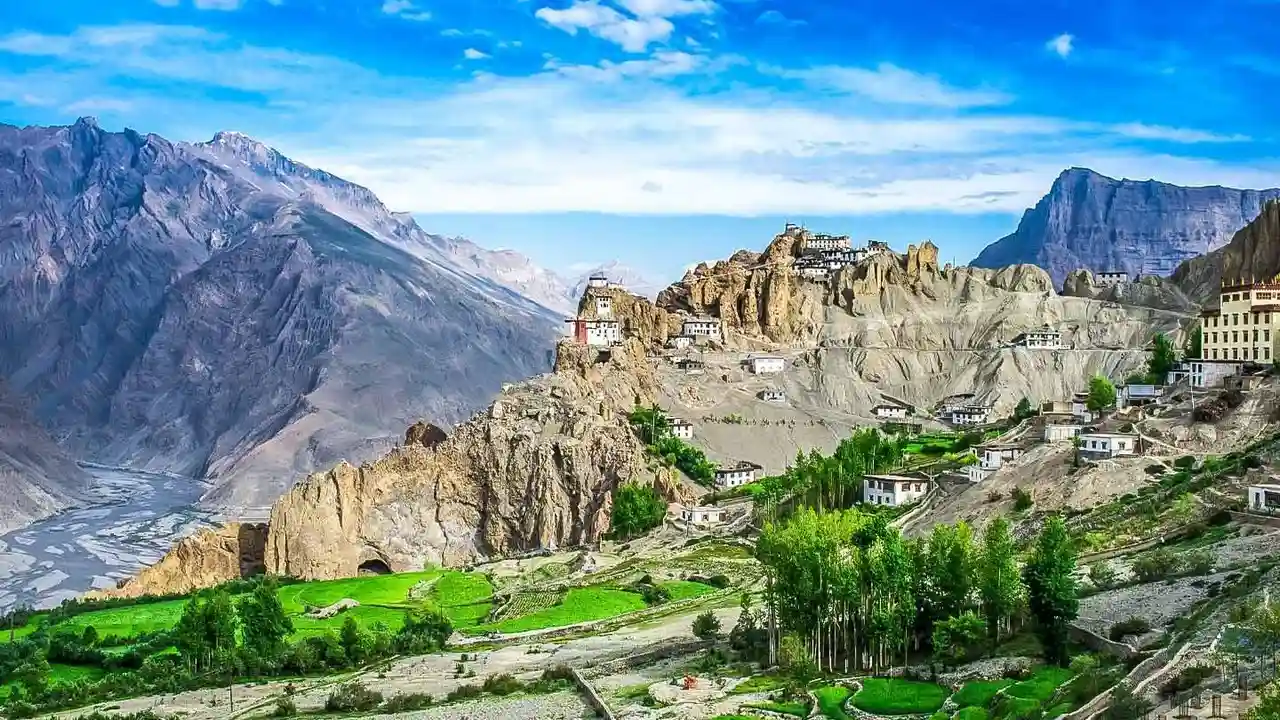
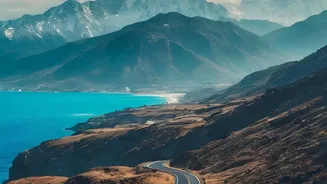
For years, the road trip to Ladakh has been a rite of passage for Indian adventurers. Its moonlike landscapes, serene monasteries, and breathtaking passes like Khardung La are legendary. The circuit offers a perfect blend of challenge and accessibility,
which has rightfully placed it on countless bucket lists. However, this fame has come at a cost. Today, the once-quiet roads can feel more like highways, with queues at popular photo spots and a tourism infrastructure straining under the pressure. The very solitude that many seek is becoming harder to find, prompting seasoned travellers to search for the next great Himalayan frontier.
Arunachal: India’s Emerald Frontier
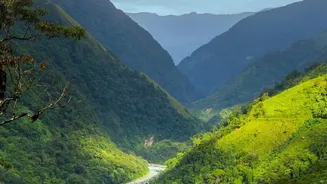
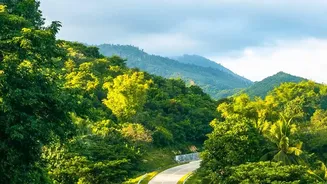
Enter Arunachal Pradesh, a state that feels a world away from the arid landscapes of Ladakh. Often called the 'Land of the Dawn-Lit Mountains', it is a region of incredible biodiversity, wrapped in dense forests, roaring rivers, and vibrant tribal cultures. Unlike Ladakh's stark, high-altitude desert, Arunachal is a symphony in green. It is home to over 25 distinct tribes, and its lower altitudes make for a different kind of journey—one that is less about conquering extreme heights and more about immersing yourself in a rich, living culture and an untamed natural world.
The Journey from Dirang to Mago
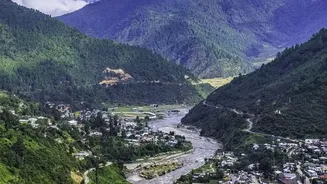
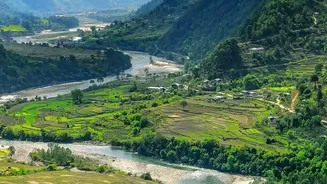
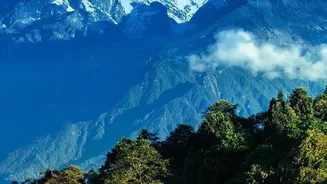
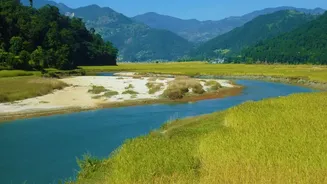
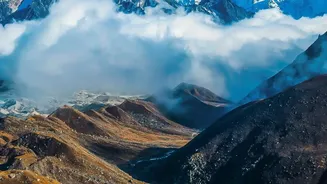
The Dirang-to-Mago road trip is Arunachal’s answer to the classic Himalayan drive, offering epic scenery without the crowds. The journey begins in Dirang, a peaceful town in the West Kameng district known for its Monpa culture, ancient fortress, and pleasant weather. From here, the road ascends towards the formidable Sela Pass, which sits at over 13,000 feet and often sees snowfall in winter. After the pass, the route winds down towards Jung Waterfall before branching off towards Mago, a remote village nestled near the Indo-China border. This stretch, described by some as a “biker’s paradise,” follows a pristine river through dense pine forests and dramatic valleys. The drive itself, which takes about seven to nine hours, is the destination, with the landscape shifting from lush valleys to alpine meadows and snow-dusted peaks.
What to Expect on the Road Less Travelled
The Mago route is not just a scenic drive; it is an experience in raw, unfiltered adventure. The village of Mago is a small settlement of the Monpa community, primarily yak herders, where life moves at a different pace. The area is known for its natural hot springs, believed to have therapeutic properties. Beyond Mago, the journey can lead to the stunning high-altitude Gongkar La Lake, which is accessible without a strenuous trek. One of the biggest draws is the feeling of true exploration. With fewer tourists, the interactions with locals are more authentic, the landscapes feel more personal, and there is even the rare chance of spotting wildlife like the elusive red panda. It's a journey for those who appreciate solitude and the thrill of discovery.
Planning Your Arunachal Escape
A trip to this region requires some planning. First and foremost, Indian citizens need an Inner Line Permit (ILP) to enter Arunachal Pradesh, which can be applied for online. The best time to visit is generally from October to April, when the skies are clear and the weather is pleasant, though spring (March-May) offers blooming flowers. Reaching Dirang typically involves flying to Guwahati or Tezpur in Assam and then undertaking a multi-hour road journey. For the Dirang-Mago stretch, a sturdy vehicle like an SUV or a 4x4 is highly recommended due to unpredictable road conditions, especially if travelling during the monsoon. Because of the remote location, mobile networks are unreliable and it's wise to carry sufficient cash, as ATMs are scarce beyond major towns.