

The Allure of Remote Mago
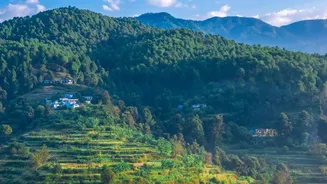
Before embarking on this challenging drive, it's worth understanding the destination's magnetic pull. Mago is not a conventional tourist spot; it is a remote Monpa village nestled at over 11,000 feet, where life moves to an ancient rhythm. The reward
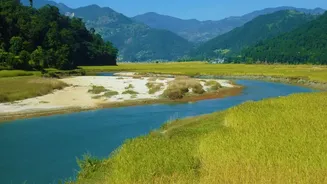
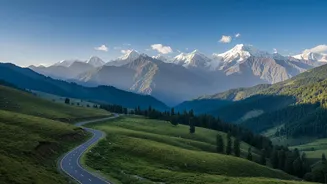
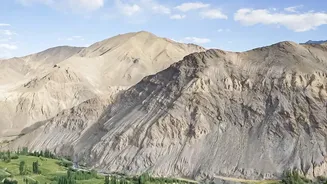
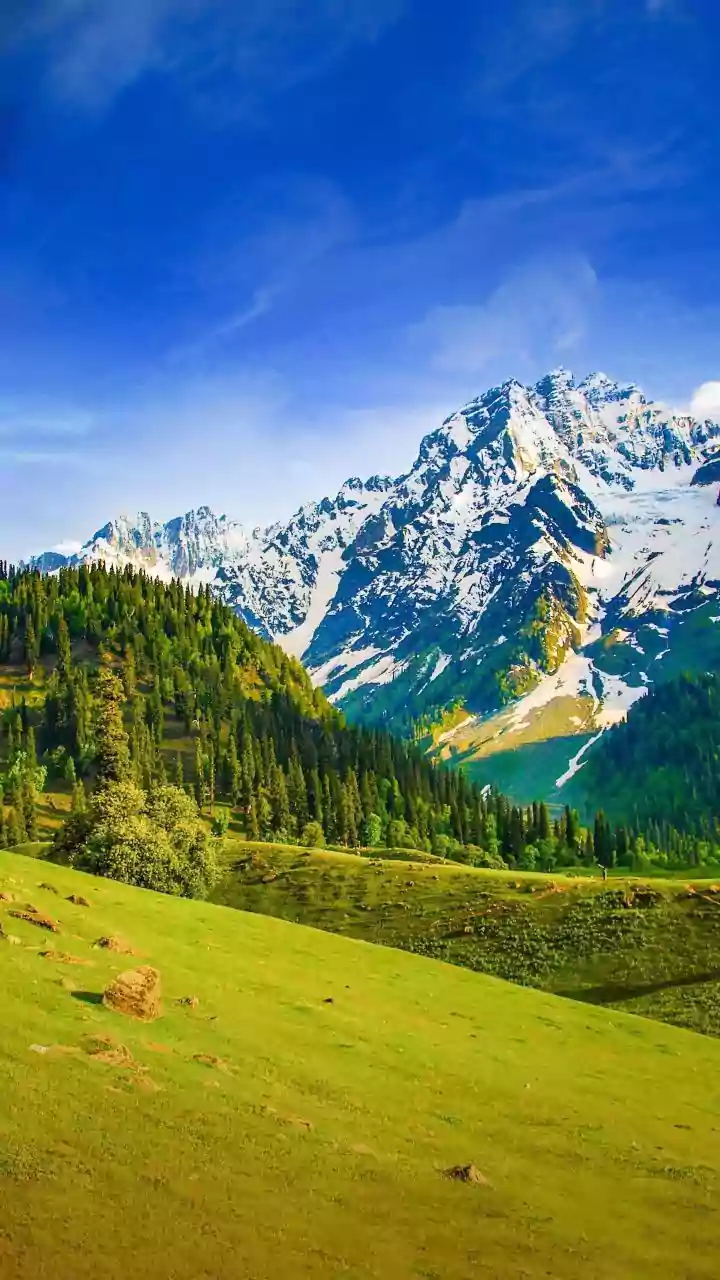
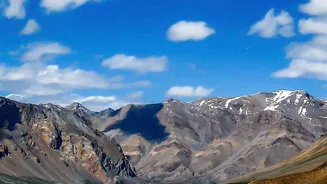
for the arduous journey is profound: access to pristine natural hot springs by the Goshu Chu river, vast meadows where yaks graze freely, and an authentic cultural experience far from commercial tourism. This is a place for the adventurous traveller seeking solitude and a genuine connection with a world preserved by its own remoteness. The valley's raw beauty, from its cascading waterfalls to its towering peaks, is the prize for those willing to brave the path to get there.
The Route and Its Reality
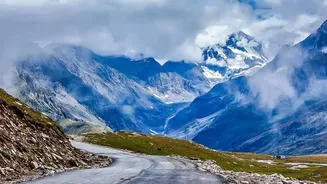
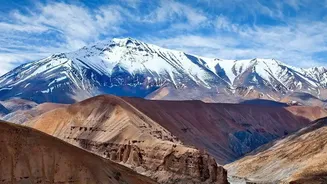
On a map, the distance from Dirang to Mago might seem manageable. The reality is a full-day commitment, often stretching from seven to nine hours. The journey begins from the serene town of Dirang, a popular acclimatisation hub, and ascends towards the formidable Sela Pass, which sits at an elevation of over 13,700 feet. After crossing the pass, the route descends towards the town of Jung, famous for its spectacular waterfall, before following the Mago Chu river towards Thingbu and finally, Mago village. This is not a drive measured in kilometres but in hours, where every turn presents a new vista and a potential delay. The significant changes in altitude and terrain demand a slow and steady pace, making an early start from Dirang non-negotiable.
An Unpredictable Weather Gauntlet
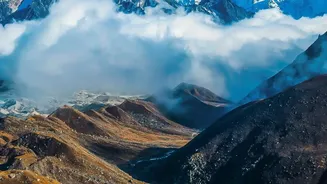
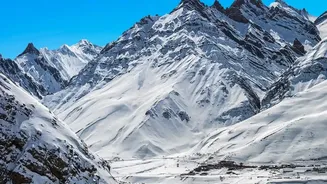
The single greatest variable on the Dirang-Mago route is the weather. Conditions in the Eastern Himalayas can shift dramatically and without warning. A sunny morning can quickly give way to dense fog that reduces visibility to near zero, especially around Sela Pass. During the monsoon season, typically from June to September, the risks multiply. Incessant rainfall saturates the steep slopes, leading to frequent landslides and rockfalls that can block roads for hours or even days. In fact, advisories were issued in June and July 2026 for roads in the region, including the Tawang-Thingbu stretch leading to Mago, due to major blockages. In winter, heavy snowfall can make the route impassable without specialised equipment like snow chains.
A Road of Stark Contrasts
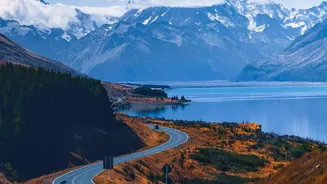
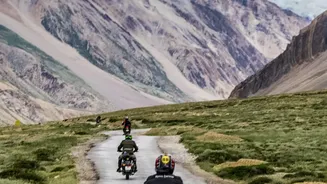
The road itself is a mix of surprisingly good stretches and extremely challenging sections. Thanks to the Border Roads Organisation (BRO), parts of the route are well-paved, including the incredible "cave road" carved into cliffs along the river gorge. However, travellers should not expect a smooth highway for the entire duration. The drive includes long patches of unpaved surfaces, slushy areas after rain, and narrow single-lane sections where cautious navigation is essential. Landslide-prone zones are common, and drivers must remain alert to debris on the road. The journey is a true test of a vehicle's capability and a driver's skill, offering a blend of impressive engineering and raw, rugged terrain that defines Himalayan road travel.
The Right Vehicle and A Local Hand
Attempting this drive in a standard sedan or hatchback is not advisable. A high-ground-clearance 4x4 SUV is essential to navigate the rough patches, steep inclines, and potential obstacles. Even more crucial is the person behind the wheel. Hiring an experienced local driver from Dirang or Tawang is highly recommended. These drivers possess an intimate knowledge of the terrain, understand the weather patterns, and know how to handle the unpredictable road conditions safely. They are also well-versed in navigating the various army checkpoints along this sensitive border route and can make informed decisions about whether it is safe to proceed if the weather turns sour. Their expertise transforms the drive from a risky gamble into a manageable adventure.
Your Pre-Drive Checklist
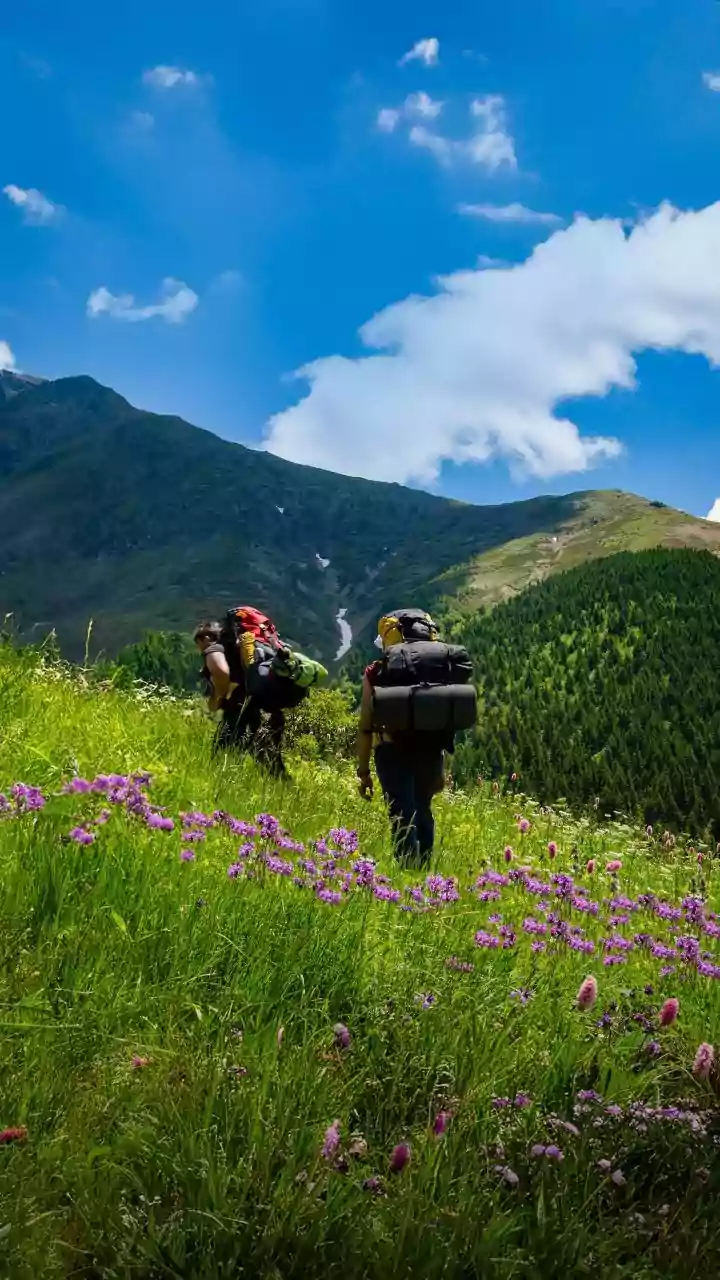
Proper preparation is the key to a successful trip to Mago. First, secure your Inner Line Permit (ILP) online well in advance, as it is mandatory for entering Arunachal Pradesh. Pack for all weather eventualities with warm layers, waterproof jackets, and sturdy footwear. Since Mago has no restaurants or shops, carry sufficient water, snacks, and ready-to-eat meals for the journey and your stay. Withdraw enough cash in Dirang or Tawang, as there are no ATMs in Mago. Mobile connectivity is almost non-existent, so inform your family of your itinerary and be prepared for a digital detox. Finally, a basic first-aid kit with medicines for altitude sickness, headaches, and stomach issues is a must-have.