






The Dark Side of the Boom
The global appetite for authentic, off-the-beaten-path travel has sent tourists flocking to emerging destinations. This boom brings economic opportunity but also significant risk. When tourism grows without control, the very things that attract visitors—pristine
nature and abundant wildlife—are the first to suffer. Unchecked tourism can lead to habitat degradation, pollution, and immense pressure on local resources. In the rush to meet tourist demand, some operators may prioritize profit over protection, leading to harmful and exploitative practices. This unregulated environment not only threatens ecosystems but also sets the stage for dangerous interactions between humans and wildlife.
When 'Up Close' Becomes Too Close
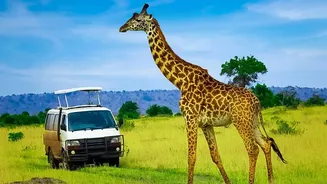
The desire for a perfect holiday photo can have devastating consequences for animals. Unregulated activities often encourage behaviours that are unnatural and harmful. Tourists feeding animals can alter their behaviour, make them dependent on humans, and even cause illness. Getting too close, whether in a safari vehicle or on foot, can cause immense stress, disrupt breeding, and separate parents from their young. Some popular attractions, such as riding elephants or posing with big cats, often involve animal cruelty behind the scenes, even if marketed as 'sanctuaries'. These interactions are not just unethical; they fundamentally damage the wildness that makes these creatures so captivating in the first place.
The Hidden Dangers for Travellers
It isn't just the animals who are at risk. A lack of clear rules puts tourists in physical danger. Wild animals that become too accustomed to humans can become aggressive, leading to injuries. Furthermore, activities in remote natural areas, from hiking to kayaking, come with inherent risks that are amplified without proper safety protocols, certified guides, and well-maintained equipment. Incidents like falls, drownings, or dangerous encounters with wildlife are more likely when operators are not held to professional standards. Clear regulations ensure that guides are trained, safety measures are in place, and visitors are educated about the real risks involved, making the entire experience safer for everyone.
A Blueprint for Responsible Tourism
So, what do good rules look like? They are not about ruining the fun; they are about preserving the experience. Effective regulations often include establishing minimum viewing distances to avoid stressing animals, strict 'no-feeding' and 'no-touching' policies, and limiting the number of vehicles or visitors at a sighting. They also involve certifying tour guides to ensure they are knowledgeable about both safety and conservation. By directing tourism revenue back into conservation projects and local communities, these rules create a powerful incentive to protect the natural environment. For example, in Rwanda, high-value permits for gorilla trekking help fund conservation efforts that have brought the mountain gorilla back from the brink of extinction.
A Win-Win for All
When properly managed, nature-based tourism is a powerful force for good. It provides sustainable livelihoods for local communities, reducing the need for more destructive economic activities like poaching or logging. This creates a virtuous cycle where communities have a direct economic stake in protecting their natural heritage. For travellers, the experience is enhanced. A well-regulated encounter, guided by an expert who respects the wildlife, is far more meaningful and awe-inspiring than a crowded, chaotic one. It offers a genuine connection to nature, built on respect rather than exploitation.