



Why the Monsoon Demands Extra Vigilance
The rainy season, while vital for agriculture, creates a perfect storm for vegetable spoilage. The combination of high humidity, reduced sunlight, and constant moisture provides an ideal breeding ground for fungi, bacteria, and pests. Fungal diseases
like soft rot, powdery mildew, and leaf spot thrive in these conditions. Pests such as aphids, whiteflies, slugs, and various borers multiply rapidly, often hiding in the crevices and undersides of plants. This means that vegetables that look perfectly fine on the surface can harbour hidden issues that lead to rapid decay once you bring them home. This is why a quick, superficial glance at the vegetable market is not enough during this season; a more thorough inspection is necessary for health and value.
The Stem and Base Tell a Story
The stem is often the first place to show signs of trouble. For cruciferous vegetables like cauliflower and broccoli, inspect the point where the florets connect to the main stalk. Look for any discolouration, brownish patches, or softness, which can indicate internal decay. Tiny holes in the stems of vegetables like brinjal (eggplant) or bhindi (okra) are a tell-tale sign of shoot and fruit borers, pests that tunnel inside and ruin the vegetable from within. With leafy greens, the base of the stems can become slimy or soft, indicating the onset of rot. A healthy stem should be firm, crisp, and uniform in colour. Any signs of stickiness, mould, or unusual weakness at the joints or base are red flags that the vegetable is already compromised.
Always Flip It Over: The Underside Never Lies
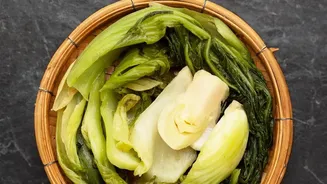
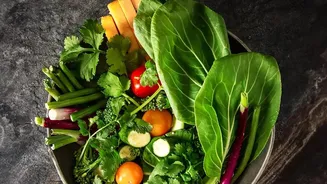
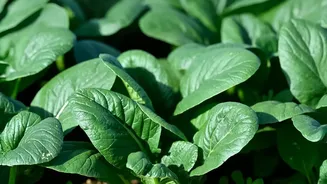
Pests and fungal spores are masters of hiding. Their favourite refuge is the underside of leaves and the bottom of larger vegetables that rest on damp soil. Before buying leafy greens like spinach (palak), fenugreek (methi), or cabbage, always turn the leaves over. Look for tiny white or black dots, which could be aphids or their eggs. Fine, silky webbing might indicate the presence of spider mites. For cabbages and lettuce, peel back the first couple of layers to check for worms or dirt trapped within. Gourds like lauki (bottle gourd) or turai (ridge gourd) can develop soft, rotting spots on the side that was in contact with wet ground. A thorough check of these hidden areas is one of the most effective ways to avoid bringing home unwanted pests and premature spoilage.
Your Monsoon Vegetable Checklist
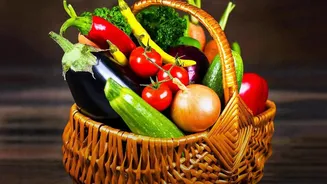
To make your shopping easier, here’s a quick guide for common vegetables: Leafy Greens (Palak, Amaranth): Avoid bunches with yellowing, wilted, or slimy leaves. Check the roots and stems for mushiness. Cruciferous (Cauliflower, Cabbage): Look for creamy white, tightly packed cauliflower florets without dark spots. Cabbage should feel heavy for its size with crisp outer leaves. Check the base for worms. Gourds (Lauki, Zucchini): The skin should be smooth, firm, and free of blemishes or soft patches. A healthy gourd feels firm and not hollow when tapped. Root Vegetables (Potatoes, Onions): While generally hardier, humidity can cause them to sprout or develop mould faster. Avoid any with green patches, soft spots, or visible mould. Store them in a dry, well-ventilated area away from other vegetables. * Tomatoes & Brinjals: Check for firm skin without wrinkles or black spots. The stem area should be clean and free from mould. Softness often indicates that it is overripe and will spoil quickly.
Proper Storage After Purchase
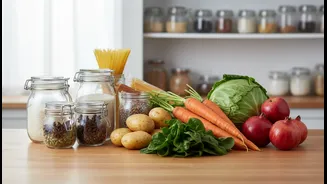
Your job isn’t done once you get the vegetables home. Proper storage is crucial in the humid monsoon climate. First, do not wash your vegetables until just before you plan to use them; excess moisture accelerates decay. If they are damp from the market, gently pat them dry with a paper towel. Store leafy greens wrapped in paper towels inside a perforated bag in the refrigerator to absorb extra moisture. Keep ethylene-producing fruits like apples and bananas separate from vegetables, as the gas they release can speed up spoilage in sensitive produce like leafy greens and cucumbers. Using airtight containers can also protect your produce from the high ambient humidity.