




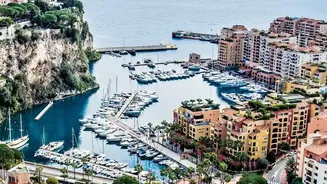
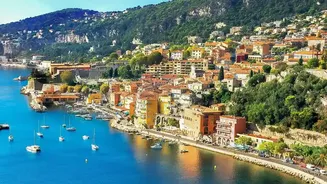
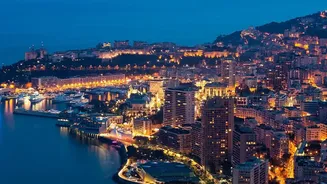
A 150-Year-Old Promise
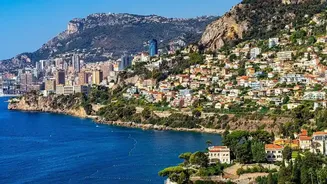
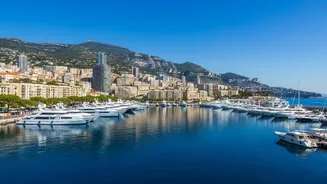
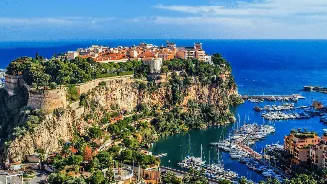
The policy of no personal income tax is not a modern gimmick but a foundational element of Monaco's identity, established by Prince Charles III in 1869. The decision was a strategic masterstroke. After losing 80% of its territory (and agricultural income)
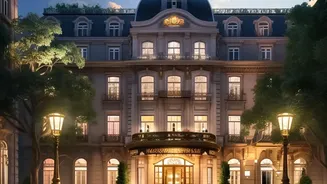
to France in 1848, the principality needed a new economic model. Prince Charles III pivoted, envisioning a hub for aristocratic tourism built around luxury hotels and the now-famous Monte Carlo Casino. By abolishing income tax, he created a powerful incentive to attract wealthy individuals from across Europe to live, spend, and invest in his small nation, ensuring its prosperity. This core principle remains intact today, making it a cornerstone of Monaco's appeal.
How the State Pays Its Bills
If residents don't pay income tax, how does the government fund public services? Monaco has a diversified revenue model. A significant portion, estimated to be around 50%, comes from Value Added Tax (VAT), which is aligned with the French system and stands at a standard rate of 20%. Another major source is a tax on corporate profits. This tax, currently 25%, applies only to businesses that generate more than 25% of their turnover outside Monaco. Revenue from state-owned enterprises, including the tourism and casino operator Société des Bains de Mer, real estate transaction duties, and stamp duties also contribute significantly. There are also inheritance taxes, though they are low and only apply to assets located within Monaco, with a 0% rate for direct descendants and spouses.
The Important Fine Print
The "no income tax" rule has one major exception: French citizens. Due to a 1963 bilateral treaty, French nationals who reside in Monaco are still subject to French income tax as if they lived in France. This was a measure to prevent French citizens from using the principality purely for tax avoidance. For all other nationalities, including Indians, the exemption on personal income, capital gains, and dividends holds true, provided they are genuine residents. It is crucial to understand that it is direct personal taxes that are absent. Besides VAT, residents still pay social security contributions, registration duties on leases (1%), and taxes on property transfers.
The Path to Paradise From India
For an Indian national dreaming of this tax-free life, the path involves proving significant financial standing. The first step is to apply for a long-stay visa from the French authorities. To secure a Monaco residency permit, an applicant must demonstrate they have a place to live, either by buying or renting a property. Second, they must prove they have sufficient financial resources to live in Monaco without needing to work. While there's no official figure, this is typically done by depositing a substantial sum—guidelines suggest a minimum of €500,000—into a Monaco bank account. Finally, applicants must have a clean criminal record. After submitting the documents, an official interview in Monaco is required before the one-year renewable residency card is issued.
The Real Cost of 'Tax-Free' Living
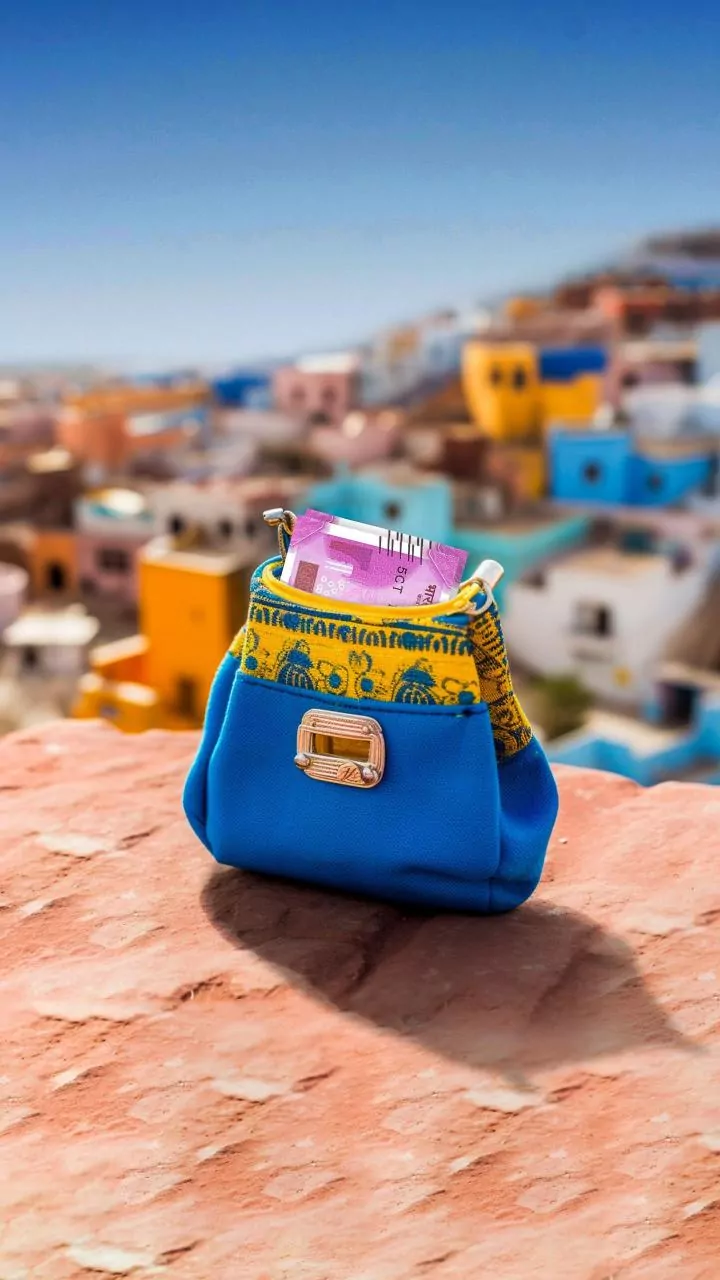
While the prospect of zero income tax is alluring, the reality is that Monaco is one of the most expensive places on Earth. The cost of living is dramatically higher than in India. For instance, average monthly rent for a one-bedroom apartment in the city centre can be over ₹7,50,000. Real estate prices are the highest in the world, with the price per square metre often exceeding €50,000. Everyday expenses, from dining out to groceries, are also exceptionally high. A meal at an inexpensive restaurant can cost over 10 times what it would in India, and even a simple bottle of water can be shockingly expensive. So, while residents save on taxes, they face an extraordinarily high cost of living that requires immense wealth to sustain.