







The Saturday Night Setup
For many, Saturday is a release valve. The work week is done, and it’s time to relax. This often involves staying up later, enjoying a few alcoholic drinks, and eating meals that are more celebratory than structured. While it feels great in the moment,
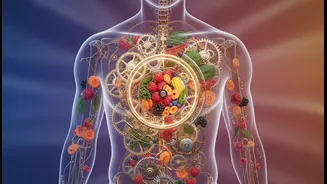
this combination of less sleep, alcohol, and different food choices creates a perfect storm for a hormonal upheaval that you’ll feel the next day. Think of your body as a finely tuned machine. On Saturday, you're changing the fuel type and fiddling with the maintenance schedule. On Sunday, you wake up to the consequences.
Alcohol's Hunger-Inducing Effects
That Saturday night wine or beer does more than just relax you. Alcohol can lower levels of leptin, the hormone that tells your brain you're full. Just a few drinks can be enough to significantly reduce this satiety signal. Alcohol metabolism also depletes your body's stored carbohydrates, known as glycogen. As your body works overnight to process the alcohol, it burns through these energy stores. When you wake up, your body sends out an urgent request for more fuel, leading to intense hunger and cravings, especially for carb-heavy foods to quickly replenish that lost glycogen.
The Sleep Debt Bill Comes Due
Staying up just a couple of hours later than usual on a Saturday night can throw your entire system off balance. This lack of sleep directly impacts your two key appetite-regulating hormones: ghrelin and leptin. Ghrelin is the “go” hormone that tells you you’re hungry, while leptin is the “stop” hormone that signals fullness. Studies have shown that even partial sleep deprivation causes ghrelin levels to rise and leptin levels to fall. This creates a powerful biological urge to eat more. Your brain, deprived of restorative sleep, also seeks quick energy, pushing you towards high-calorie, sugary, and starchy foods.
Are You Hungry or Just Thirsty?
Alcohol is a diuretic, meaning it makes you lose fluids. This, combined with simply not drinking enough water while you're out or before bed, can lead to dehydration. Here's the tricky part: the part of your brain that controls hunger and thirst, the hypothalamus, can sometimes get its signals crossed. When you're dehydrated, your brain might interpret the signal as hunger instead of thirst. This can cause you to reach for a big brunch when what your body really needs is a large glass of water. Dehydration also makes you crave salt, which explains why a greasy, salty breakfast can feel so appealing on a Sunday morning.
The Psychology of the Sunday Feast
Beyond the biology, there’s a powerful psychological component at play. Weekends often represent a break from the rigid structure and rules of the work week. If you've been eating 'clean' from Monday to Friday, you might view the weekend as a time to let go and indulge. This 'all-or-nothing' mindset can lead to what feels like a binge. Food becomes a reward for a stressful week, and social gatherings like brunch or family dinners often involve larger portions and richer foods, normalizing a higher calorie intake. This pattern is less about a lack of willpower and more about a behavioural response to a week of restriction and a desire to relax.