




The Ancient Grain Making a Comeback
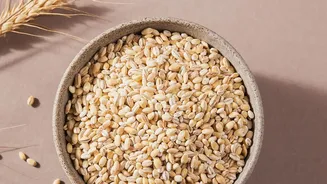
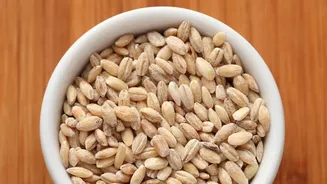
Barley is a cereal grain with a pleasantly chewy texture and a mild, nutty flavor that has been cultivated for over 10,000 years. While it is often associated with soups, stews, and beer production, its potential as a breakfast staple is now being recognized.
Packed with essential vitamins, minerals, and antioxidants, whole-grain barley is a nutritional powerhouse. Unlike pearled barley, where the bran has been removed, hulled barley is considered a whole grain, offering a higher fiber content that is key to its health benefits. This distinction is important, as the fiber is where much of barley's power lies.
The Science of Steady Energy
The significance of barley, particularly for blood sugar management, lies in its unique type of soluble fiber called beta-glucan. This fiber forms a gel-like substance in the digestive tract, which slows down the absorption of carbohydrates and sugar. This process helps prevent the rapid spikes and subsequent crashes in blood sugar that can follow a meal. In fact, barley has one of the lowest glycemic index (GI) scores of all grains, with some sources citing a GI of around 28. This makes it an excellent choice for individuals looking to maintain steady energy levels throughout the morning and for those managing conditions like pre-diabetes or type 2 diabetes.
Why This Is a Significant Development
With millions of people managing diabetes or pre-diabetes, the need for simple, effective dietary strategies has never been greater. The examination of barley represents a shift towards food-based solutions that are accessible and sustainable. Studies have consistently shown that the beta-glucan in barley can effectively lower the post-meal glucose and insulin response. Some research has even found barley to be more effective than oats in reducing blood sugar levels after a meal. One study noted that consuming barley could improve metabolism and insulin sensitivity for up to 14 hours, demonstrating a lasting effect that goes beyond a single meal. This makes it a powerful tool not just for immediate blood sugar control but for long-term metabolic health.
Barley vs. Oats: The Breakfast Battle
Oats have long been the reigning champion of healthy breakfast grains, also prized for their beta-glucan content. So, how does barley compare? While both are excellent choices, barley often contains more dietary fiber overall. Studies comparing the two have found that while both can lower blood sugar responses, barley often produces a significantly lower spike in glucose and insulin. From a culinary perspective, barley offers a different experience; it's chewier and has a heartier, nuttier taste, providing a satisfying alternative for those looking to diversify their morning routine.
How to Build a Better Breakfast Bowl
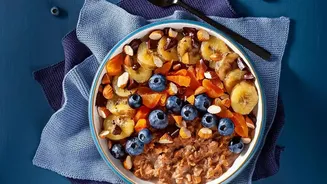
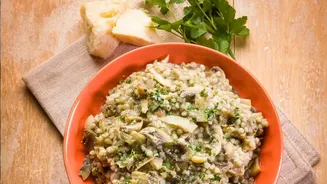
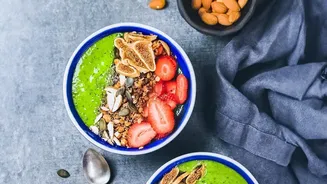
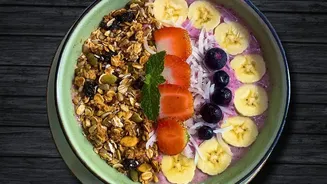
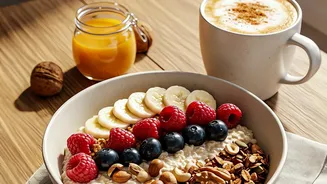
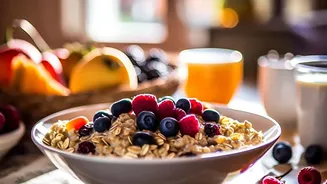
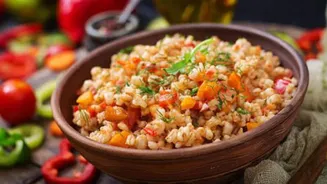
Making a barley breakfast bowl is simple. Start by cooking hulled or pearled barley according to package directions; you can even cook a large batch ahead of time for quick weekday breakfasts. For a basic sweet bowl, combine cooked barley with milk (or a non-dairy alternative), a sprinkle of cinnamon, and your choice of fruit like berries or chopped apples. For a savory option, top warm barley with a poached egg, sliced avocado, and some wilted greens. The chewy texture of the barley provides a satisfying base for a wide variety of toppings, from nuts and seeds to yogurt and herbs.