
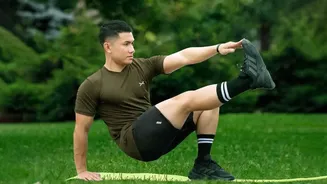

From Playtime to Prime Time
Calisthenics, at its core, is a form of strength training that uses your own body weight for resistance. The term comes from the Greek words for 'beauty' and 'strength'. While it includes foundational exercises like push-ups and squats, taking this practice
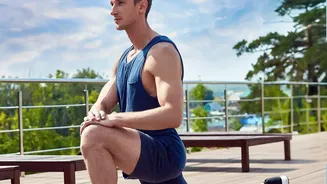
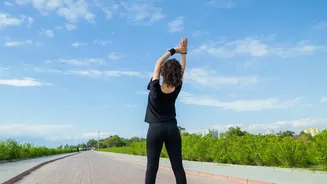
to a playground unlocks a new level of potential. The bars, benches, and open spaces of a park are not just for children; they are a perfect, no-cost gym. Exercising outdoors also provides proven mental health benefits, such as increased energy and reduced tension, thanks to fresh air and sunlight. This approach turns fitness from a chore into a form of play, making it a sustainable habit for many.
Dynamic Strength Explained
The headline mentions 'dynamic' strength, which is key to understanding the benefits. Unlike static exercises that isolate one muscle (like a bicep curl), dynamic calisthenics involves moving the body through a full range of motion. Think of the fluid motion of pulling your body up over a bar or dipping between two rails. These compound movements force multiple muscle groups and joints to work together in harmony. This not only builds muscle but also improves coordination, balance, and mobility—skills that are directly applicable to everyday activities, a concept known as functional strength.
A True Full-Body Workout
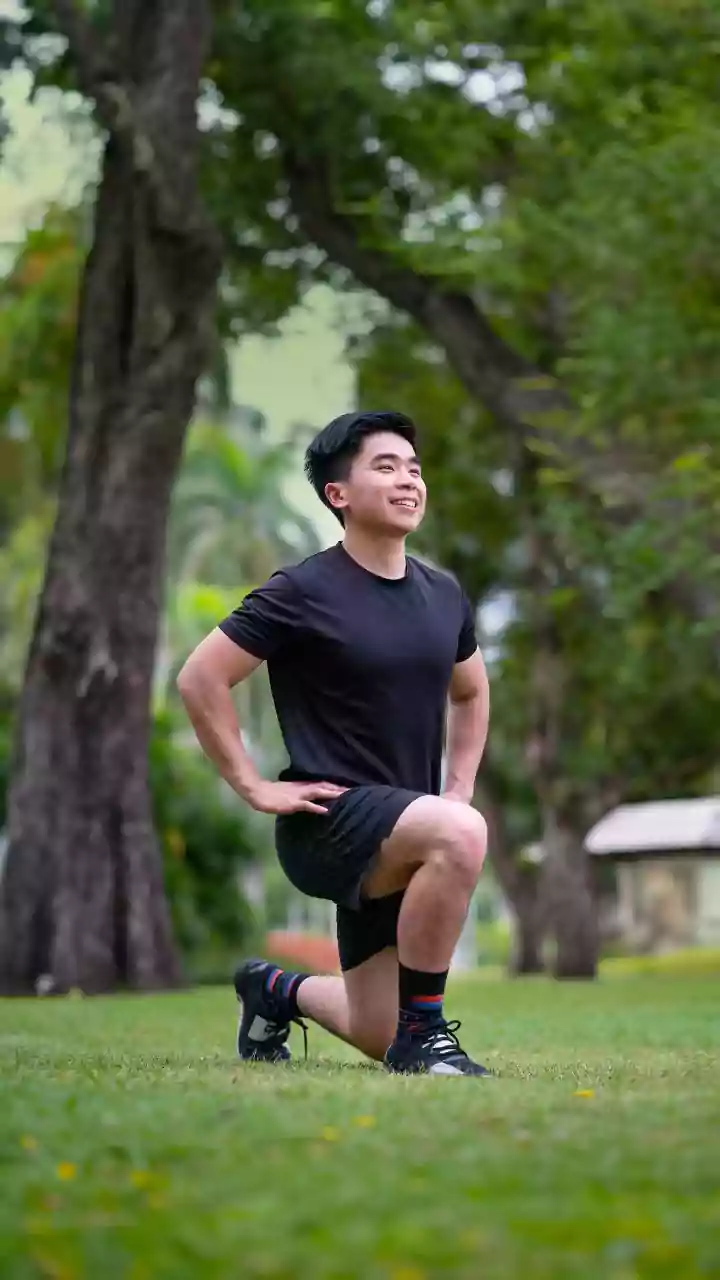
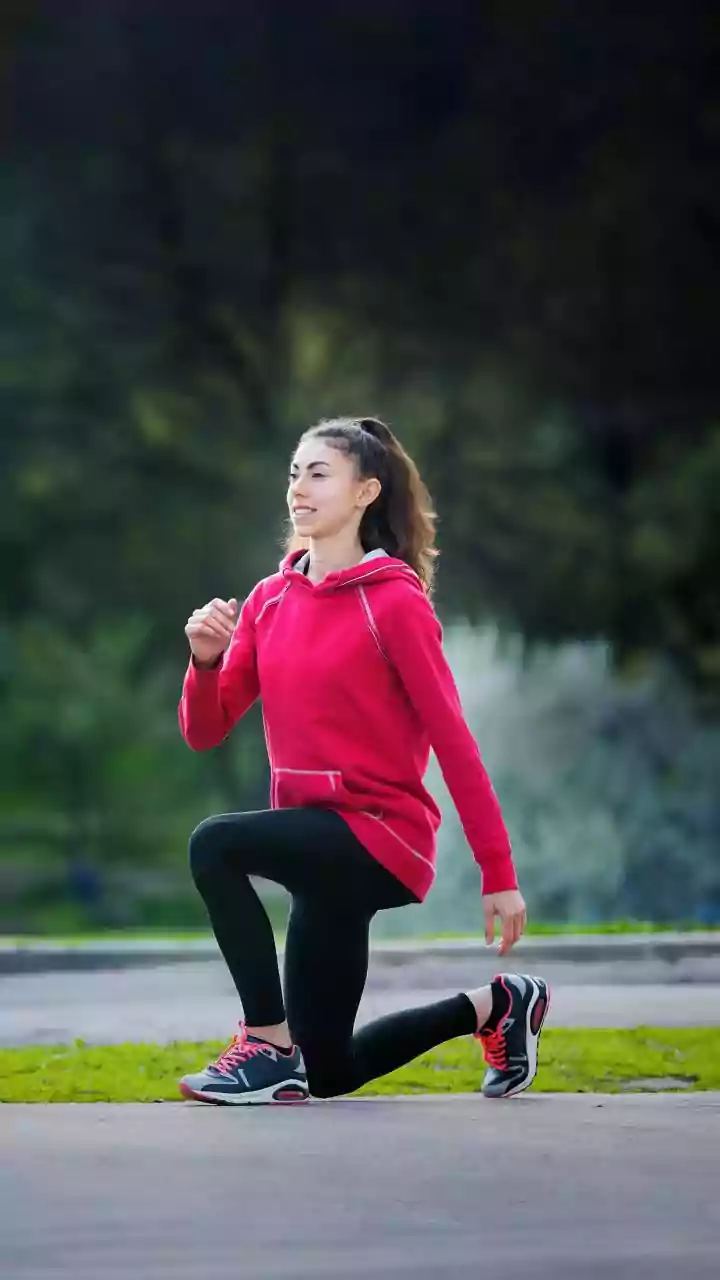
One of the most efficient aspects of playground calisthenics is its ability to deliver a comprehensive, full-body workout. A few key movements are all it takes to engage nearly every muscle. Pull-ups and their variations build strength in the back, biceps, and shoulders. Dips target the chest, triceps, and front of the shoulders. Leg exercises like squats, lunges, and pistol squats (for the more advanced) build powerful lower bodies. And crucially, almost every calisthenics movement heavily engages the core muscles to maintain stability and control, providing a constant abdominal workout without a single crunch.
Getting Started: Your First Park Workout
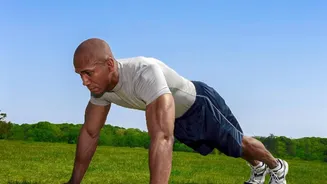
Starting is simpler than you think. You don't need to be able to do a single pull-up. Progression is the name of the game. Begin with exercises that match your current strength level and focus on proper form. A great beginner routine could include: Incline Push-Ups: Find a bench or a low rail. Place your hands on it and perform push-ups. The higher the surface, the easier the exercise. This builds the foundation for flat push-ups. Bodyweight Rows (Australian Pull-ups): Find a low bar, around waist height. Hang underneath it with your body straight and heels on the ground. Pull your chest towards the bar. This is an excellent precursor to the full pull-up. Bench Dips: Sit on the edge of a sturdy bench, place your hands beside your hips, and move your feet forward. Lower your body by bending your elbows, then push back up. Knee Raises: Hang from a high bar and simply raise your knees towards your chest. This is a fantastic core exercise that builds grip strength for future pull-ups.
Progressing Without Weights
A common question is how to get stronger without adding weight. In calisthenics, you progress by increasing the difficulty of the exercise itself. This is done by changing your body's leverage. For instance, you move from incline push-ups to flat push-ups, and eventually to decline push-ups. For pull-ups, you might start with rows, move to negative pull-ups (lowering yourself slowly), and then finally achieve the full movement. Every exercise has a more challenging variation, ensuring you can continue to build strength indefinitely without ever needing to buy a dumbbell.