



The Daily Grind: A City on Wheels
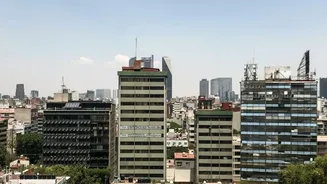
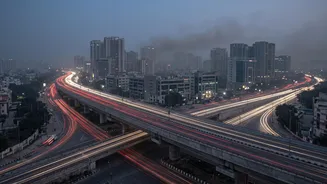
Long before the first farm fire is lit, Delhi's baseline pollution is already dangerously high, and the primary local contributor is vehicular emissions. According to analysis from the Centre for Science and Environment (CSE), transport emissions consistently
account for over half of Delhi's local PM2.5 pollution. This includes a vast fleet of private cars, two-wheelers, and a constant stream of commercial trucks. These emissions, primarily carbon monoxide, nitrogen oxides, and particulate matter, are pumped into the air daily, creating a persistent layer of pollution that gets trapped during autumn and winter. While stubble burning is seasonal, the pollution from our daily commute is a 365-day problem that sets the stage for the severe pollution to come.
The Ever-Present Problem of Dust
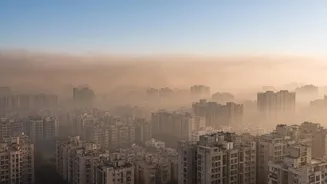
Another major, often underestimated, source of pollution is dust. This isn't just natural dust; it's a potent mix of road dust and particles from relentless construction and demolition activities. Recent reports have flagged road dust as a primary pollutant, with PM10—coarser particles associated with dust—being a dominant factor in the early days of October's air quality deterioration. The Commission for Air Quality Management (CAQM) frequently finds violations related to uncovered construction materials and road dust accumulation. Every passing vehicle resuspends these particles, keeping them airborne and contributing significantly to the choking haze that defines the city's air.
Industrial Belt and Burning Waste
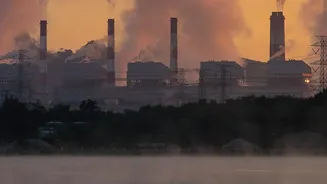
Surrounding Delhi is a large industrial belt, and its emissions contribute to the regional pollution load. These sources, including power plants and various manufacturing units, release pollutants that add to the mix. Alongside industrial sources, the illegal burning of garbage is another significant contributor. This uncontrolled combustion releases a toxic cocktail of chemicals and particulate matter directly into the lower atmosphere. While less discussed than farm fires or vehicle exhaust, emissions from industries and waste burning are a steady, year-round source that exacerbates the seasonal crisis.
The Weather's Perfect Storm
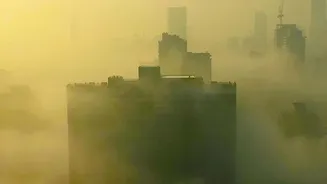
October's weather is the critical factor that turns a bad situation into a crisis. As the monsoon withdraws, winds become weaker and change direction, often blowing from the northwest where stubble burning occurs. Simultaneously, temperatures begin to drop. This creates a phenomenon known as temperature inversion, where a layer of cool air gets trapped under a layer of warmer air, acting like a lid over the city. This 'trapping' effect prevents pollutants from all sources—vehicles, dust, industry, and farm fires—from dispersing, causing them to accumulate at ground level. Without this meteorological trap, the impact of each pollution source would be far less severe.
The Role of Stubble Burning
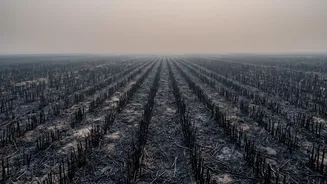
This is not to say that stubble burning is blameless. During its peak, the smoke from farm fires in Punjab and Haryana can drastically spike Delhi's AQI, sometimes contributing a significant percentage of the PM2.5 load on the worst days. The issue is one of proportion and focus. On some days in October, stubble fires can be the primary driver of pollution, but on many other days, especially at the beginning of the month, local sources are the dominant problem. Attributing the entire crisis to farm fires creates a misleading narrative that allows for inaction on the year-round pollution created within the NCR itself.