


Reimagining a Breakfast Staple
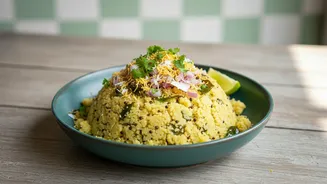
Upma, a thick porridge made from dry-roasted semolina (rava or suji), is a breakfast classic originating from South India that has found a home across the country. While beloved for its simplicity and speed, home-style upma can sometimes suffer from a reputation
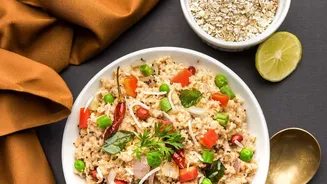
for being bland, mushy, or sticky. However, the street-style version tells a different story. It’s a dish celebrated for its distinct grains, rich flavour, and fragrant aroma—a hearty meal designed to be enjoyed hot and fresh from the vendor’s cart. This isn't just a simple porridge; it's a carefully constructed dish where every ingredient plays a crucial role in building texture and taste, transforming it from a mere convenience food into a culinary experience.
The Secrets to Fluffy, Non-Sticky Upma
The single most common complaint about upma is a clumpy, sticky texture. Fortunately, avoiding this is simple and comes down to two golden rules. First, always roast the rava. Dry roasting the semolina in a pan over medium heat until it is fragrant and lightly golden is the most critical step. This process prevents the grains from becoming gluey when they absorb water. Second is the water-to-rava ratio. For a fluffy, firm texture, a ratio of 1 cup of rava to 2 or 2.5 cups of water is standard. For a softer finish, you can go up to 3 cups. Always bring the water to a rolling boil before you add the rava. Pour the roasted rava into the boiling water in a slow, steady stream while stirring continuously. This technique prevents lumps from forming and ensures each grain cooks evenly.
Building Flavour from the Base
A great upma begins with a great tempering, or tadka. This is where the foundational layers of flavour are built. Start by heating oil or ghee in a pan. Ghee adds a distinctive richness, but oil works perfectly well. Once hot, add mustard seeds and wait for them to pop and crackle. This releases their pungent flavour. Many recipes then call for lentils like chana dal and urad dal, which are fried until golden to add a nutty crunch. Next, aromatics are introduced. Finely chopped ginger, green chillies, and a sprig of fresh curry leaves are sautéed for a minute to infuse the oil with their fragrance. Finally, finely chopped onions are added and cooked until soft and translucent, providing a sweet, savoury backbone to the dish before the vegetables, like carrots and peas, are added.
The Final, Zesty Flourish
Once the rava has absorbed all the water and the upma is cooked through, the final step is what truly elevates it to street-style perfection. This is where the fresh coriander and lemon come in. After turning off the heat, let the upma rest, covered, for a few minutes to allow it to steam and become even fluffier. Just before serving, sprinkle a generous amount of freshly chopped coriander leaves and squeeze the juice of half a lemon over the top. This is not merely a garnish. The lemon juice adds a crucial note of brightness and acidity that cuts through the richness of the semolina and ghee, making the entire dish taste lighter and more vibrant. The fresh coriander adds a clean, herbal aroma that complements the spices and rounds out the flavour profile, delivering that signature refreshing finish that makes street-style upma so memorable.