




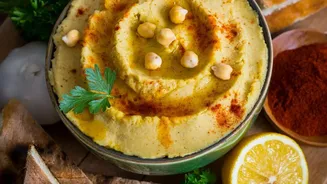


What Exactly Is Toum?
Toum, which simply means “garlic” in Arabic, is a powerful and versatile sauce with deep roots in the Levant region, particularly Lebanon. At its heart, it’s an emulsion made from just four simple ingredients: fresh garlic, a neutral-flavoured oil, lemon
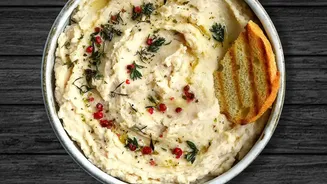
juice, and salt. Unlike aioli, which often relies on egg yolks to create a creamy texture, traditional Toum is completely vegan and gets its structure purely from the emulsifying properties of garlic itself. The result is a condiment with a bold, unapologetic garlic punch, balanced by the bright tang of lemon juice. It has a thick, spreadable consistency, almost like a thick mayonnaise, but with an airy, whipped quality that makes it unique.
The Science of Fluffy Garlic
The transformation from a few garlic cloves into a voluminous, fluffy whip lies in the process of emulsification. An emulsion is a mixture of two liquids that don't normally combine, like oil and water (or in this case, oil and lemon juice). When garlic is crushed or processed, it releases compounds like allicin and natural lecithins. These act as powerful emulsifiers, grabbing onto both the oil and the water-based lemon juice, allowing them to bind together. The key to success is adding the oil incredibly slowly, almost drop by drop at first. This breaks the oil into microscopic droplets that get suspended within the garlic and lemon juice mixture. As you continue to slowly stream in the oil while a food processor is running, this suspension builds, creating the thick, stable, and airy structure that defines Toum. Rushing this step is the most common reason for failure.
Tips for Perfect, Fail-Proof Toum
Making Toum can feel intimidating, but a few key details make all the difference. First, use the freshest garlic you can find—firm heads, not cloves that are soft or sprouting. Some cooks recommend removing the small green germ from the center of each clove, as it can sometimes impart a bitter flavour. Use a neutral oil like canola, sunflower, or grapeseed oil; a strong-flavoured olive oil can overpower the garlic and turn the sauce bitter. Perhaps most importantly, go slow. It should take several minutes to stream the oil into the food processor. Some recipes also suggest keeping your ingredients cold to help the emulsion form and stabilize. If the mixture seems to be getting warm, drizzling in a tablespoon of ice water can help it thicken.
How to Rescue a Broken Sauce
Even experienced cooks sometimes end up with a “broken” Toum—a sad, oily, and separated liquid instead of a fluffy whip. This happens when the emulsion fails to form, usually because the oil was added too quickly. But don't throw it out! The easiest way to fix a broken Toum is to take a small amount of the broken mixture (or start fresh with a new garlic clove) in a clean food processor, turn it on, and then begin drizzling the rest of your broken sauce back in, just as slowly as you would have added the oil initially. Other methods suggest adding a stabilizer like a single egg white or a few tablespoons of aquafaba (the liquid from a can of chickpeas) to help bring the emulsion back together. If all else fails, the broken sauce is still a delicious garlic-infused oil that can be used in marinades or for cooking.
How to Use This Versatile Sauce
Toum is traditionally served with grilled meats like shawarma, shish tawook, and other kebabs, where its sharp flavour cuts through the richness of the meat. But its uses are nearly endless. Use it as a powerful spread on sandwiches and wraps, especially with falafel. Serve it as a dip for french fries, roasted vegetables, or fresh pita bread. You can also thin it out with a bit more lemon juice or water to create a potent salad dressing. Stir a spoonful into pasta sauces, soups, or even mashed potatoes for an instant flavour boost. Letting it rest in the fridge for a day or two can help mellow the initial sharp bite of the raw garlic, resulting in a smoother, more integrated flavour.