




The Serving Size Illusion
One of the most common mistakes people make when reading nutrition labels is ignoring the serving size. Many assume that the calories, sugar, and fat listed are for the entire package or for a standard amount, but that’s rarely the case. A serving size is not
a dietary recommendation; it's a measurement set by the manufacturer, based on what the authorities define as an amount people typically consume. However, these serving sizes can be manipulated. A company might use a very small serving size, like 30 grams, to make the numbers for sugar and calories seem appealingly low. Another cereal right next to it might list a 50-gram serving. A quick glance at the 'per serving' column would give you a completely skewed comparison.
A Tale of Two Cereals
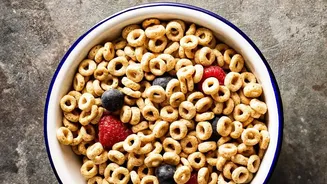
Let’s imagine two boxes. Cereal A is a 'healthy' bran flake mix. Its label lists a 30g serving containing 7g of sugar. Cereal B is a colourful, kid-friendly option. Its label shows a 50g serving with 10g of sugar. At first glance, Cereal A seems to be the lower-sugar choice. You might feel good about picking the bran flakes. But this is where the maths becomes critical. You are not comparing like with like. One serving is significantly smaller than the other. This isn't an accident; it's a marketing tactic that leverages the fact that most shoppers are in a hurry and won't stop to do calculations. The real story is hidden until you standardize the comparison.
The Power of the 100-Gram Trick
To get a true, objective comparison between any two food products, you must compare them using the same unit of measurement. The gold standard for this is to compare them 'per 100g'. Many countries, including India, require manufacturers to provide nutritional information per 100g or 100ml on the label, which makes this much easier. This method removes the confusion of arbitrary serving sizes and lets you see the nutritional content in a standardized way. When every product is judged on its contents per 100 grams, the healthier option often becomes surprisingly clear. It is the single most effective tool a consumer has for making an informed choice.
How to Do the Math (It’s Easy)
If the 'per 100g' column isn't provided, you can calculate it yourself with some simple maths. Find the serving size in grams on the label. Then, for any nutrient you want to compare (like sugar), use this formula: (Amount of nutrient per serving / Serving size in grams) x 100. Let's revisit our two cereals. For Cereal A (the bran flakes): (7g sugar / 30g serving) x 100 = 23.3g of sugar per 100g. For Cereal B (the kids' cereal): (10g sugar / 50g serving) x 100 = 20g of sugar per 100g. Suddenly, the picture has flipped. The 'healthy' bran cereal is actually higher in sugar than the colourful kids' cereal once you compare them on a level playing field.
Beyond the Cereal Aisle
This principle doesn't just apply to breakfast cereals. It’s essential for comparing almost any packaged food, from biscuits and crisps to yogurts, sauces, and ready meals. A bag of crisps might seem low in calories per serving, but the serving size might be just ten crisps. A pot of yogurt could have a serving size that is only half the container. By getting into the habit of checking the serving size and, more importantly, looking for the 'per 100g' information, you empower yourself to see past the marketing claims on the front of the box. It allows you to make decisions based on facts, not on clever packaging, and take genuine control over what you and your family are eating.