






The daily commute along the congested highways connecting Delhi to Haryana's industrial towns may soon be a thing of the past. A high-speed rail corridor promises to slash travel times, redefining connectivity and unlocking new possibilities.
A New Era of Regional Travel
The Delhi-Panipat-Karnal
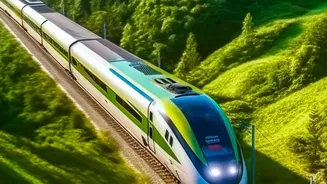
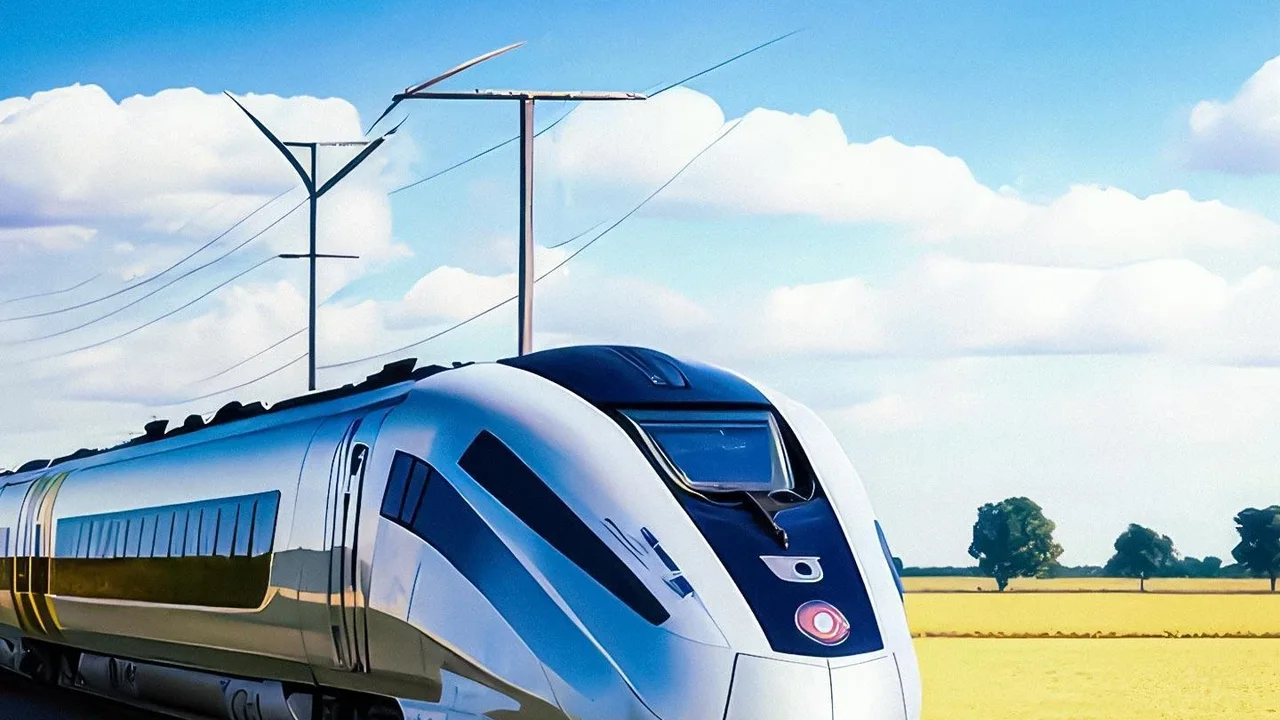
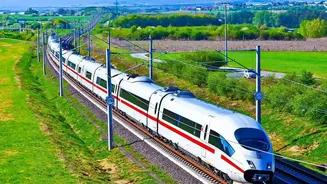
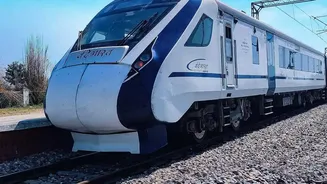
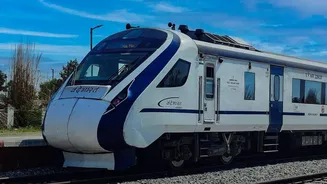
Namo Bharat is a proposed Regional Rapid Transit System (RRTS) corridor designed to connect the national capital with key cities in Haryana. Unlike a metro, which serves travel within a city, the RRTS is built for speed over longer distances. With a design speed of 180 km/h and an operational speed of 160 km/h, these trains are set to be a game-changer for regional mobility. The goal is to connect urban centres, reduce reliance on private vehicles, and foster balanced regional development. This project is one of three priority corridors planned in the first phase by the National Capital Region Transport Corporation (NCRTC), the body responsible for implementation.
Project Status and Timeline
The project has gained significant momentum. The Haryana government approved the corridor in March 2026, and it has since received crucial clearances from the National Highways Authority of India (NHAI) for land use along NH-44. This allows for pier construction and station development. While the project awaits final sanction from the Union Cabinet, preliminary work has already started on a 22-km stretch between Narela and Murthal. The entire 136.3-km corridor, estimated to cost around ₹33,051 crore, is targeted for completion by 2030, promising a new lifeline for the region.
Mapping the High-Speed Journey
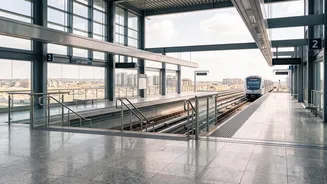
The proposed route will run from Sarai Kale Khan in Delhi and extend to Karnal, passing through major hubs like Sonipat and Panipat. Plans include a total of 22 stations, with six in Delhi, including key interchange points like Sarai Kale Khan and Kashmere Gate. Sarai Kale Khan is being developed as a massive transport hub, connecting all three Phase-1 RRTS corridors, the metro, Indian Railways, and the ISBT. Most stations along the corridor will be elevated, running parallel to the highway, providing easy access and minimal disruption to existing infrastructure.
Slashing Commute Times Drastically
For the lakhs of daily commuters, the most significant impact will be the reduction in travel time. The journey from Delhi to Panipat, which currently takes over two hours by road, is expected to be cut down to just one hour. Similarly, the trip to Karnal could be reduced from nearly four hours to about 90 minutes. With trains expected to run every 5 to 10 minutes, the Namo Bharat will offer a reliable and comfortable alternative to the unpredictable traffic on one of the nation's busiest highways.
The Dawn of New Housing Hubs
This massive infrastructure upgrade is poised to reshape the real estate landscape of North Haryana. With drastically improved connectivity, towns like Sonipat, Gannaur, Samalkha, and Panipat are becoming attractive alternatives for homebuyers priced out of the Delhi and Gurugram markets. Developers anticipate a surge in demand for residential and commercial properties, particularly around the proposed stations. The government's Transit-Oriented Development policy is expected to further encourage planned urban growth, leading to the creation of integrated townships with modern amenities. This could trigger a wave of development, transforming these towns into vibrant, self-sufficient satellite cities.
The Road Ahead
While the project holds immense promise, its successful and timely completion depends on seamless coordination and funding. The final approval from the central government remains a key milestone. Land acquisition and utility shifting are complex processes that require careful management to stay on schedule. However, the progress made so far indicates a strong will to push the project forward. The Delhi-Panipat-Karnal corridor is more than just a transport project; it's a critical step towards creating a more integrated and economically vibrant National Capital Region, where distance is no longer a barrier to opportunity and growth.