

What is the Ring of Fire?
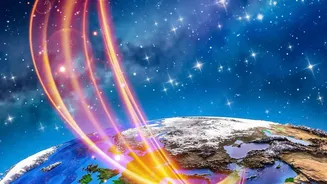
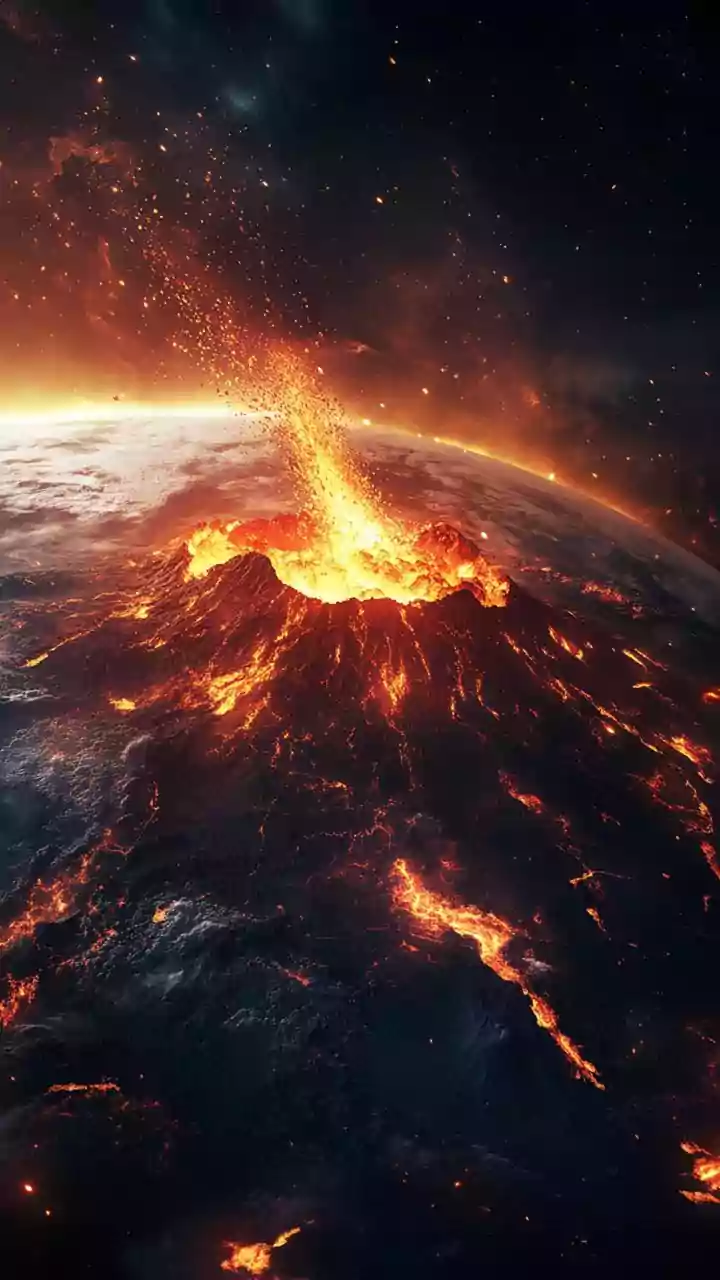
Imagine a massive, 40,000-kilometre horseshoe-shaped belt around the Pacific Ocean. This is the Ring of Fire, and it's not a quiet neighbourhood. It's home to more than 450 volcanoes and is responsible for about 90% of the world's earthquakes. This intense
activity isn't random; it's the result of plate tectonics. The Earth's crust is broken into massive slabs, or plates, that are constantly moving. Along the Ring of Fire, heavier oceanic plates are sliding under lighter continental plates in a process called subduction. As a plate sinks, it melts, creating magma that rises to the surface as volcanoes and building up immense stress that is released as earthquakes.
Japan's Precarious Position
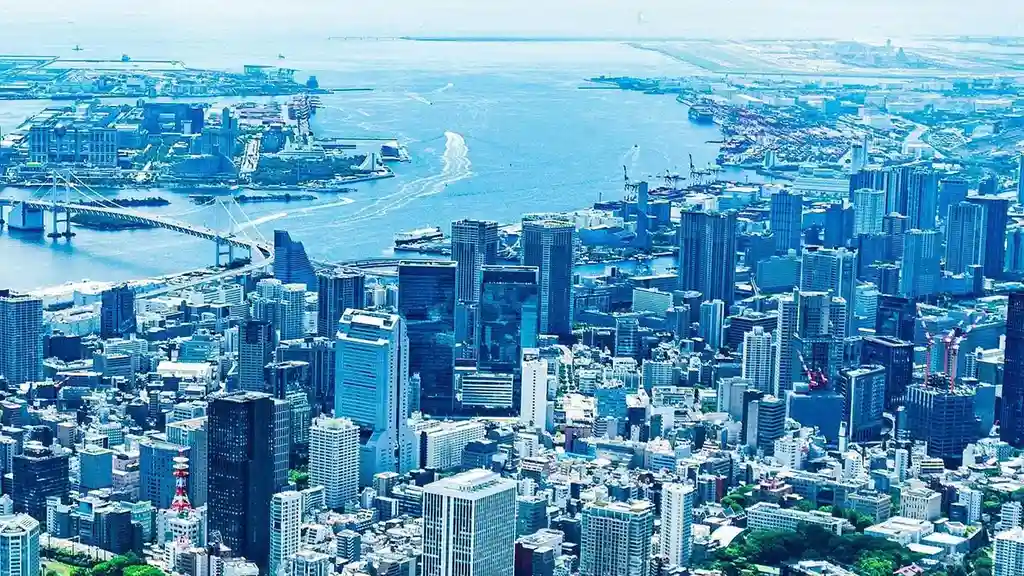
Japan sits at one of the most complex and volatile intersections on the planet. It's wedged at the meeting point of four major tectonic plates: the Pacific, North American, Eurasian, and Philippine Sea plates. The Pacific plate pushes westward under northern Japan, while the Philippine Sea plate grinds underneath the south. This constant, slow-motion collision, happening at a rate of several centimetres per year, makes the Japanese archipelago one of the most geologically active areas in the world. This relentless pressure ensures that the ground beneath Japan is never truly still.
A Land of a Thousand Tremors
The consequence of this tectonic squeeze is a staggering number of earthquakes. Japan experiences around 1,500 perceptible earthquakes annually. While most are minor tremors that go unnoticed by many, the potential for major, destructive quakes is a constant reality. This seismic activity is not just offshore; because Japan is located directly on top of these plate boundaries, major cities can experience powerful quakes originating almost directly beneath them. Over decades, Japan has become a world leader in earthquake preparedness, with strict building codes and sophisticated early warning systems designed to mitigate the impact of these inevitable events.
Fire From Below
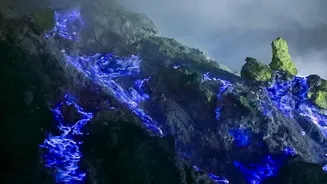
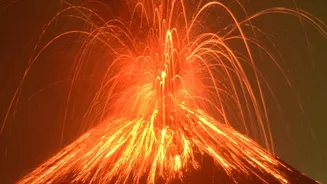
The same process that causes the ground to shake also fuels Japan's fiery mountains. The country is home to 111 active volcanoes, representing about 10% of the world's total. These volcanoes, from the iconic Mount Fuji to the frequently erupting Sakurajima, have shaped the nation's landscape. While they pose a significant hazard, they also create fertile soil and dramatic scenery that is central to Japan's identity. The Japan Meteorological Agency closely monitors dozens of these volcanoes that are considered particularly high-risk, ready to issue warnings at any sign of unrest.
The Double-Edged Sword
Living on the Ring of Fire is a profound duality. The immense danger of earthquakes and volcanic eruptions is balanced by a unique gift: geothermal energy. This subterranean heat has blessed Japan with thousands of natural hot springs, known as onsen. Far more than just hot water, onsen are a cornerstone of Japanese culture—places for relaxation, healing, and social connection that have been used for over a thousand years. These mineral-rich waters, heated by the same magma that feeds the volcanoes, are seen as having therapeutic benefits. In this way, the very geology that threatens Japan also provides a source of national comfort and cultural identity.