



The Science Behind the Lean
The reason your plant bends toward the window is a natural survival instinct called phototropism. Plants need light to perform photosynthesis, the process of creating energy to live and grow. To maximize this process, they have an ingenious mechanism.
A plant hormone called auxin drives cell growth. When light hits a plant from one side, auxin concentrates on the shaded side of the stem. This concentration causes the cells on the darker side to elongate more rapidly than the cells on the lit side, causing the stem to physically bend and reach for the light. This ensures the leaves, which act like tiny solar panels, get as much light exposure as possible. It’s a brilliant strategy for survival, but in the static environment of our homes, it leads to a distinctly slanted look.
Signs of One-Sided Lighting
The most obvious sign of a light imbalance is a visible lean, where the entire plant seems to be reaching for the window. But there are other, more subtle clues. You might notice that the leaves on the side facing the light source are larger, healthier, and more numerous, while the leaves on the shaded side are smaller and more sparse. Another key indicator is 'legginess', where the stems become long and stretched out, with wide gaps between the leaves. This happens as the plant puts its energy into reaching for a distant light source rather than producing lush, compact foliage. In variegated plants, you might see the colorful patterns reverting to solid green on new leaves—a sign the plant is trying to create more chlorophyll to compensate for low light.
The Simple Fix: Strategic Rotation
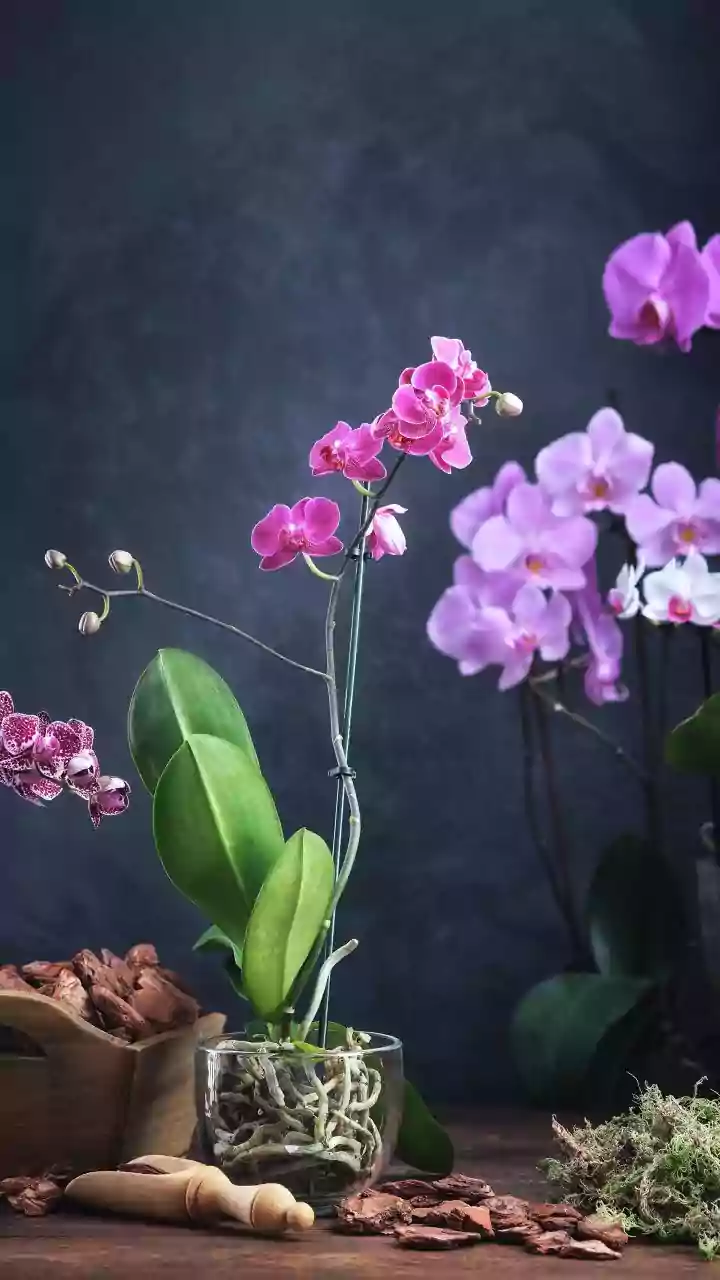
The easiest and most effective way to combat lopsided growth is to rotate your plant regularly. By turning it periodically, you ensure that all sides receive equal light exposure over time, encouraging balanced, upright growth. A common and easy-to-remember method is to give the pot a quarter turn once every week or two. Linking this task to your watering schedule can be a helpful habit; every time you water, give the plant a turn. For plants with a severe lean, you can turn them 180 degrees to face the darker side toward the window. The plant will then work to correct its posture, although this may take several weeks or months. Be aware that some flowering plants, like orchids, shouldn't be rotated once they have set buds, as the change in orientation can cause the buds to drop.
When Rotation Isn't Enough
Sometimes, rotation alone can't solve the problem. If a plant is tucked into a dark corner or is in a room with very limited natural light, all sides of the plant may be struggling. In these cases, no amount of turning will provide the energy it needs. If you've tried rotating your plant and it still looks leggy or fails to grow, it's time to assess its location. It may need to be moved to a room with a brighter window. For large plants that are difficult to move, or for spaces that simply lack adequate sun, supplemental lighting can be a game-changer. Even plants under a single grow light might need rotation if the light source is positioned to one side, mimicking the effect of a window.
Mastering Your Light Environment
To truly set your plants up for success, consider creating a more balanced light environment from the start. This can involve more than just chasing the sun. For very low-light situations, investing in a full-spectrum LED grow light can provide the necessary light for photosynthesis, encouraging strong, even growth without relying on a window. These lights are energy-efficient and designed to provide consistent coverage, preventing the hotspots and uneven growth that can occur with regular household bulbs. For a low-tech solution, you can strategically place a mirror to bounce light into a darker corner, effectively illuminating the shaded side of a plant. Pruning can also help; trimming back the longer, overgrown side can encourage the plant to push out new, fuller growth on the sparser side, helping to restore its symmetrical shape.