






The Numbers Behind the Narrative
For years, the prevailing wisdom was that streaming would sound the death knell for cinemas, with Gen Z—the most digitally fluent demographic—leading the charge away from theatres. The reality, however, is proving to be quite different. Recent studies
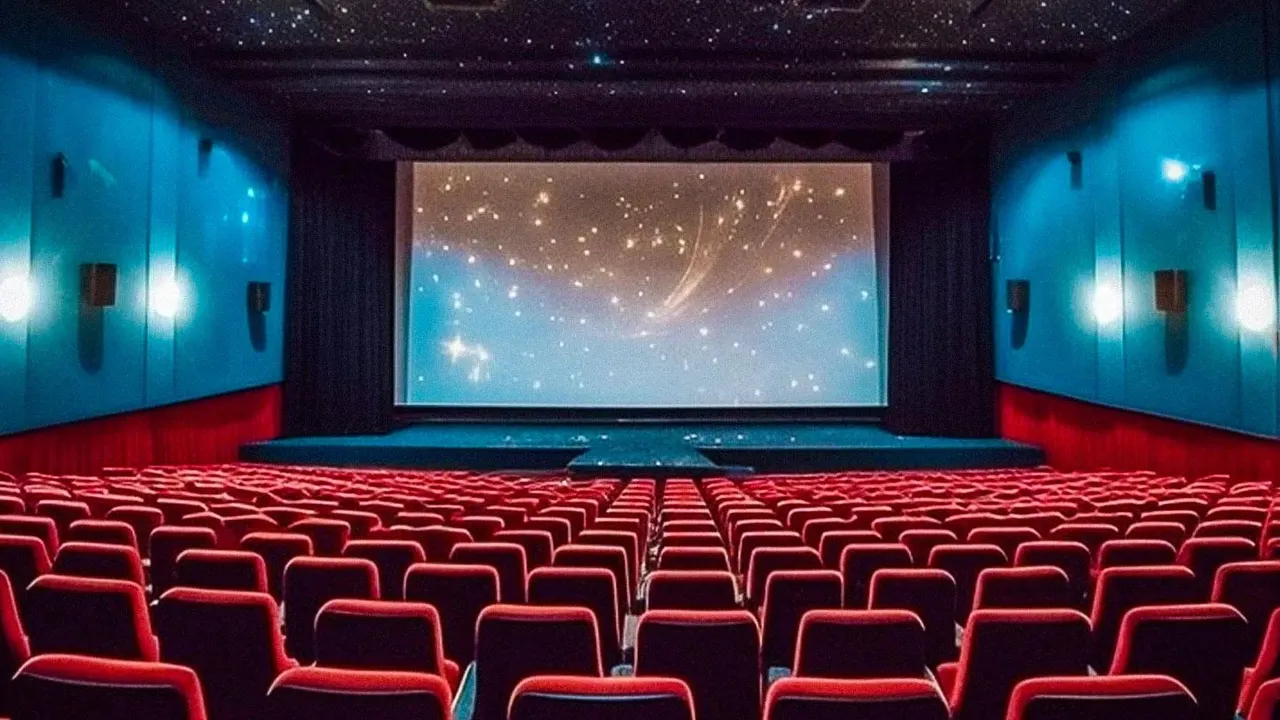
show that Gen Z is now the most frequent moviegoing generation. A 2026 Fandango study revealed that 87% of Gen Z had seen a film in cinemas over the past year, more than any other age group. Similarly, a 2025 report from Cinema United noted a 25% year-over-year jump in attendance frequency for this group, with their average visits rising to 6.1 per year. This isn't just a passive trend; it's an active choice. Young audiences are not only showing up but are also more likely to spend on premium formats like IMAX and Dolby Cinema, turning a simple viewing into a high-fidelity event.
Escaping the Content Overload
The phrase "at-home viewing fatigue" captures a modern-day paradox: an abundance of choice leading to a sense of exhaustion. The average Gen Z individual spends around nine hours a day in front of screens, a reality that contributes to what experts call "digital fatigue"—an emotional and mental depletion from constant hyperconnectivity. This endless sea of content, combined with decision paralysis on streaming platforms, has made entertainment feel less like a treat and more like a task. The cinema offers a powerful antidote. It’s a rare space in modern life that demands your full attention, a distraction-free zone where phones are put away. For a generation wrestling with shortened attention spans, the immersive, focused environment of a theatre provides a welcome respite from the constant pings and notifications of daily digital life.
Cinema as a Social Event
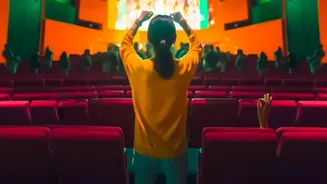
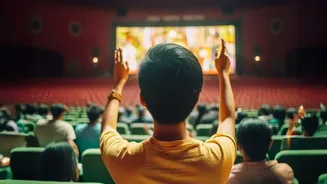
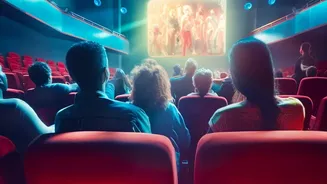
More than just watching a film, Gen Z is seeking a shared social experience. After years of pandemic-induced isolation, the desire for in-person, collective events is stronger than ever. The cinema has re-emerged as a vital 'third space'—a place for community outside of home and work—where friends can gather and participate in a cultural moment together. The experience isn't just about what's on the screen; it's about the collective gasps during a horror movie, the shared laughter of a comedy, and the post-credit discussions that spill out into the night. This social energy transforms a movie from disposable content into a memorable event. This is especially true for films that become cultural phenomena, where being part of the opening-weekend crowd is a social currency in itself.
The TikTok-to-Ticket Pipeline
Social media, once seen as a competitor to cinema, has ironically become one of its most powerful marketing engines. Platforms like TikTok are instrumental in building hype and driving theatrical success. A survey by TikTok found that 36% of its users purchased a movie ticket after discovering a film on the app. Trends, fan edits, and authentic, emotional reactions to new releases can create a powerful fear of missing out (FOMO), compelling viewers to see a film in theatres to be part of the online conversation. This user-generated buzz often holds more sway than traditional critics, as Gen Z trusts peer recommendations and viral moments. Films with strong social messages or unique aesthetics can explode in popularity through this grassroots promotion, demonstrating the power of this generation to dictate trends and turn a film into a movement.