
A Revolution in the Stars
World Space Week, observed annually from October 4-10, commemorates key milestones like the Sputnik 1 launch and the Outer Space Treaty. This year’s theme, ‘Rocket Revolution’, highlights a seismic shift in space exploration. For decades, space was the exclusive
domain of a few powerful governments. Now, thanks to reusable rockets, commercial launch providers, and a surge of startups, access to orbit is becoming cheaper and more frequent. This isn't just about bigger rockets; it's a fundamental change in the economics and accessibility of space, opening doors for more countries, companies, and researchers than ever before. The global space economy is on a trajectory to become a trillion-dollar industry by 2030, and this revolution is what’s fuelling its growth.
ISRO: India’s Trailblazing Foundation
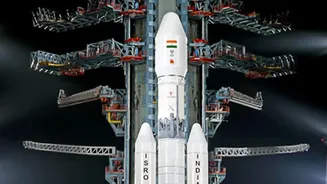
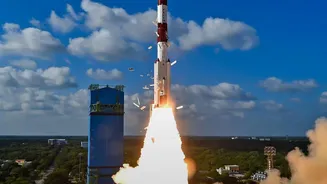
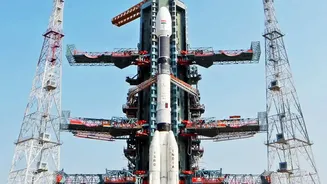
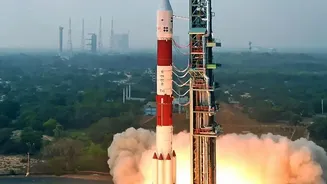
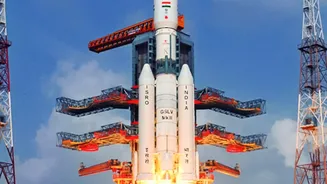
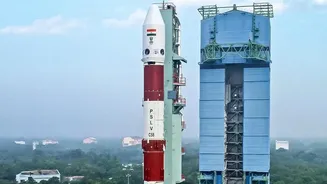
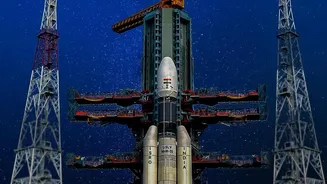
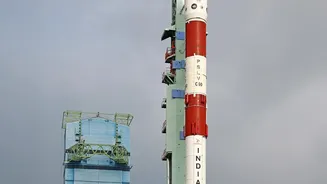
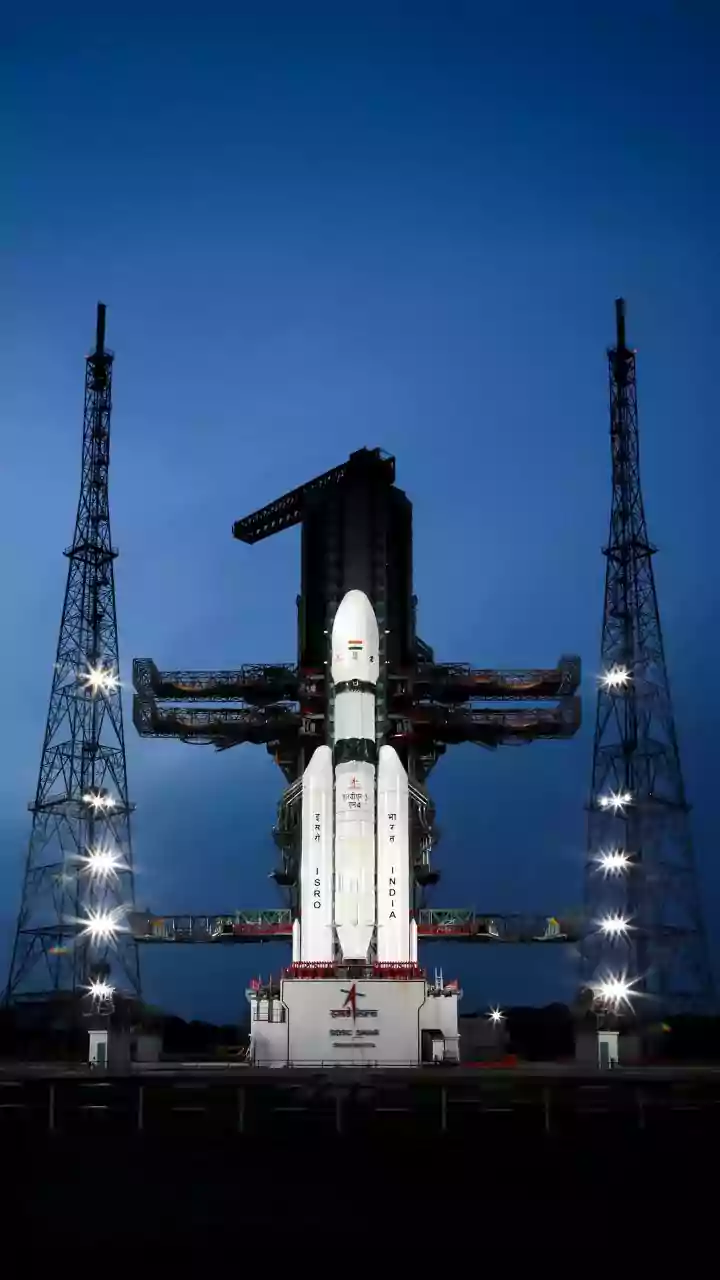
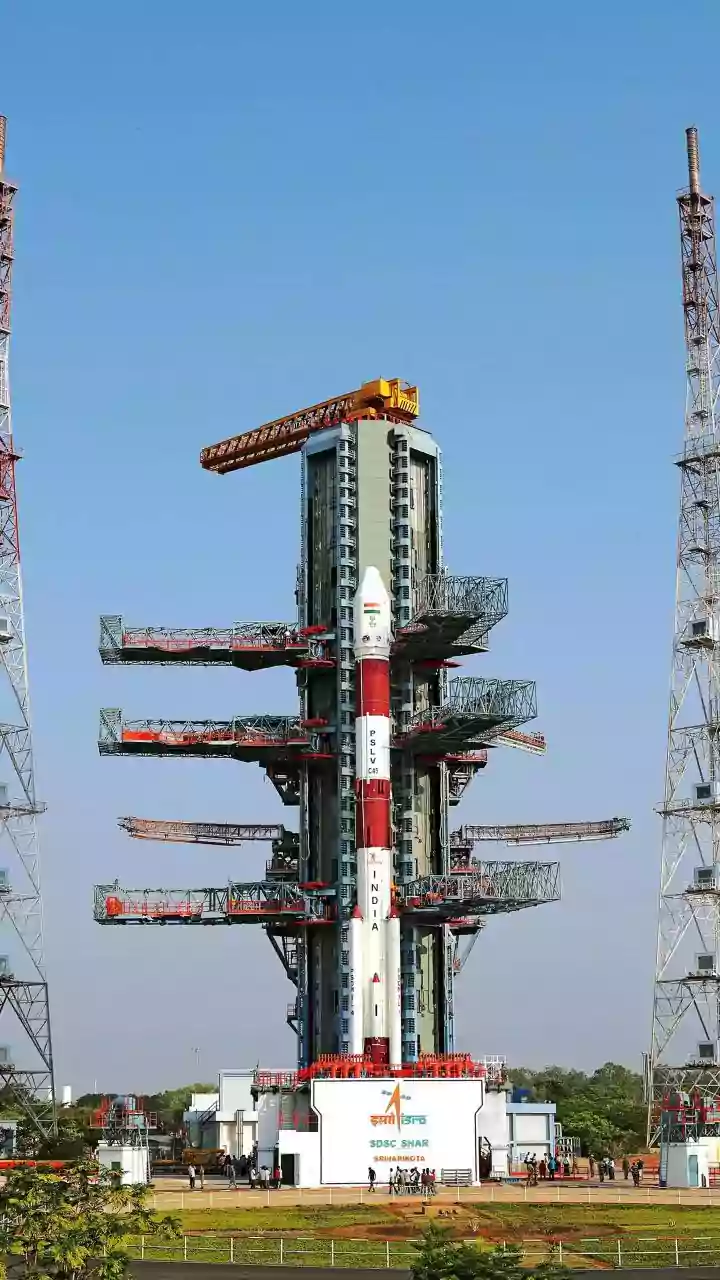
At the heart of India's space story is the Indian Space Research Organisation (ISRO), which has consistently pushed the nation to the forefront of space exploration. From its early days of using space technology for societal development, ISRO has evolved into a world-class agency. The historic Chandrayaan-3 mission, which made India the first nation to soft-land near the lunar south pole in 2023, was a monumental achievement that captured global attention. This was followed by the Aditya-L1 mission to study the Sun, further showcasing India's scientific prowess. Beyond exploration, ISRO has also demonstrated critical capabilities like space docking with its SpaDeX mission in 2025, a technology possessed by only a handful of nations. These milestones are the bedrock upon which India’s current space ambitions are built.
The Private Sector Takes Flight
The most significant aspect of the 'Rocket Revolution' in India is the rise of a dynamic private space sector. In recent years, policy reforms and the establishment of regulatory bodies like the Indian National Space Promotion and Authorisation Centre (IN-SPACe) have opened the doors for private companies to participate in end-to-end space activities. This has sparked a boom, with the number of Indian space startups growing from just one in 2014 to over 400. Companies like Skyroot Aerospace and Agnikul Cosmos are developing their own launch vehicles, while others like Dhruva Space and Pixxel are making strides in satellite manufacturing and applications like hyperspectral imaging. This public-private partnership allows ISRO to focus on deep-space exploration and research, while the private sector drives innovation, creates jobs, and helps India aim for a larger share of the global space economy.
Gaganyaan and the Path Ahead
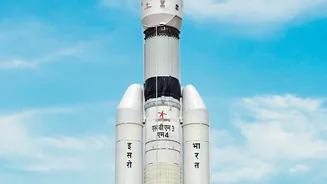
India’s ambitions are now reaching for the next frontier: human spaceflight. The Gaganyaan programme is the most visible symbol of this leap. The mission aims to send a crew of three Indian astronauts into a 400 km orbit and return them safely, which would make India the fourth country in the world to achieve this feat independently. After extensive testing, the first uncrewed orbital test flight, G1, is targeted for late 2026, carrying a humanoid robot named Vyommitra. Following further uncrewed tests, the first crewed mission is planned for 2027. Looking further ahead, India has even grander plans, including the Bharatiya Antariksh Station (a national space station) with its first module aimed for a 2028 launch, a lunar sample-return mission (Chandrayaan-4), and a crewed lunar mission by 2040.