





The Freedom to Roam (Allemansrätten)
Perhaps the single most compelling reason for Sweden's popularity is 'Allemansrätten', or the Right of Public Access. This ancient principle, protected by the Swedish constitution, grants everyone the right to walk, cycle, ski, and camp on any land, with
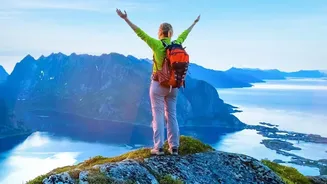
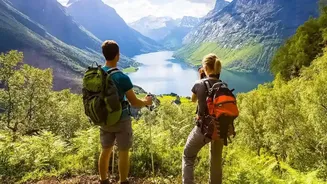
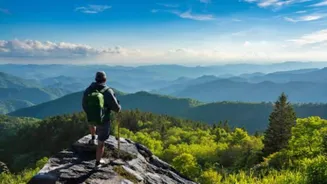
few exceptions. For hikers, this translates into unparalleled freedom. You can pitch a tent for a night or two almost anywhere, pick wild berries and mushrooms, and explore vast landscapes without being confined to a single path, as long as you adhere to the simple motto: "Don't disturb, don't destroy." This cultural cornerstone fosters a deep connection to nature and offers a sense of wildness and self-reliance that is hard to find elsewhere.
The King of Trails: Kungsleden
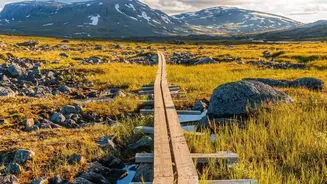
You can't talk about hiking in Sweden without mentioning Kungsleden, or 'The King's Trail'. This 440-kilometre trail is one of the most famous hiking routes in the world, stretching through the breathtaking beauty of Swedish Lapland. The trail passes through several national parks, including parts of the Laponia UNESCO World Heritage Site, offering views of vast mountain plateaus, birch forests, and pristine rivers. The most popular section runs between Abisko and Hemavan. While the entire trail is a major undertaking, its division into sections makes it accessible for various skill levels. Its fame and beauty act as a powerful magnet for international hikers seeking a truly epic adventure.
A Masterclass in Trail Infrastructure
While Sweden offers immense wilderness, it is far from inaccessible. The country boasts a world-class network of over 400 well-marked trails. Much of this is thanks to the Swedish Tourist Association (STF), a non-profit founded in 1885. The STF maintains a system of mountain huts ('stugor') and larger mountain stations ('fjällstationer') along major routes like Kungsleden. These huts, often located a day's hike apart, provide basic shelter, cooking facilities, and sometimes even saunas, allowing hikers to travel lighter without carrying a tent. This infrastructure makes multi-day treks in remote areas safer and more accessible to a broader range of adventurers.
A Landscape of Stunning Diversity
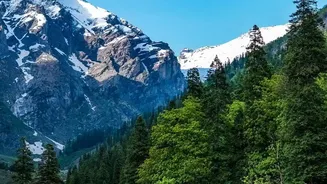
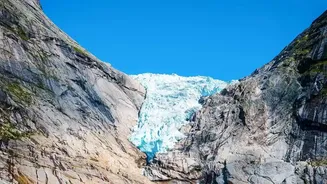
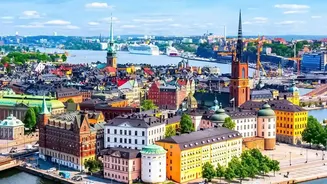
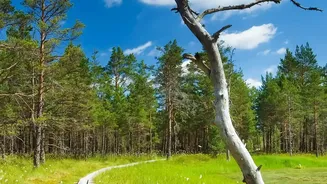
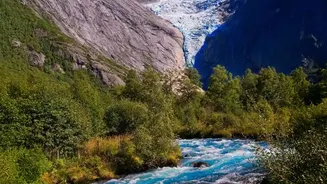
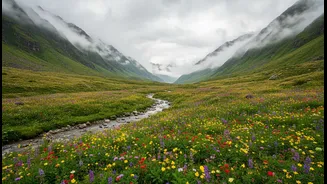
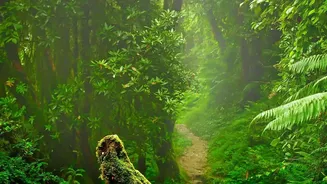
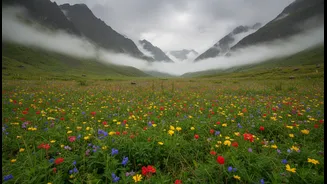
Sweden's sheer length means its landscape is incredibly varied, offering something for every type of hiker. In the far north, Swedish Lapland provides Arctic tundra, glaciers, and rugged mountains above the tree line. Central Sweden is characterized by ancient pine forests, deep river valleys, and thousands of lakes. The south offers a gentler experience with rolling hills, deciduous forests, and stunning coastlines with thousands of islands, especially along the Bohuslän coast and the Stockholm archipelago. This allows hikers to choose between vastly different environments, from the challenging Sarek National Park, which has no trails at all, to the family-friendly coastal paths of the Skåneleden trail.
The Magic of Midnight Sun and Northern Lights
The experience of hiking in Sweden is elevated by unique natural phenomena. North of the Arctic Circle, hikers in summer can experience the Midnight Sun, where daylight lasts for 24 hours. This magical, perpetual twilight allows for hiking at any hour, offering a surreal and unforgettable adventure. Conversely, from late August through April, the same northern regions become one of the best places on Earth to witness the Aurora Borealis, or Northern Lights. The chance to see the sky erupt in curtains of green and purple light after a day on the trail adds an otherworldly dimension to an autumn or winter trek. The Aurora Sky Station in Abisko is world-renowned for this very reason.