


What Defines Genuine Paneer?
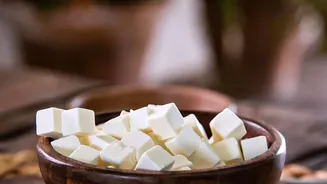
Genuine paneer has a simple and clear definition under India's food safety laws. According to the Food Safety and Standards Authority of India (FSSAI), paneer must be made by curdling fresh milk—typically from cows or buffaloes—using an approved food-grade
acid like lemon juice or vinegar. The standards are specific: paneer made from cow milk must have at least 50% fat on a dry matter basis, and the moisture content should not exceed 70%. The use of any non-dairy fats, starch, or synthetic milk is strictly forbidden. These rules exist to ensure that when you buy paneer, you're getting a nutritious product rich in natural protein and calcium, not a block of fillers.
The Alarming Rise of 'Fake' Paneer
The high demand for paneer has unfortunately led to a surge in counterfeit products. To cut costs and increase profits, some manufacturers create 'analogue' or fake paneer using a variety of undeclared substances. Common adulterants include starch (like arrowroot or maida) to add bulk, and vegetable fats like palm oil to mimic milk fat. More dangerously, some illicit operations use a concoction known as synthetic milk, which can contain harmful chemicals like urea, detergents, and caustic soda. In recent months, authorities have conducted numerous raids across states like Maharashtra, Uttar Pradesh, and Gujarat, seizing thousands of kilograms of fake paneer made with these dangerous ingredients. This has even led states like Maharashtra and Chhattisgarh to completely ban the manufacture and sale of non-dairy analogue paneer.
The Hidden Health Dangers
Consuming adulterated paneer isn't just a matter of poor taste; it poses significant health risks. Starch and vegetable fats reduce the nutritional value, depriving you of the protein you expect. However, the chemical adulterants are far more hazardous. Ingesting paneer made with detergents and other chemicals can cause immediate digestive issues like stomach cramps, vomiting, and diarrhoea. Long-term consumption is linked to much more severe outcomes, including damage to the liver and kidneys, hormonal disruptions, and even an increased risk of cancer. Children and the elderly are particularly vulnerable to these effects.
Simple Tests to Check Paneer at Home
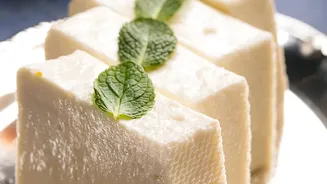
You don't need a lab to spot a fake. Here are some simple tests you can perform in your own kitchen: The Texture Test: Real paneer is soft and should crumble easily when you press it. Fake paneer often feels rubbery, elastic, or spongy due to the presence of starch. The Iodine Test for Starch: This is a very reliable method. Boil a small piece of paneer in water, let it cool, and then add a couple of drops of iodine solution. If the paneer or the water turns blue or black, it confirms the presence of starch. The Boiling Test: Drop a cube of paneer into boiling water for a few minutes. Real paneer will soften but hold its shape. Fake paneer may become rubbery or start to disintegrate, leaving the water cloudy.
How to Be a Smart Paneer Shopper
Being vigilant at the point of purchase is your first line of defense. Whenever possible, opt for packaged paneer from reputable brands that have an FSSAI license number clearly displayed. Check the manufacturing and expiry dates. Avoid buying loose paneer from unverified sources, as it's harder to trace its quality. Be wary of paneer that looks unnaturally white, which could be a sign of bleaching agents, or paneer that is sold at an unusually low price. Genuine paneer has a fresh, milky smell; any chemical or sour odour is a major red flag.