






After days of festive feasting, it's tempting to seek a quick fix with an extreme diet. However, cardiologists and nutritionists agree that punishing your body is not the answer. The key is a gentle return to normalcy.
Why Extreme Diets Do More Harm Than Good
The internet is flooded with 'post-festive
detox' plans promising to flush out toxins and shed kilos rapidly. These often involve severe calorie restriction, juice-only fasts, or eliminating entire food groups. Experts warn that such crash diets can backfire. Your body has a highly efficient natural detoxification system run by the liver and kidneys. Restrictive diets can disrupt this system, leading to nutritional deficiencies, muscle loss instead of fat loss, fatigue, and even metabolic slowdown. The rapid weight loss is often just water, which returns once you resume normal eating, sometimes with extra kilos in tow. This 'yo-yo' effect can strain the heart and is particularly risky for those with conditions like diabetes or hypertension.
The 'Normal Meals' Philosophy
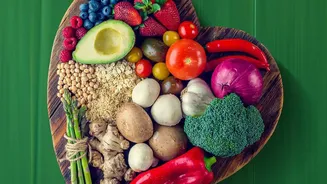
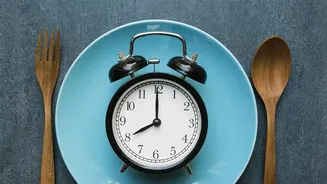
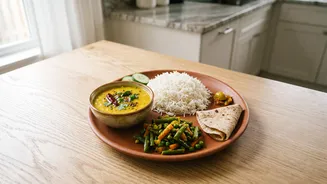
The most effective approach after a period of indulgence is to simply return to a consistent routine of balanced, home-cooked meals. Cardiologists emphasise that one or two rich meals do not need to be 'punished'. Instead, focus on re-establishing regular meal timings to help your body find its rhythm again. A balanced plate should include a source of lean protein (like dal, paneer, eggs, or fish), plenty of vegetables, and a moderate portion of whole grains such as roti or brown rice. This approach provides essential nutrients, stabilises blood sugar, and prevents the intense cravings that often follow restrictive diets.
Hydration Is The First Step Back
After consuming salty snacks and sugary sweets, your body is likely dehydrated and retaining water, which contributes to that bloated feeling. One of the simplest and most effective ways to reset is to focus on hydration. Start your day with a glass of warm water, perhaps with lemon or jeera, to stimulate digestion. Throughout the day, continue sipping on plain water, coconut water, or herbal teas. Proper hydration helps flush out excess sodium, reduces bloating, and supports your kidneys' natural function. Often, we mistake thirst for hunger, so staying hydrated can also help manage unnecessary snacking.
Reintroduce Fibre and Nutrient-Dense Foods
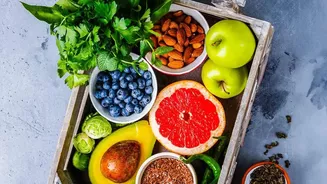
Give your digestive system a break from heavy, fried foods by prioritising light, healing meals. Opt for simple dishes like vegetable khichdi, dal soup, or steamed vegetables that are easy to digest and packed with nutrients. It is crucial to reintroduce plenty of fibre from fruits, vegetables, and whole grains. Fibre helps regulate digestion and keeps you feeling full, which can curb cravings for leftover sweets. Including a variety of colourful fruits and vegetables like papaya, pomegranates, and leafy greens also provides a much-needed boost of antioxidants to combat inflammation caused by festive foods.
Go Easy on Salt and Sugar
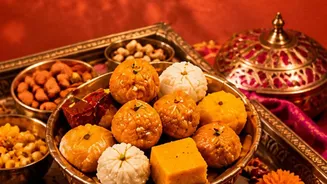
Excessive salt and sugar are major culprits behind post-festival sluggishness, fluid retention, and blood sugar spikes. For the week following Diwali, make a conscious effort to cut back on packaged snacks, pickles, and sweets. When you crave something sweet, opt for a piece of fruit instead of reaching for another mithai. While you don't need to eliminate salt entirely, using it in moderation and avoiding highly processed foods can make a significant difference. This gentle reduction helps normalise blood pressure and gives your palate a chance to reset.
Don't Forget Gentle Movement
You don't need to jump into an intense workout routine to compensate for festive eating. In fact, starting with light exercise is more beneficial. A short walk of 15–20 minutes after meals can aid digestion and prevent sluggishness. Gradually reintroducing your regular exercise routine, whether it's walking, yoga, or cycling, helps improve insulin sensitivity and supports heart health. Consistent physical activity, paired with a return to a regular sleep schedule, is vital for restoring your body’s natural rhythm and energy levels.