








The Core of the Crisis
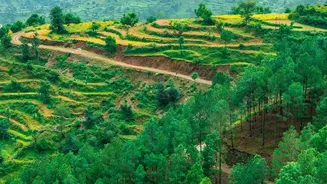
The latest ‘State of the World’s Forests’ report, released by the UN’s Food and Agriculture Organization (FAO), paints a stark picture. Since 1990, the world has lost over 489 million hectares of forest, and an even larger area suffers from degradation.
The report warns that despite numerous global pledges to restore over a billion hectares, actual progress is dangerously slow, with only about a fifth of that area currently undergoing restoration. This gap between promises and reality threatens not only global climate goals but also the livelihoods of nearly a third of the world's population who depend on forests for food, water, and income.
More Than Just Planting Trees
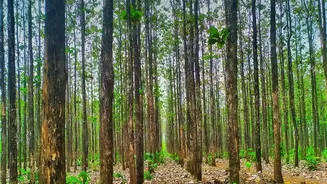
The report emphasizes that true Forest and Landscape Restoration (FLR) is not simply about planting saplings. It is the complex, long-term process of rebuilding entire ecosystems to regain their ecological functions and support human well-being. This means choosing the right native species, ensuring biodiversity, improving soil and water quality, and crucially, involving local communities. When done right, restored forests act as massive carbon sinks, provide habitats for endangered species, prevent soil erosion, and regulate local climates. The UN urges a shift away from short-term projects toward holistic strategies that deliver lasting environmental and social benefits.
The Indian Imperative
For India, this global call to action resonates deeply. The nation has already committed to restoring 26 million hectares of degraded and deforested land by 2030 under the Bonn Challenge. Recent government data indicates that an impressive 21.76 million hectares have already been brought under restoration. Initiatives like the Aravalli Green Wall Project and the coastal MISHTI mangrove initiative showcase this commitment in action. However, with a large population dependent on forest resources and ongoing threats from land degradation and climate change, the UN report's sense of urgency is particularly relevant. Making restoration a central pillar of national policy is presented as an investment in India’s own food security, climate resilience, and rural development.
A Blueprint for National Action
So, what does making restoration a priority look like? According to the FAO report, it involves four key pathways. First, empowering local people and strengthening their rights to the land, ensuring they are at the center of planning and benefit directly. Second, implementing restoration at a large, landscape-wide scale rather than in isolated patches. This means balancing conservation with production and livelihood needs. Third is mobilizing finance, aligning both public and private investment to support long-term projects. Finally, creating coherent and supportive laws and policies that remove barriers and incentivize high-quality restoration work is essential.
The Economic and Human Dividend
The report stresses that the benefits of this ambitious agenda are not just ecological but profoundly economic. Globally, restoring degraded ecosystems is estimated to generate immense value in benefits each year. For India, this translates into green jobs, sustainable livelihoods for millions in forest-dependent communities, cleaner air in cities, and more reliable water sources. Prioritizing forest health is directly linked to human health and economic stability. As the FAO Director-General stated, this is not just an environmental issue but a “strategic investment in resilient agrifood systems and rural development.”