




A Familiar Form, But Sharper
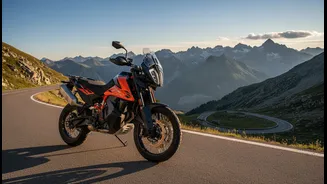
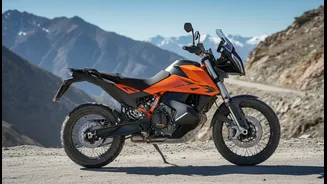
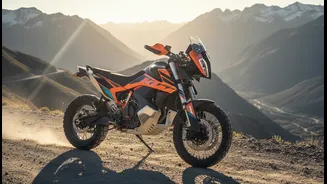
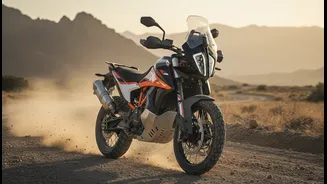
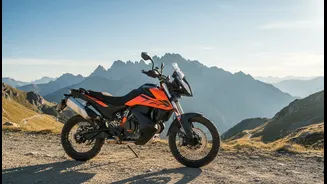
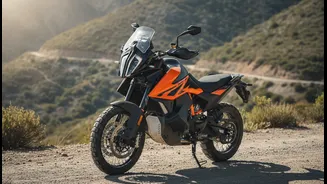
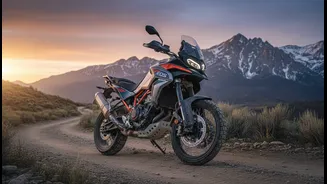
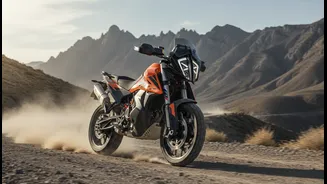
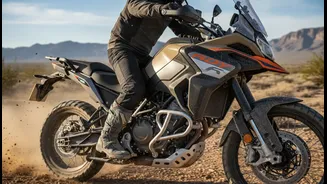
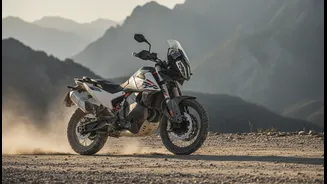
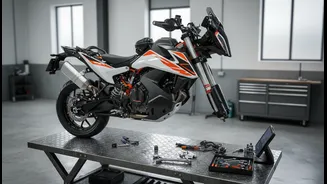
The camouflaged prototype recently spotted undergoing testing is unmistakably a KTM middleweight, but the changes are significant. The most debated feature of the original bike—the low-slung, pod-like fuel tanks—appears to have been replaced by a more
conventional single tank design. This change, along with a completely new front-end, gives the bike a slimmer, more athletic profile. The new bodywork is smoother and more cohesive, moving away from some of the hard edges of the previous generation for a look that feels more modern and integrated. It’s a clear aesthetic shift aimed at broadening the bike's appeal while retaining that signature KTM aggression.
A New Face Inspired By The Track
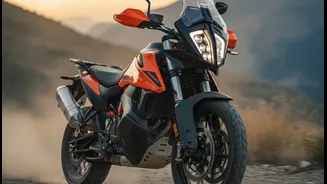
One of the most dramatic changes is the new headlight and fairing assembly. The outgoing model's large, split headlight is gone, replaced by a compact, rally-inspired design featuring a projector LED. This new face is not just a style update; it’s a functional one, aimed at providing better lighting for touring while reducing the bike's visual bulk. A taller windscreen is also visible on the test mule, suggesting KTM has listened to feedback about wind protection on long rides. The entire front section appears cleaner, narrower, and more aligned with the design language of KTM's Dakar-winning machines and its upcoming larger-capacity Adventure models.
The Proven Heart of the Machine
Underneath the new bodywork, KTM seems to be sticking with a winning formula. The frame and swingarm appear largely unchanged, indicating that the core chassis geometry that made the 790 a celebrated handler remains. The engine is expected to be the same 799cc parallel-twin, which currently produces around 95 horsepower and 87 Nm of torque. This suggests KTM isn't chasing headline power figures, but rather focusing on reliability and usability. The prototype was spotted with the current 5-inch TFT display, reinforcing the idea that this model will remain a distinct, more accessible option compared to its higher-tech, larger-displacement siblings.
Why Refine a Winning Formula?
KTM’s strategy with the 790 Adventure is a calculated business decision. The original platform was successful, and a complete reinvention is costly and risky. By refining the existing model, KTM can address customer feedback, update the styling to keep it fresh, and incorporate new technologies cost-effectively. For example, the test bike features new WP-branded brake calipers, part of KTM's move to bring more component manufacturing in-house. This approach allows the brand to improve the product and control costs, keeping the 790 Adventure competitively priced in a crowded market. It’s a move that prioritizes sustainable evolution, ensuring the bike remains a strong contender without alienating its existing fanbase.
What It Means for Adventure Riders
For potential buyers, this evolution signals a more polished and user-friendly motorcycle. The move to a single-piece seat suggests improved comfort for both rider and passenger. The slimmer profile and updated ergonomics should make the bike feel more agile and manageable, especially for shorter riders or in technical off-road situations. The improved wind protection and cleaner aesthetics address some of the most common critiques of the previous model. While the bike appears close to production-ready in the spy shots, an official launch is not expected until the spring of 2027, following KTM's typical release schedule for its adventure lineup.