

The Evolving Indian Pantry
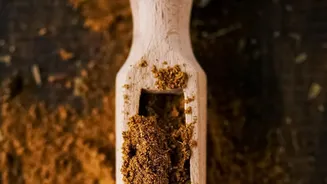
For generations, the Indian pantry has been a fragrant repository of spices, lentils, and grains—a foundation built on turmeric, cumin, coriander, and mustard seeds. The masala dabba, or spice box, is the heart of the kitchen. Yet, a quiet but flavourful
revolution is underway. Today, you are increasingly likely to find a tub of fermented Japanese miso paste sitting on the shelf, not far from the garam masala. This isn't about replacement; it's about expansion. The modern Indian pantry is becoming a fascinating mix of local heritage and global curiosity, where traditional tastes are confidently meeting new ones. This trend reflects a broader cultural shift, one where home cooks are more experimental and globally connected than ever before.
Why Global Flavours Are Moving In
Several factors are driving this change. Increased international travel, the explosion of food content on social media, and a growing interest in wellness have all played a part. Indian diners are increasingly embracing authentic international flavours from across Asia, moving beyond the familiar Indo-Chinese staples. This curiosity, once satisfied by dining out, is now making its way into home cooking. The internet provides a gateway, with chefs and food influencers demonstrating how to use ingredients like miso, gochujang, and tahini. Furthermore, there is a growing health consciousness. Fermented foods like miso are gaining popularity not just for their complex umami flavour but also for their perceived health benefits. This combination of accessible knowledge and a desire for new, healthy flavours is reshaping what we stock in our kitchens.
Miso Meets Masala: A Flavour Story
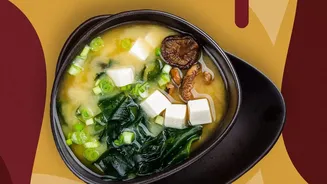
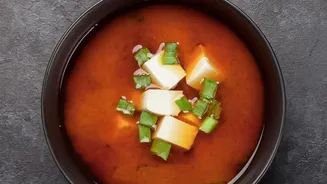
The real magic happens when these new ingredients are not just used in their traditional contexts, but are integrated into Indian cooking itself. This isn't about making Japanese miso soup; it's about adding a spoonful of miso to a pot of dal or khichdi to deepen its flavour. Experimental home cooks and chefs are finding that the salty, savoury depth of miso can complement Indian spices beautifully. Imagine a miso-infused baingan bharta, where the umami of the paste enhances the smokiness of the roasted eggplant. Or a marinade for paneer tikka that uses miso alongside yogurt and spices. These fusion recipes, from miso masala tofu wraps to spicy miso tomato chutney, demonstrate a creative and confident approach to cooking that honours both traditions.
Beyond Miso: A Global Shelf
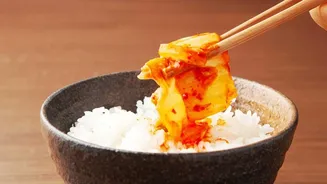
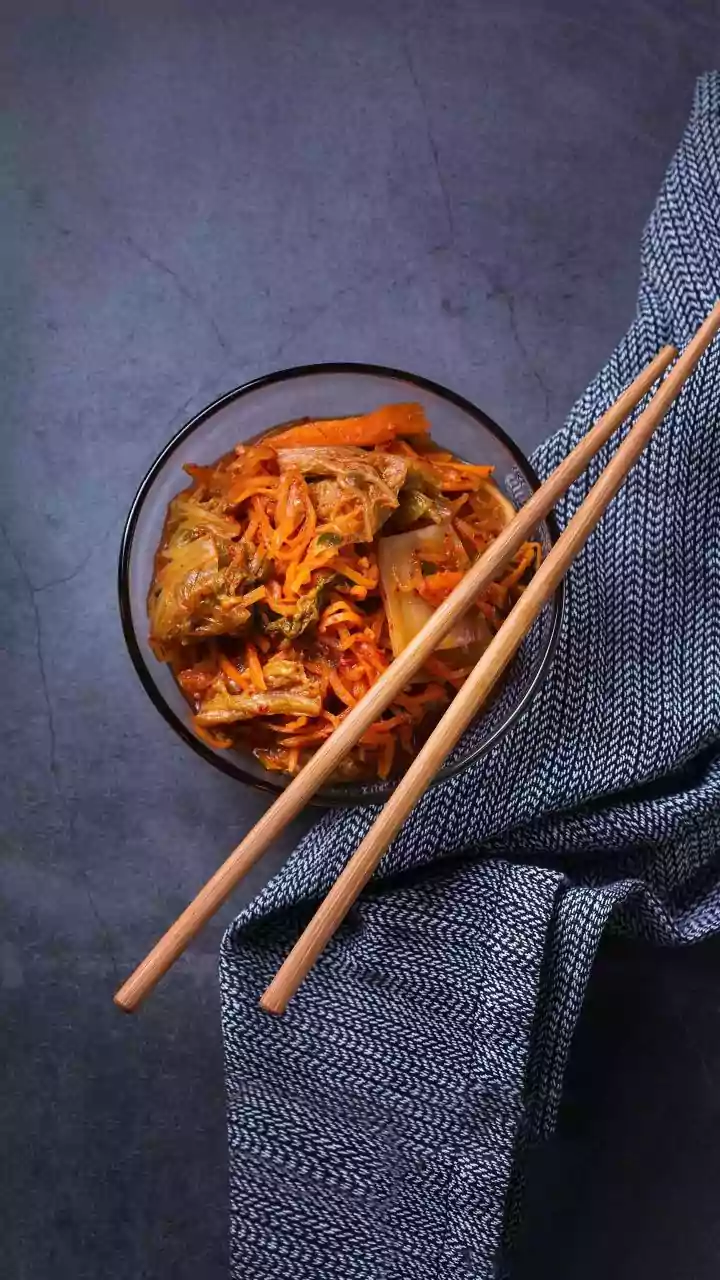
While miso is a star player, it's part of a larger trend. The new Indian pantry might also include Korean gochujang for a spicy-sweet kick, Middle Eastern tahini for creamy sauces, or a variety of vinegars for nuanced acidity. The interest in authentic Asian cuisines, in particular, is surging, with Korean and Japanese ingredients leading the way. This expansion isn't just about what's new; it's also leading to a rediscovery of India's own diverse regional ingredients. Chefs are making local versions of global products, like miso made from Indian chickpeas or cashews, creating a unique culinary vocabulary that is both global in its influence and hyperlocal in its sourcing. This dual movement—looking outward and inward simultaneously—is what makes the current moment so exciting.