






As autumn deepens, millions of devotees across Bihar and India turn their focus to Chhath Puja, an ancient Vedic festival of immense discipline and faith. In 2026, this four-day observance honours the Sun God, Surya, from November 13 to 16.
An Ancient Ode to the Sun
Chhath Puja
is a festival deeply rooted in gratitude, dedicated to Surya Dev (the Sun God) and his consort, revered as Chhathi Maiya. Predominantly observed in Bihar, Jharkhand, and eastern Uttar Pradesh, its unique rituals set it apart. Unlike most Hindu festivals, Chhath involves no idol worship. Instead, it is a direct communion with nature, particularly the sun, which is honoured as the visible, life-sustaining deity. The festival is celebrated for granting health, prosperity, and longevity to one's family, especially children. Its observance twice a year, in the months of Chaitra (March-April) and the more widely celebrated Kartik (October-November), connects devotees to ancient Vedic traditions of sun worship.
The Four Days of Devotion
The festival unfolds over a rigorous four-day period, with each day holding specific rituals. The 2026 observance begins on Friday, November 13, with 'Nahay Khay' (bathe and eat). Devotees take a holy dip, often in the river Ganga, clean their homes, and consume a single sattvik meal. The second day, Saturday, November 14, is 'Kharna'. This involves a day-long fast, broken briefly in the evening with prasad of 'raskheer' (jaggery kheer) and rotis, after which a strict 36-hour waterless fast begins. The third day, Sunday, November 15, is for 'Sandhya Arghya', the evening offering. The festival culminates on Monday, November 16, with 'Usha Arghya', the morning offering.
Sandhya Arghya: Gratitude at Sunset
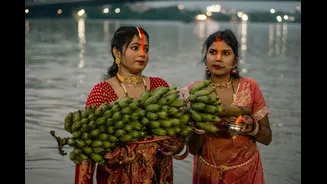
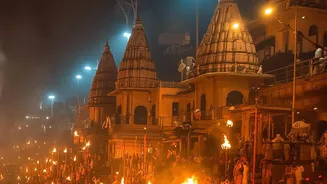
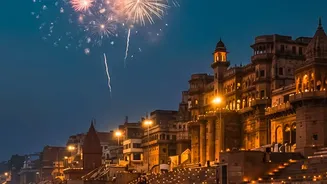
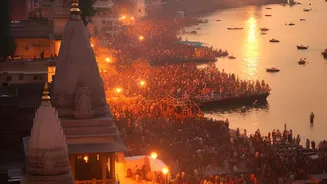
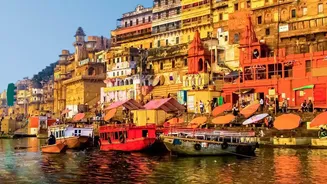
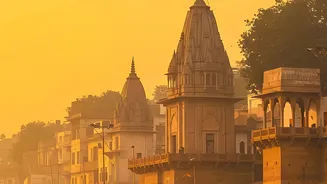
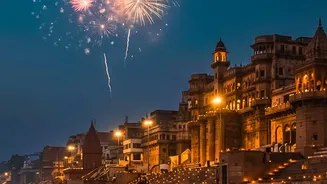
The third day is a pivotal moment in the festival. As the sun begins to set, families and devotees, known as 'vratis', throng the ghats of rivers and ponds. Standing waist-deep in the water, they make offerings, or 'Arghya', to the setting sun. This ritual is unique, as Chhath is one of the few traditions that worships the sun at the end of its daily journey, expressing gratitude for the energy and life it provided throughout the day. The offerings, arranged in bamboo baskets called 'soop', typically include 'thekua' (a traditional sweet), seasonal fruits like sugarcane and bananas, and coconuts. The atmosphere is filled with the sound of folk songs, creating a mesmerising scene of collective devotion.
Usha Arghya: Hope at Sunrise
As the headline notes, the 'Usha Arghya' on Monday, November 16, marks the powerful conclusion of Chhath Puja. Before dawn, the vratis and their families gather once again at the same water bodies. They perform the final Arghya, offering prayers and water to the first rays of the rising sun. This act symbolises welcoming new beginnings, hope, and the renewal of life's energy. After these final prayers, the vratis break their arduous 36rd hour fast in a ritual known as 'Parana'. The prasad is then distributed among family, friends, and neighbours, spreading a sense of community and shared blessings.
The Heartbeat of Bihar
In Bihar,, Chhath is more than a festival;; it is an emotional and cultural cornerstone.. The ghats of rivers like the Ganga in Patna become a sea of humanity,, where social distinctions of caste and wealth dissolve in a shared act of faith.. The preparations are as much a part of the observance as the final prayers.. Families work together to clean their homes,, prepare the prasad on earthen stoves,, and carry the offerings to the ghats.. The strict discipline of the vratis,, most often women,, who endure the demanding fast for the well being of their families,, is a testament to the profound devotion that defines Chhath.. It is this combination of personal penance and communal celebration that makes the festival a deeply moving experience.