





A Planet Changing Before Our Eyes
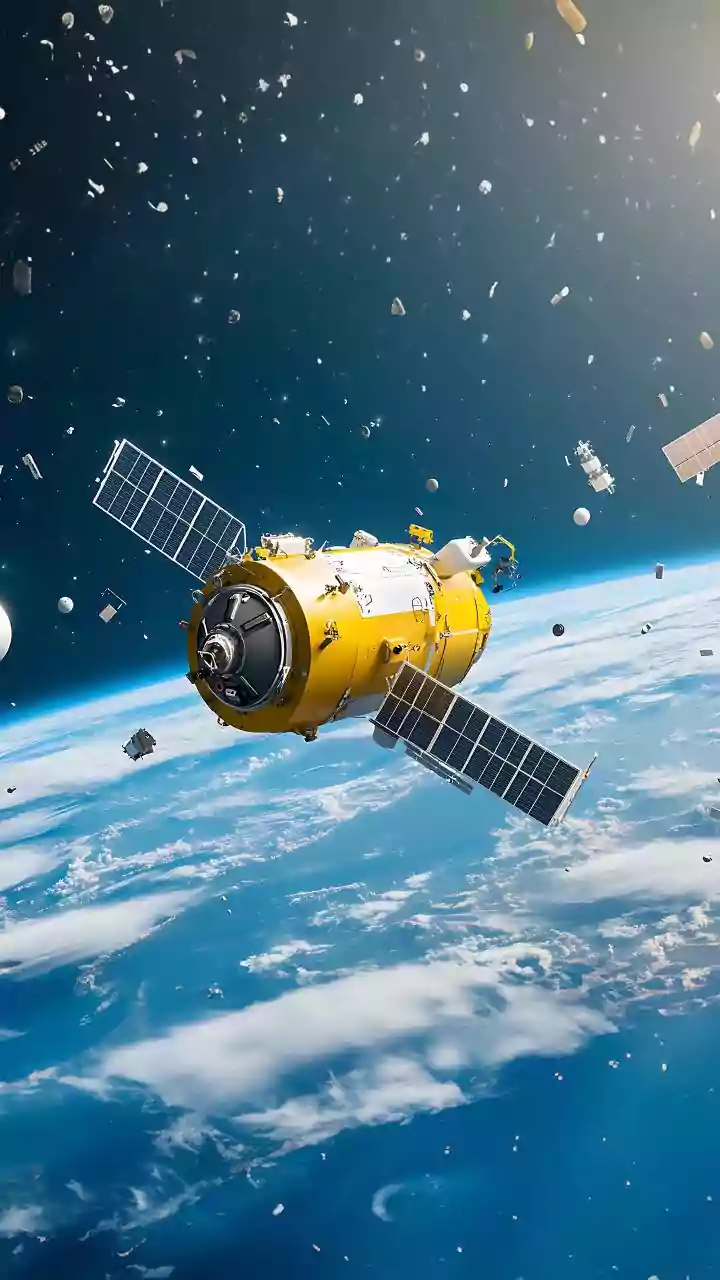
The evidence from space is as clear as it is alarming. Satellite missions from NASA and the European Space Agency, such as Landsat and Copernicus Sentinel, have been monitoring Greenland for decades. When you compare the images, the story they tell is undeniable.
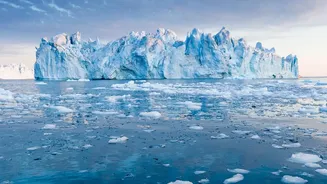
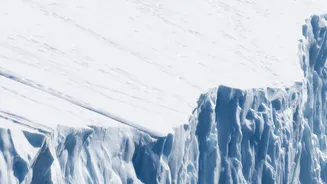
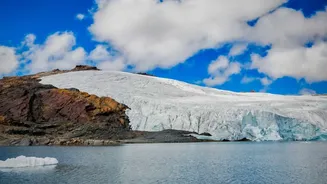
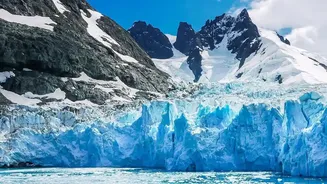
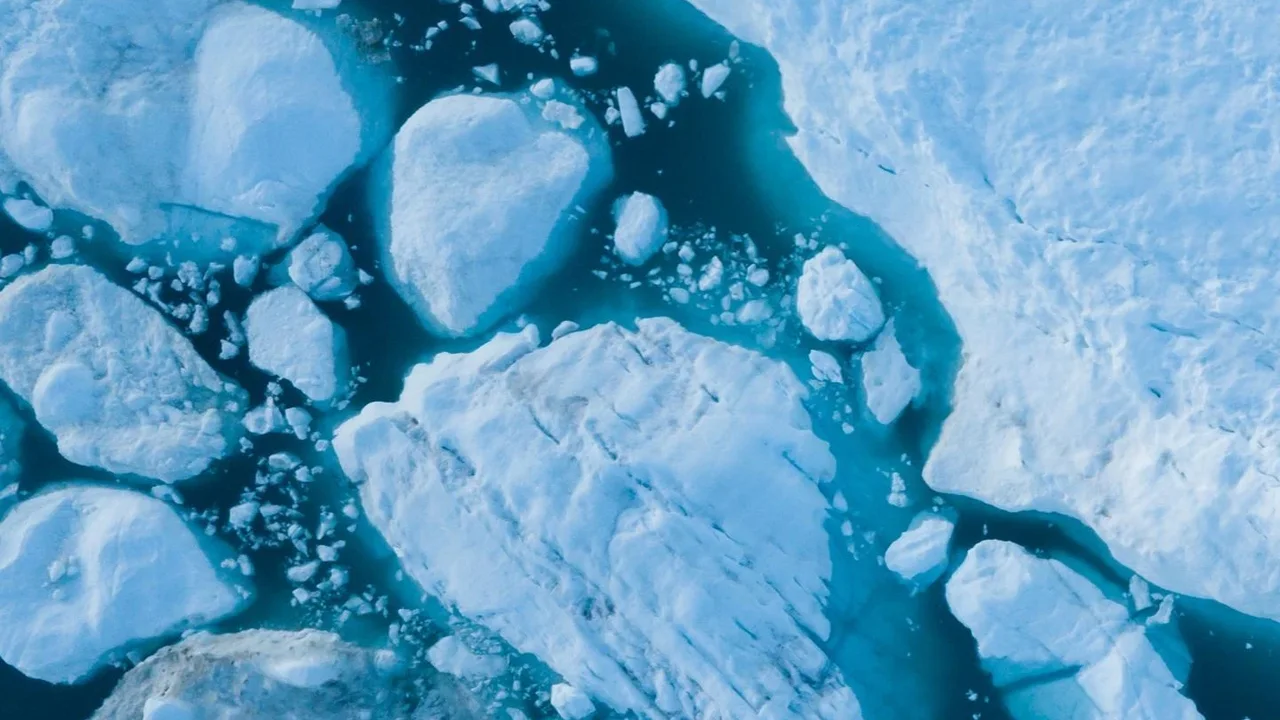
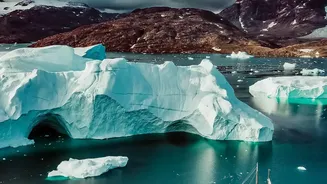
Vast glaciers that once stretched to the sea are now visibly shrunken, their leading edges having retreated by kilometres. What was once brilliant white ice is now, in many areas, replaced by the dark, rocky ground beneath or pools of turquoise meltwater. Just this month, in August 2026, satellites captured a massive section of ice, measuring 76 square kilometres, breaking away from the Petermann Glacier in northwest Greenland. These are not just isolated incidents; they are data points in a long-term trend, providing a continuous, high-definition look at a critical part of our world disappearing.
The Sobering Numbers Behind the Pictures
The visual spectacle of retreating ice is backed by staggering data. According to NASA's GRACE satellite mission, between 2002 and 2023, Greenland shed an average of 270 billion metric tons of ice every single year. To put that number in perspective, a single gigaton of ice is a billion tons, and the total annual loss has been enough to contribute significantly to global sea-level rise. Recent studies suggest the situation is accelerating. Research published in 2026 revealed that meltwater produced during extreme melt events has surged sixfold since 1990. The entire ice sheet holds enough frozen water to raise global sea levels by more than 7 meters, or about 23 feet, if it were all to melt. While a complete melt is not imminent, the current rate of loss is already having global consequences.
Why Is This Happening So Fast?
Greenland's ice is being attacked on two fronts. Firstly, rising air temperatures are causing unprecedented surface melting during the summer months. This meltwater can carve channels through the ice or pool on its surface, where the darker water absorbs more solar energy, leading to even more melting. Secondly, and perhaps more worryingly, the oceans are warming. Warmer ocean currents are flowing into the fjords where Greenland's massive glaciers meet the sea. This relatively warm water is eroding the glaciers from below, making them unstable and accelerating the rate at which they flow and break off into the ocean in a process known as calving. This combination of surface melt from above and ocean warmth from below has created a powerful feedback loop that is driving the ice sheet's accelerated decline.
Greenland's Melt, India's Problem
It can be hard to connect a melting ice sheet thousands of kilometres away to daily life in India, but the link is direct and dangerous: sea-level rise. Every gigaton of ice that melts in Greenland and flows into the ocean contributes to raising the sea level globally. For India, with its vast 7,500-kilometre coastline and some of the world's most densely populated coastal cities, the threat is profound. Major economic hubs like Mumbai, Chennai, and Kolkata are particularly vulnerable to increased flooding, damage to critical infrastructure, and the contamination of freshwater sources with salt water. The World Meteorological Organisation has explicitly warned that countries like India are at major risk. The problem is made worse because the Indian Ocean is one of the fastest-warming ocean basins, meaning thermal expansion of the water itself is compounding the effect of the added meltwater from the poles.
An Irreversible Warning
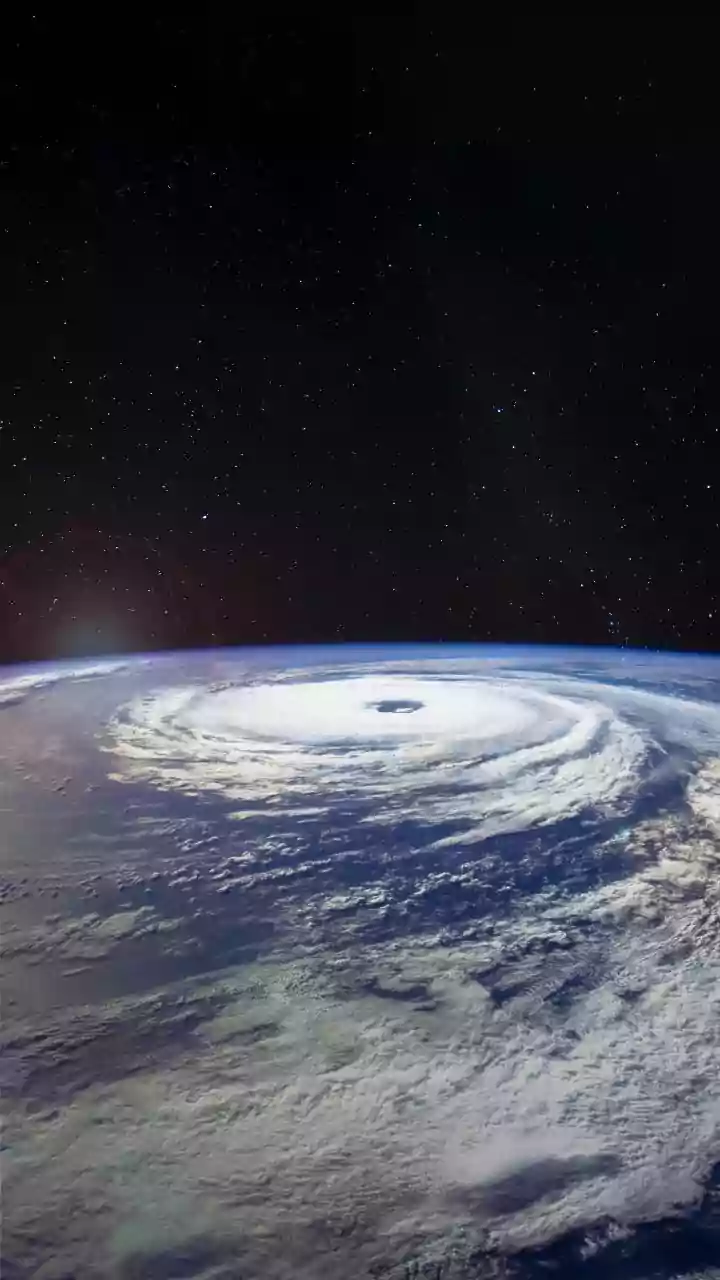
The changes happening in Greenland are a stark warning of a climate in transition. According to the Intergovernmental Panel on Climate Change (IPCC), the ice loss has already locked in a certain amount of future sea-level rise, a process that is now considered irreversible for thousands of years. The satellite images do more than just document the loss of ice; they serve as a critical alert system for the entire planet. They show us, in near real-time, the consequences of a warming world and underscore the urgency of global action. What happens in the remote, frozen expanses of the Arctic does not stay in the Arctic. Its effects are lapping at the shores of every continent.