





The Myth of Incomplete Plant Protein
A common concern about vegetarian diets is protein quality. While it's true that some plant foods are low in certain essential amino acids, the idea that you must meticulously combine foods in every single meal is outdated. Eating a variety of plant-based
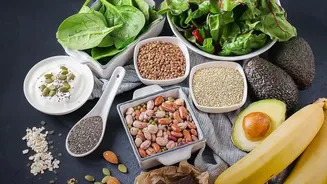
protein sources throughout the day ensures your body gets all the building blocks it needs. Indian cuisine, with its natural emphasis on combining grains and legumes, has been doing this for centuries. Plant-based proteins also come with added benefits like fibre, which aids digestion and promotes fullness, and they are often lower in saturated fats.
Embrace Hearty Beans and Lentils
Beans and lentils are the foundation of high-protein vegetarian cooking in India and beyond. A single cup of cooked lentils can provide around 18 grams of protein, while kidney beans (rajma) and chickpeas (chana) offer about 15 grams per cup. These aren't just numbers; they represent deeply satisfying meals. Think of a classic Rajma Masala served with brown rice, creating a complete protein meal that's both comforting and nourishing. Similarly, a hearty Chana Masala or a simple dal tadka are protein powerhouses that have been staples for generations. For a quick meal, a sprouted moong salad can offer as much as 24 grams of protein.
Yoghurt: A Creamy Protein Boost
Yoghurt, especially thick or strained varieties like Greek yoghurt (hung curd), is an excellent source of high-quality protein. It’s incredibly versatile and can be seamlessly integrated into dinner. A simple bowl of unsweetened Greek yoghurt served alongside a mixed dal khichdi can significantly increase the meal's protein content without overpowering the flavours. Use it to create a cooling raita with cucumber and mint to pair with a spicy curry, or as a base for marinades for paneer or tofu to tenderise them and add another layer of protein. Cottage cheese, or paneer, is another dairy superstar, with a 100g serving providing a significant protein punch.
Wholesome Grains for Sustained Energy
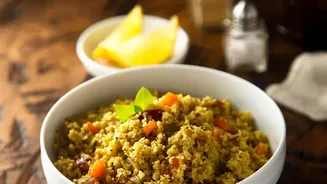
Grains are often dismissed as just carbohydrates, but whole grains are a valuable source of protein and other nutrients. Quinoa stands out as it contains all essential amino acids, offering about 8 grams of protein per cooked cup. Millets like bajra and ragi, along with amaranth (rajgira), are also fantastic protein-rich choices that are integral to traditional Indian diets. Instead of plain white rice, consider making a quinoa vegetable pulao, which can turn a simple side into a more nutritionally balanced part of your meal. Even swapping refined flour rotis for multigrain versions adds a small but meaningful protein boost.
Don't Underestimate Your Vegetables
While not as protein-dense as legumes or dairy, certain vegetables contribute usefully to your daily intake. Green peas, for instance, are one of the best vegetable sources of protein, providing around 4 grams per half-cup serving. Spinach and broccoli also contain notable amounts. Incorporating these into your meals adds not just protein but also essential vitamins, minerals, and antioxidants. A Palak Paneer (spinach with cottage cheese) or a stir-fry with broccoli and tofu are excellent examples of how vegetables can play a key supporting role in a high-protein dish.
Putting It All Together on Your Plate
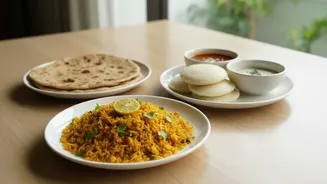
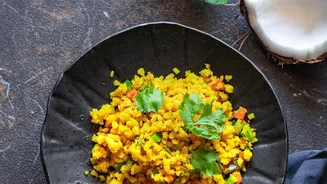
The real magic happens when you combine these elements to create a balanced, satisfying plate. A high-protein vegetarian dinner could be a Soya Chunk Curry served with brown rice and a side of cucumber raita. Another great option is a Paneer Bhurji (scrambled cottage cheese) cooked with onions, tomatoes, and capsicum, served with two multigrain rotis and a bowl of curd. Or, try a mixed dal khichdi made with both lentils and rice, accompanied by a generous serving of Greek yoghurt. These meals are not only packed with protein but are also rich in fibre and flavour, keeping you full and satisfied.