





The October Sales Boom in Numbers
October 2026 was a month to remember for India's electric vehicle sector. According to data from the Federation of Automobile Dealers Associations (FADA), retail sales of electric passenger vehicles soared by approximately 76% year-on-year, with registrations
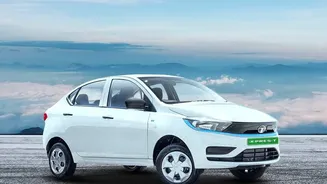
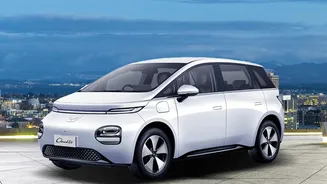
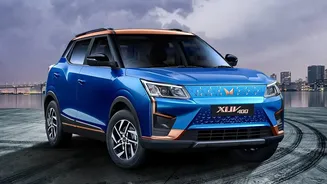
reaching around 37,000 units. This is a massive jump from the roughly 21,000 units sold in October 2025. This growth is even more striking when you consider that the broader passenger vehicle market actually saw a decline of about 14% in the same period. As a result, EVs captured a significant 7.3% of the total car market, nearly doubling their 3.5% share from a year ago. While Tata Motors maintained its commanding lead, competitors like Mahindra and JSW MG Motor India recorded strong growth, signalling a more competitive market.
Monthly Spike vs. Annual Trend: What's the Difference?
While a 76% year-on-year jump is impressive, it's important to distinguish between a monthly surge and sustained annual growth. Monthly figures, especially in a festive month like October, can be influenced by short-term factors. These include attractive discounts, new model launches, and a general increase in consumer spending. For instance, while year-on-year growth was massive, the month-on-month growth from September 2026 was a more modest 2.6%. In fact, the EV market share slightly dipped from 8.5% in September to 7.3% in October, suggesting the overall car market expanded faster during the festive rush. Annual growth, on the other hand, provides a much clearer picture of long-term adoption. It smooths out seasonal spikes and reflects deeper trends, such as improving charging infrastructure, growing consumer confidence, and the impact of stable government policies. The fact that India has already sold over 300,000 electric cars in 2026, surpassing the entire 2025 total by a huge margin, is a stronger indicator of a permanent shift.
What's Fuelling This Electric Charge?
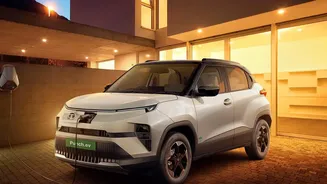
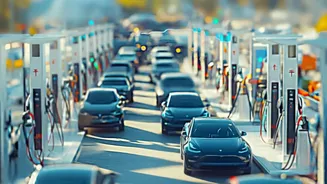
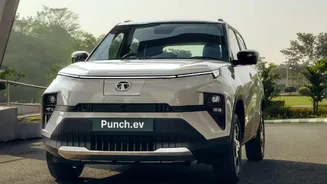
Several powerful factors are converging to drive this growth. Persistently high petrol and diesel prices have made the lower running costs of EVs incredibly attractive to consumers. The government's continued policy support, both at the central and state levels, provides crucial subsidies and incentives that lower the high upfront cost of electric cars. The market is also maturing rapidly. There is now a wider variety of EV models available across different price points, from affordable compact SUVs like the Tata Punch.ev to luxury offerings. This increasing choice means more buyers can find an EV that fits their budget and needs. Furthermore, growing environmental awareness and the steady expansion of public charging networks are helping to alleviate 'range anxiety', one of the biggest historical barriers to EV adoption.
The Road Ahead: Challenges and Opportunities
Despite the impressive growth, the journey is far from over. The upfront cost of an electric car remains a significant hurdle for many potential buyers, even with subsidies. While the charging network is growing, its density and reliability, especially on highways and in smaller towns, still need major improvements to support mass adoption. The industry also faces supply chain constraints and a heavy dependence on imported components, particularly batteries. However, the opportunity is immense. The strong sales figures from 2026 indicate that the Indian EV market has moved beyond early adopters and is now entering the mainstream. As battery technology improves, prices fall, and more 'Made in India' models enter the market, the momentum is expected to build, positioning India as a key global player in the electric mobility transition.