



The Contenders: A Quick Introduction
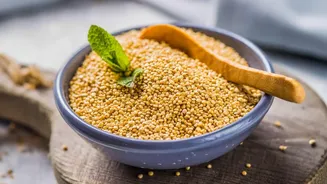
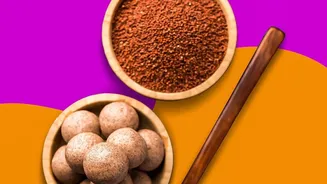
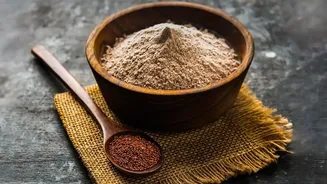
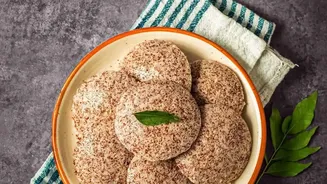
Ragi, also known as finger millet, is an ancient grain that has been a staple in Indian and African diets for thousands of years. This hardy crop is deeply rooted in Indian culinary traditions, especially in the southern states, where it's used to make
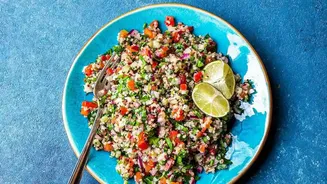
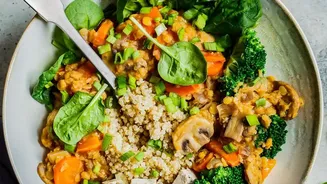
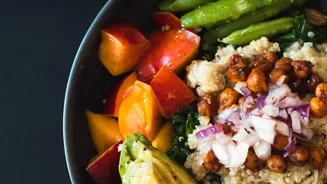
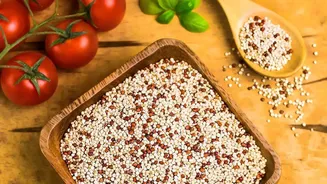
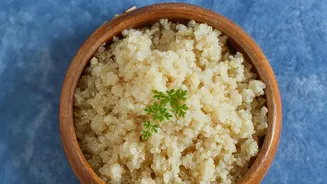
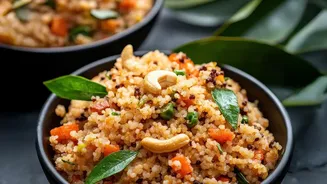
everything from rotis and porridges to dosas. Quinoa, native to the Andean region of South America, was once a sacred crop to the Incas. It has recently gained worldwide fame as a 'superfood' for its impressive nutrient profile and versatility in modern recipes like salads and bowls.
Protein: The Complete vs. The Complementary
Quinoa's main claim to fame is its status as a 'complete protein', meaning it contains all nine essential amino acids the body cannot produce on its own. A 100-gram serving of uncooked quinoa offers a robust 14-16 grams of protein. Ragi contains a respectable 7-10 grams of protein per 100 grams, but it is not a complete protein on its own, as it's lower in the amino acid lysine. However, this is easily solved in a typical Indian meal. When ragi is paired with dal (lentils) or curd, the combination creates a complete amino acid profile, making the meal's protein quality comparable to quinoa.
The Mineral Matrix: Calcium and Iron
This is where ragi truly shines and stands apart. Ragi is an absolute powerhouse of calcium. A 100-gram serving contains approximately 344 mg of calcium, which is over seven times the amount found in quinoa (around 47 mg). This makes ragi an exceptional food for bone health, especially for children, women, and the elderly. When it comes to iron, another critical mineral, the comparison is closer, with some sources giving quinoa a slight edge and others favouring millets like bajra (pearl millet) over quinoa. Both are good sources, but ragi's phenomenal calcium content is its most significant nutritional advantage.
Fibre and Blood Sugar Management
Both grains are excellent for digestive health and managing blood sugar due to their high fibre content and low glycemic index (GI). The GI measures how quickly a food raises blood sugar levels. Ragi has a low GI, and its high concentration of fibre and polyphenols helps slow down starch absorption, preventing sudden sugar spikes. Quinoa also has a low GI of around 53 and is considered a good choice for diabetics. Some studies suggest ragi may have a slight advantage due to its higher fibre content, which promotes a feeling of fullness and aids in weight management.
Practicality: Cost and Culinary Fit
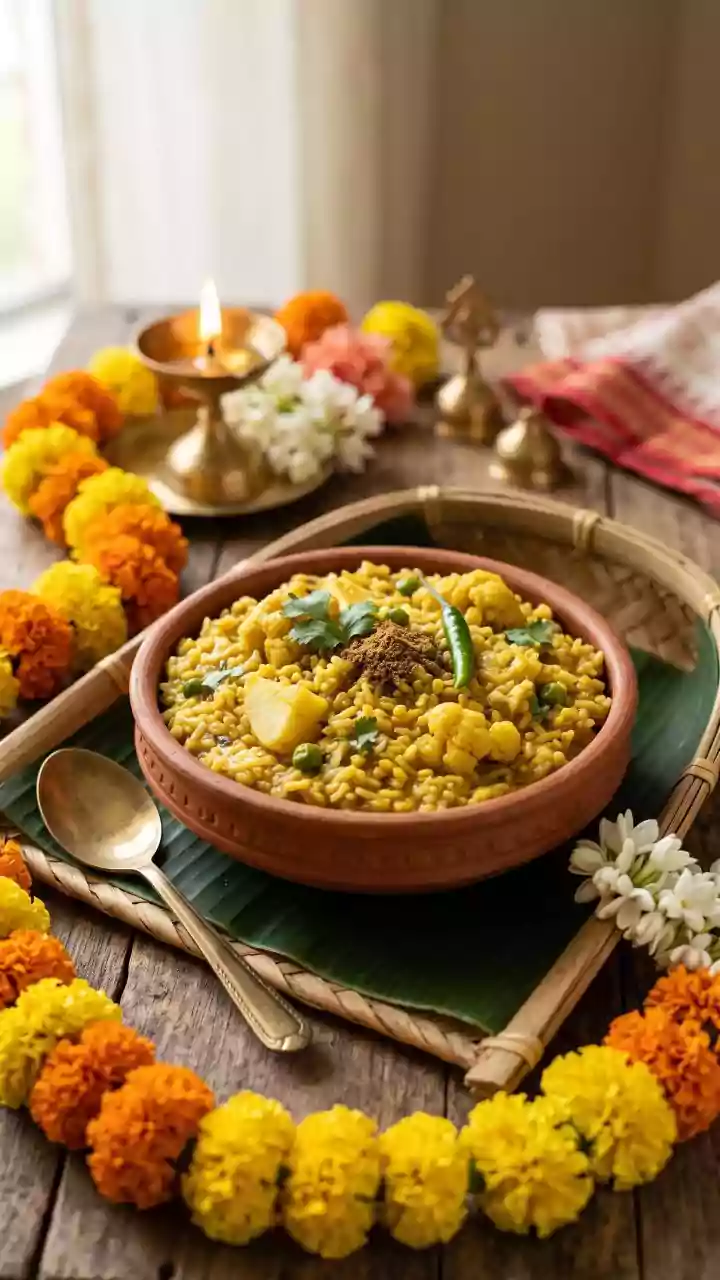
For the Indian household, practicality is key. Ragi is a locally grown crop, making it widely available and significantly more affordable than imported quinoa. This cost difference is substantial, especially for a food staple consumed daily. Furthermore, ragi is already integrated into countless traditional Indian recipes, from ragi mudde in Karnataka to nachni rotis in Maharashtra. While quinoa is versatile, its taste and texture can be unfamiliar to the Indian palate and may require adjustments in the kitchen.