




The Protein Unmasked
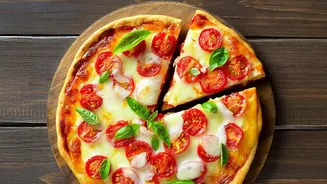
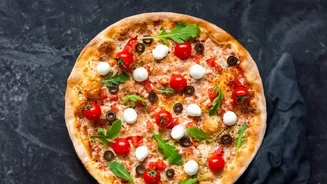
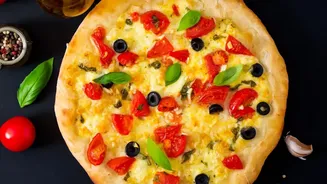
If you've noticed a pizza crust boasting 'high-protein' claims, the ingredient responsible is often a plant-based powder. The most common contender is pea protein isolate. Derived from yellow split peas, this ingredient is at the forefront of a food industry
trend aimed at fortifying everyday meals with extra nutritional value. It's an efficient way to enhance the protein content of foods without drastically changing their core identity, turning a simple pizza base into a more functional meal.
From a Humble Plant to Your Pizza
The journey from a pea in a pod to a powder in your pizza dough is a multi-step process. It begins with harvesting and drying yellow split peas, which are then ground into a fine flour. This flour then undergoes a water-based extraction process, often called wet fractionation, which separates the protein from the starches and fibres. The protein-rich liquid is precipitated, washed, and then typically spray-dried to create the final product: a fine, beige powder with a protein content of around 85-90%. This process makes the protein easy to digest and removes much of the fibrous material that can cause bloating in some people.
Why Put It in Pizza?
There are two main reasons for adding pea protein to a pizza crust: nutrition and function. Nutritionally, it significantly boosts the protein content, which can help increase feelings of fullness and support muscle health. One study found that consuming pea protein before a pizza meal helped reduce overall calorie intake. Functionally, it's a star in gluten-free baking. Gluten provides the structure and chewiness we expect from bread products. In its absence, a crust can become crumbly or dense. Pea protein helps mimic these binding properties, providing a better texture and structure to gluten-free pizza dough.
The All-Important Taste and Texture
Perhaps the biggest question is whether this addition affects the taste of the pizza. High-quality pea protein has a relatively neutral, slightly earthy flavour that is easily masked by the robust taste of tomato sauce, cheese, and other toppings. When used correctly, it is virtually undetectable. However, it can alter the texture. Some find that it makes the crust a bit denser and chewier than a traditional flour-based crust. This isn't necessarily a drawback; many people enjoy the satisfying, hearty bite it provides, which can make the pizza feel more substantial.
A Surprising Nutritional Profile
Pea protein brings more to the table than just protein. It is naturally rich in iron and contains all nine essential amino acids, making it a complete protein source. While it is lower in one amino acid, methionine, compared to whey protein, it is significantly higher in others like arginine, which is beneficial for heart health and blood flow. Furthermore, it is a great hypoallergenic option, as it is naturally free from dairy, soy, and gluten, making it a suitable choice for people with various dietary restrictions or sensitivities.