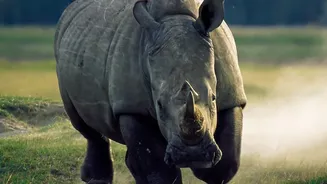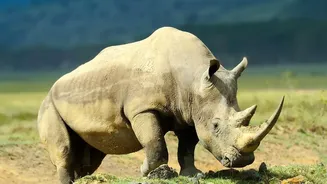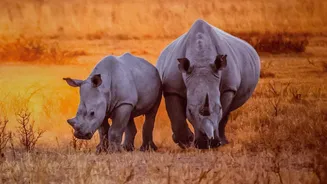





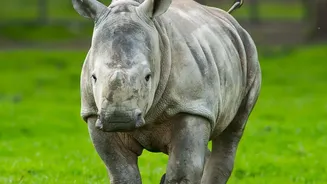
A Journey Four Decades in the Making
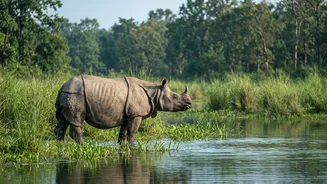
The story of rhinos in Dudhwa is one of ambitious restoration. The species, which once roamed the Terai grasslands of Uttar Pradesh, was locally extinct for nearly a century due to habitat loss and hunting. The reversal of this fate began in 1984 with
a groundbreaking reintroduction program. In a collaborative effort, a small founder population of seven rhinos was carefully translocated from Assam and Nepal into a specially prepared, fenced enclosure within the park. This Rhino Rehabilitation Area (RRA) was designed to give the animals a secure space to adapt and breed, laying the foundation for what has become one of India's most celebrated conservation triumphs.
Building a Thriving Habitat
A key pillar of Dudhwa's success has been intensive habitat management. Rhinos are 'ecological engineers' that thrive in a specific mix of grasslands, wetlands, and forests. Park authorities and their partners, like WWF-India, have worked tirelessly to maintain this delicate balance. The chosen reintroduction area was selected for its numerous lakes and swamps, which provide essential water for drinking and wallowing. Management activities focus on ensuring the grasslands, which can get flooded during monsoons, remain suitable. This includes preventing tall, unpalatable grasses from taking over, ensuring a consistent food supply for the herbivores. The success of the initial 27-square-kilometre RRA led to the creation of a second rhino area in 2018 to manage the growing population and prevent overcrowding.
A Fortress Against Poaching
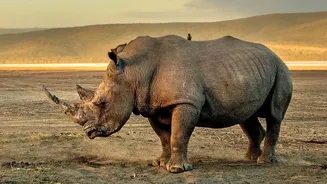
Protection is the other critical component. With rhinos targeted by poachers for their horns, ensuring their safety has been paramount. Dudhwa Tiger Reserve employs a multi-layered security strategy. This includes dedicated anti-poaching patrols conducted by forest rangers, who are often the first line of defence against illegal activities. Technology plays a crucial role, with tools like camera traps and real-time electronic surveillance helping monitor the vast, dense terrain. Every rhino that is released from the enclosures into the wider park is fitted with a radio collar. This allows a dedicated control room to track their movements via VHF and satellite signals, ensuring a rapid response if an animal strays into a high-risk area or shows signs of distress.
From Enclosure to Open Forest
The ultimate goal of the program was always to have a free-ranging population. In a major milestone, the park began releasing rhinos from the safety of the rehabilitation areas into the core of the reserve. Starting in late 2024, several rhinos have been translocated into the wilder parts of Dudhwa. The latest census from June 2026 confirmed a total population of 53 rhinos, a net increase of five from the previous year, even after accounting for natural mortalities. Of these, 11 rhinos now roam freely. This move not only expands their habitat but is crucial for improving genetic diversity by reducing inbreeding. Encouragingly, females released into the wild have already been reported to have given birth, a clear sign they are adapting successfully to their new freedom.