




The Downside of Sugary Drinks
For active individuals, hydration is key, but the source of that hydration matters. Many commercially available sports and energy drinks are loaded with sugar, artificial colours, and preservatives. While they offer a quick energy spike from sugar, it's
often followed by a crash that can hinder performance. High sugar consumption is also linked to increased inflammation, which can delay muscle recovery, and can even interfere with proper hydration. As awareness about metabolic health grows, fitness enthusiasts across India are becoming more conscious of these 'empty calories' and are actively seeking healthier alternatives. The consensus is clear: you can't out-exercise a diet high in sugar.
Herbal Teas: Hydration Plus Benefits
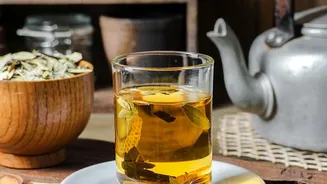
Enter homemade herbal teas. Unlike plain water, which can feel monotonous, herbal infusions offer a delightful variety of flavours, making it easier and more enjoyable to stay hydrated. More importantly, they are naturally free of sugar and calories. But the real advantage lies in their wellness-boosting properties. Many herbs contain phytonutrients, antioxidants, and anti-inflammatory compounds that are particularly beneficial for active bodies. This makes herbal tea not just a source of hydration, but a functional beverage that can actively support fitness goals.
Teas for Peak Performance and Recovery
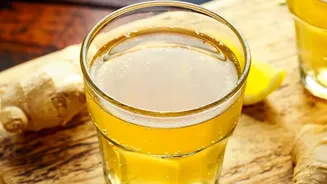
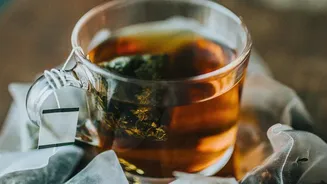
Different herbal teas can be used to target specific fitness needs. Ginger and turmeric teas are powerhouses of anti-inflammatory compounds, making them excellent for reducing post-workout muscle soreness and joint pain. The active compounds in ginger, known as gingerols, can ease muscle aches and improve circulation, speeding up the healing process. Rooibos tea is another star performer, noted for its ability to reduce oxidative stress in muscle tissue and provide essential minerals like magnesium and calcium, which help prevent cramps. For recovery and rest, chamomile is a well-known soother, helping to relax muscles and promote the restful sleep that is crucial for repair and growth. Even green tea, while containing some caffeine, is rich in antioxidants that can boost metabolism and combat exercise-induced stress.
Making Your Own: A Simple Guide
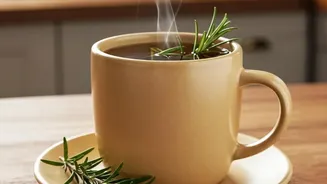
Creating your own hydrating herbal tea is simple and cost-effective. You can use fresh or dried herbs, and the process is the same for both. For a hot brew, simply place your chosen herbs (like fresh ginger slices, a teaspoon of dried peppermint, or a chamomile tea bag) into a cup or pot, pour over hot (not boiling) water, and let it steep for 5-10 minutes. For a refreshing iced tea, brew a concentrated batch, let it cool, and then pour it over a pitcher filled with ice. You can experiment by adding slices of lemon, sprigs of mint, or a small amount of honey for sweetness. The beauty of homemade tea is the ability to control every ingredient, ensuring a pure, healthy drink every time.