

What Exactly Is Khapli Atta?
Khapli atta is flour made from Emmer wheat, known botanically as Triticum dicoccum. It is one of the very first grains domesticated by humans, with a history stretching back over 10,000 years to the Fertile Crescent. In India, where it has been cultivated
for millennia, particularly in regions like Maharashtra, Karnataka, and Tamil Nadu, it is known as Khapli, Samba Godhumai, or Jave Godhi. Unlike modern wheat, which has been extensively bred for high yields and soft textures, Khapli is a 'heritage' or 'ancient' grain. This means its genetic makeup is closer to the wheat our ancestors consumed for centuries. Its re-emergence isn't just about nostalgia; it’s about rediscovering a grain that offers a different, and in many ways richer, nutritional profile.
The Nutritional Advantage
The primary driver behind Khapli's comeback is its impressive nutritional resume. Compared to modern wheat, it is naturally higher in protein and dietary fibre. This high fibre content not only aids digestion but also promotes a feeling of fullness, which can help in weight management. One of its most significant benefits is its lower glycaemic index (GI). Foods with a low GI release sugar into the bloodstream more slowly, preventing the sharp spikes associated with refined flours and making it a more suitable option for individuals managing blood sugar levels. While not gluten-free, Khapli has a different, weaker gluten structure that many people find easier to digest compared to the strong gluten in modern bread wheat. This makes it a gentler option for those with non-celiac gluten sensitivity.
A Grain with Deep Roots
For thousands of years, Khapli was not a specialty item but a staple food in many parts of India. Its resilience made it a reliable crop for farmers, as it could thrive in dry conditions and poor soil where other crops might fail. However, with the Green Revolution in the 1960s and 70s, the focus shifted to high-yield hybrid varieties of wheat. These modern varieties produced softer flour and more voluminous breads, gradually pushing Khapli and other traditional grains to the margins. Once a mainstream grain, Khapli became a 'relict crop,' surviving only in limited, traditional farming communities. Its journey from being everyday food to a forgotten grain, and now back to a celebrated ingredient, mirrors a larger shift in our understanding of food, from pure convenience to holistic nourishment.
The Modern Revival on the Festive Plate
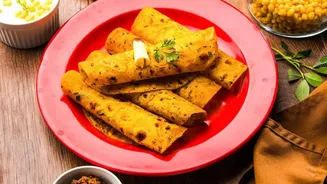
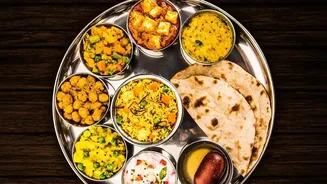
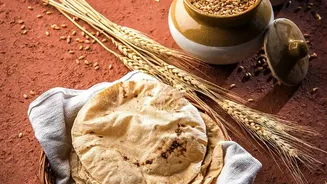
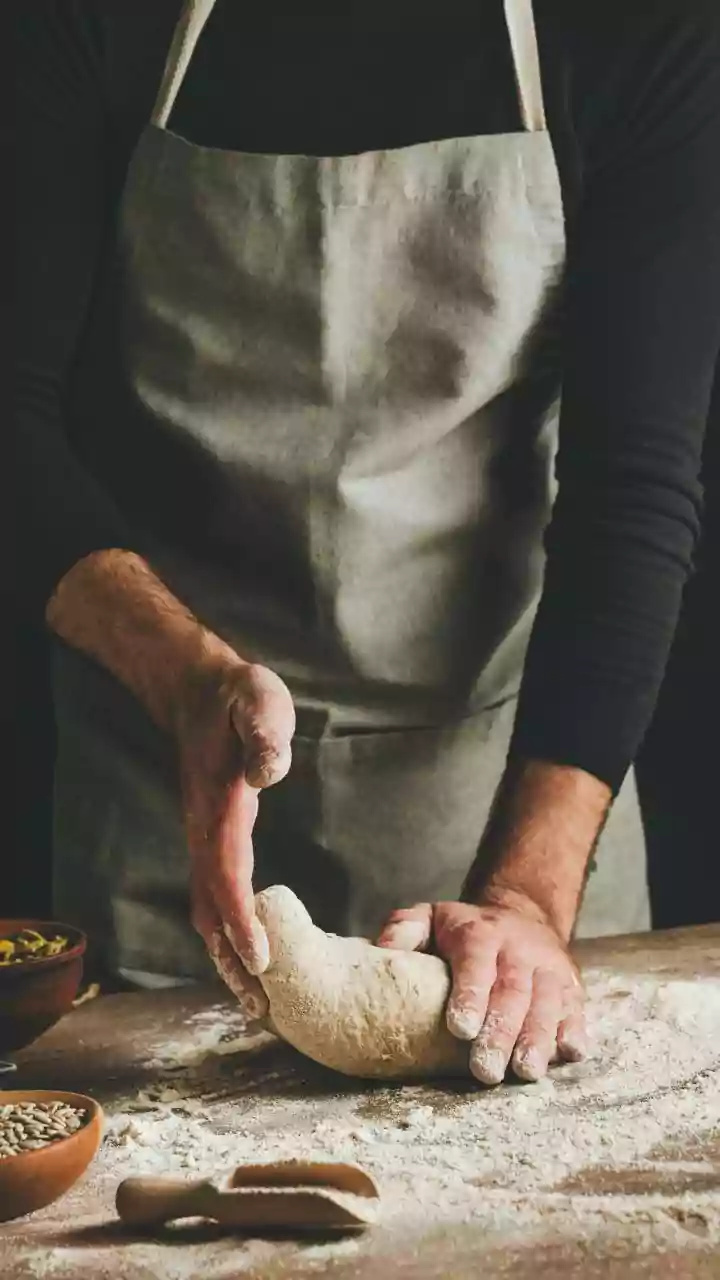
So why is Khapli showing up at celebrations? The trend is fuelled by a growing consciousness around health and a desire to connect with culinary heritage. Urban consumers are increasingly looking for foods that are less processed and more nutritious, even during festive times. But it’s not just about health. Chefs and home cooks are also discovering Khapli's unique culinary properties. Rotis made from Khapli atta have a distinct reddish-golden hue, a coarser, heartier texture, and a rich, nutty flavour that stands up beautifully to festive dishes like rich curries and dals. While the dough is less elastic and requires a gentle hand, the resulting rotis are dense, satisfying, and flavourful. This makes them a perfect addition to a celebration menu, offering a wholesome counterpoint to richer dishes and adding a touch of rustic elegance to the modern plate.