


Start With a Neutral Foundation
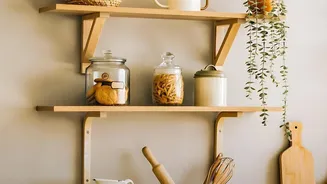
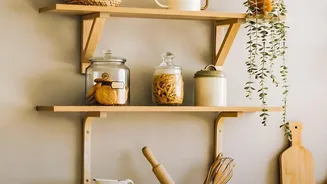
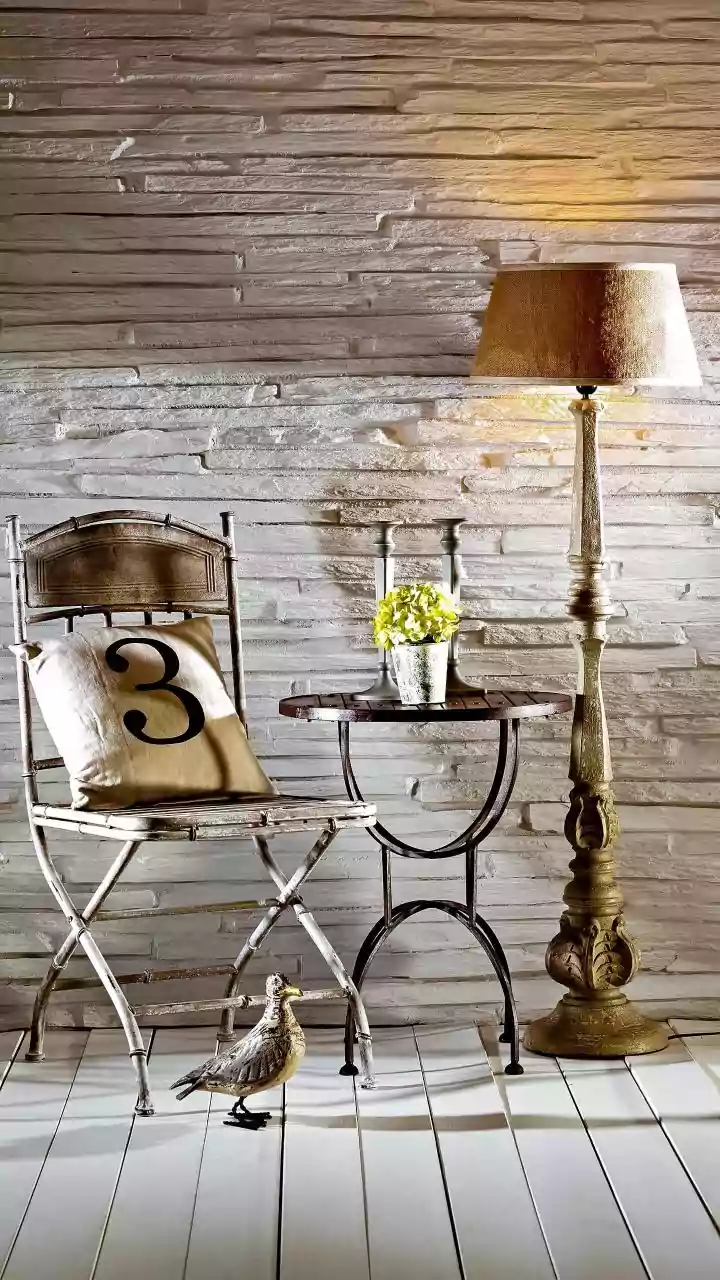
Before diving into bold hues, the key to successfully mixing old and new is to start with a neutral base. Think soft white, cream, or beige walls and natural flooring. This creates a calming backdrop that allows your chosen vintage colours to shine without
competing for attention or making the room feel cluttered. A neutral foundation gives you the freedom to layer in colour through furniture, textiles, and art, ensuring the final look feels intentional and balanced rather than chaotic. This approach allows the character of your vintage pieces and the richness of their colours to become the focal point.
Embrace Mid-Century Modern Earth Tones
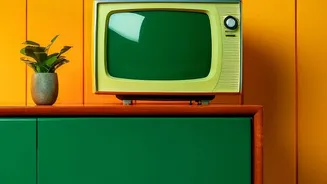
The mid-century modern era (roughly 1940s-1960s) was defined by a sense of optimism and a connection to nature, reflected in its colour palette. This style heavily features warm, earthy hues like mustard yellow, olive or avocado green, burnt orange, and rich browns. These colours are often paired with natural wood tones, especially teak and walnut. To incorporate this look, consider an olive green accent wall or a statement sofa in mustard yellow. For a more subtle approach, use these colours in textiles like cushions and rugs, or through ceramic accessories. The goal is to create a space that feels nostalgic and warm, but not overtly retro.
Channel the Glamour of Art Deco Jewel Tones
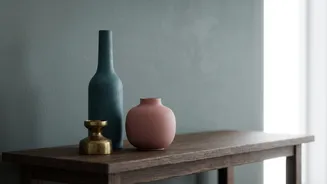
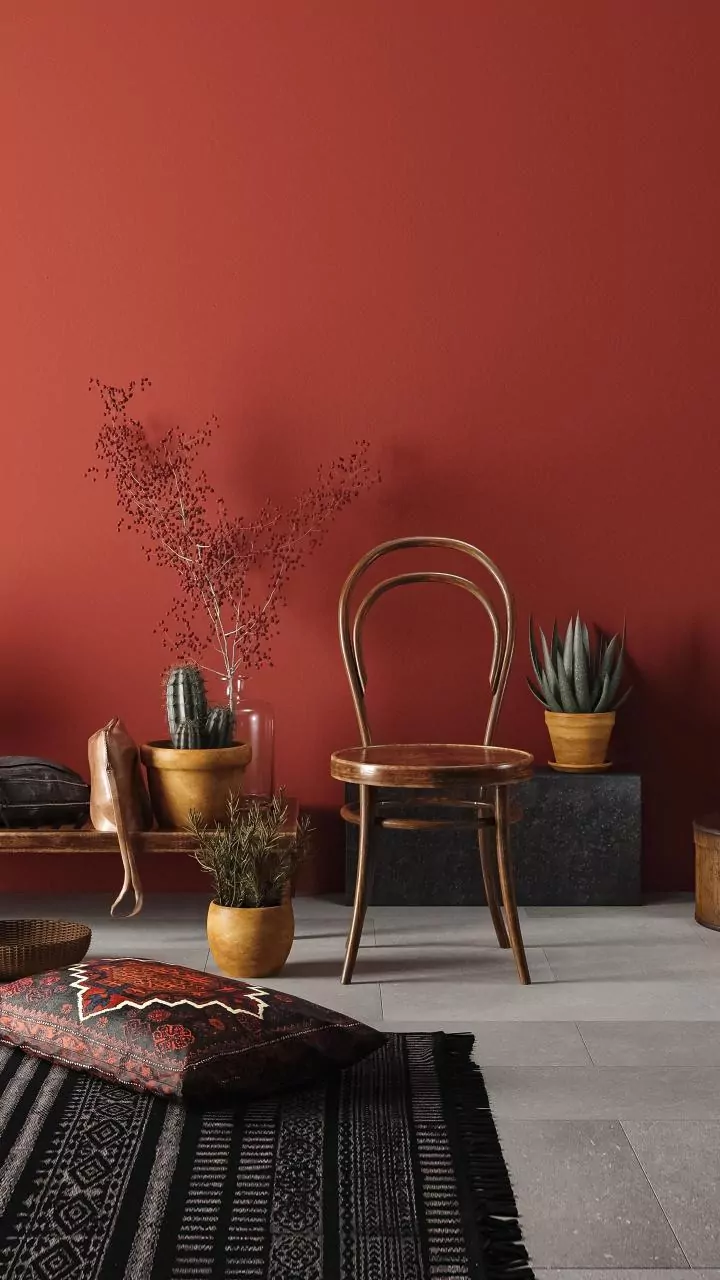
If you want to add a touch of drama and sophistication, look to the Art Deco period of the 1920s. This era was all about glamour and opulence, favouring rich jewel tones. Think deep emerald green, rich navy blue, dark plum, and even deep burgundy. These saturated colours are best paired with metallic accents, particularly burnished gold or unlacquered brass, which adds to the elegance. You can introduce these colours through a velvet armchair, lacquered side tables, or bold patterned wallpaper featuring geometric or fan motifs. Using these shades can make a room feel moody and luxurious.
Get Funky with a 70s-Inspired Palette
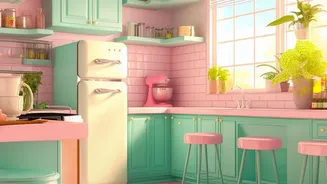
The 1970s saw a departure from the bright psychedelics of the 60s and a move towards a more grounded, natural palette—though still with plenty of personality. The hallmark colours of this decade include avocado green, harvest gold, burnt orange, and chocolate brown. These shades create a vibe that is warm, inviting, and playfully retro. To bring this look into your home today, you can pair earthy greens with wood furniture or use rusty oranges in your textiles. For a bolder take, some designers are even reintroducing splashes of magenta or deep purple. The key is to lean into the nature-inspired coziness of the era.
Use Colour to Unify Your Space
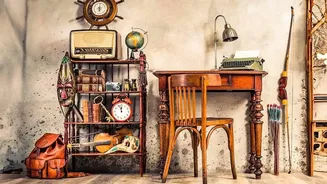
One of the most powerful tools for mixing vintage and modern styles is a consistent colour palette. Choose two or three main colours and use them throughout the room to tie everything together. You can pull a colour from a vintage piece, like a painting or a rug, and repeat it in modern accessories like lamps or throw pillows. Using black or a specific metal finish like brass as a recurring accent can also create a sense of continuity. This strategy helps create a visual flow and makes the combination of different styles feel harmonious and thoughtfully curated, rather than a random collection of items.