






As married women prepare for Karwa Chauth, the focus often falls on its most demanding aspect: the 'nirjala' (waterless) fast. But how does this traditional waterless fast truly differ from popular dietary fasts like intermittent fasting? The answer lies
in purpose.
The Essence of a Nirjala Vrat
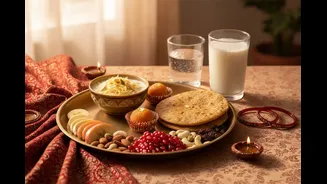
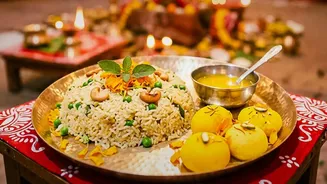
Karwa Chauth is a day-long fast observed by married Hindu women for the longevity and well-being of their husbands. Its most defining feature is the 'nirjala vrat', a strict observance that prohibits the consumption of both food and even a single drop of water from sunrise until moonrise. The fast begins before dawn with a meal called 'sargi', traditionally provided by the mother-in-law, which is meant to provide sustenance for the long day ahead. The day is spent in prayer and community, culminating in an evening puja and the sighting of the moon. Only after offering 'arghya' (a water offering) to the moon and viewing it through a sieve do women break their fast, typically with a sip of water and a bite of food offered by their husbands.
A Test of Devotion and Discipline
The refusal of water is not a dietary choice but a form of spiritual austerity and devotion. The practice is rooted in Puranic legends, such as the story of Queen Veervati, who was tricked into breaking her fast early, leading to tragic consequences until she observed the fast again with full, strict devotion. This narrative underscores the importance of unwavering discipline. By enduring the physical hardship of thirst and hunger, a woman expresses her deep love, sacrifice, and commitment. The difficulty of the fast is central to its spiritual significance; it's a testament to mental strength and faith, where the physical discomfort is secondary to the spiritual goal.
Dietary Fasts: A Focus on Health and Hydration
In stark contrast, modern dietary fasting methods like intermittent fasting, water fasting, or time-restricted eating are primarily wellness strategies. These fasts are designed to achieve health benefits such as weight management, improved metabolic health, or cellular repair through a process called autophagy. Far from prohibiting water, these methods actively encourage hydration. Drinking water and other non-caloric beverages is considered essential to regulate body temperature, aid digestion, and prevent the side effects of dehydration while the body is in a fasting state. The focus is entirely physiological: using controlled periods of not eating to improve bodily functions, not as a spiritual test.
Purpose Defines the Rules
Here lies the fundamental difference. The 'why' behind the fast dictates the 'how'. For Karwa Chauth, the purpose is spiritual and relational. Abstinence, including from water, is the very tool of devotion. For dietary fasting, the purpose is physiological. Hydration is a necessary tool to ensure the fast is safe and effective. While a 'nirjala' fast can cause dehydration, headaches, and fatigue, these are often viewed as part of the spiritual trial. In dietary fasting, such symptoms would be a sign to re_evaluate the approach and increase fluid intake immediately.
Modern Adaptations and Health Considerations
In contemporary times, the rigid rules of Karwa Chauth are sometimes adapted for practical health reasons. Health experts often advise pregnant women, those with medical conditions like diabetes or blood pressure issues, and the elderly to avoid a strict 'nirjala' fast. In many families, it's now acceptable for these women to observe the fast by consuming water, fruits, or coconut water. This evolution shows a growing recognition that while devotion is paramount, it shouldn't come at the cost of health. These modified fasts still maintain the spirit of the ritual—prayer and intention—while acknowledging the body's physical needs, bringing them slightly closer to the health_conscious principles of dietary fasts, but without losing their cultural soul.