






The Classic Fresh Pairing: A Study in Contrast
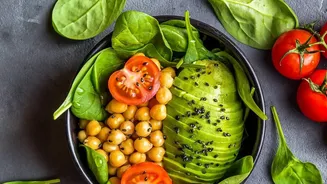
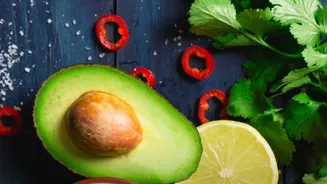
When served raw, avocado and tomato are a perfect example of how opposites attract. The avocado brings a creamy, rich texture and a mild, buttery flavour. Its high-fat content coats the palate, creating a smooth and satisfying mouthfeel. On the other
side, fresh tomatoes offer a burst of juicy acidity and a bright, slightly sweet taste. This acidity cuts through the richness of the avocado, preventing it from feeling heavy and cleansing the palate for the next bite. It's a dynamic contrast—the mellowing effect of the fat against the sharp, refreshing notes of the acid—that makes a simple tomato and avocado salad so much more than the sum of its parts.
The Science of Flavour and Feel
Digging a little deeper, the science reinforces what our taste buds already know. Ripe tomatoes are rich in glutamic acid, the compound responsible for the savoury taste known as umami. While this is more pronounced in cooked tomatoes, even raw ones carry this foundational flavour note. Avocados, meanwhile, contribute a unique flavour profile derived from various aroma compounds, which can range from nutty to grassy depending on ripeness. The fats in avocado also play a crucial role in flavour perception. They help carry and distribute the fat-soluble flavour compounds from both the tomato and the avocado itself, creating a fuller, more rounded taste experience.
Turning Up the Heat: How Cooking Transforms Tomatoes
When you introduce heat, the relationship between avocado and tomato evolves. Cooking fundamentally changes the tomato. As tomatoes are roasted, stewed, or grilled, their water content reduces, and their natural sugars begin to caramelise. This process, along with the Maillard reaction, deepens their flavour, softening the sharp acidity and dramatically boosting their umami characteristics. The glutamic acid becomes more concentrated and pronounced, transforming the tomato from a bright, fresh ingredient into a complex, savoury, and almost meaty flavour base. Think of the deep, satisfying taste of a slow-cooked tomato sauce or a jammy roasted cherry tomato—that's the power of heat at work.
Avocado’s Role in Warm Dishes
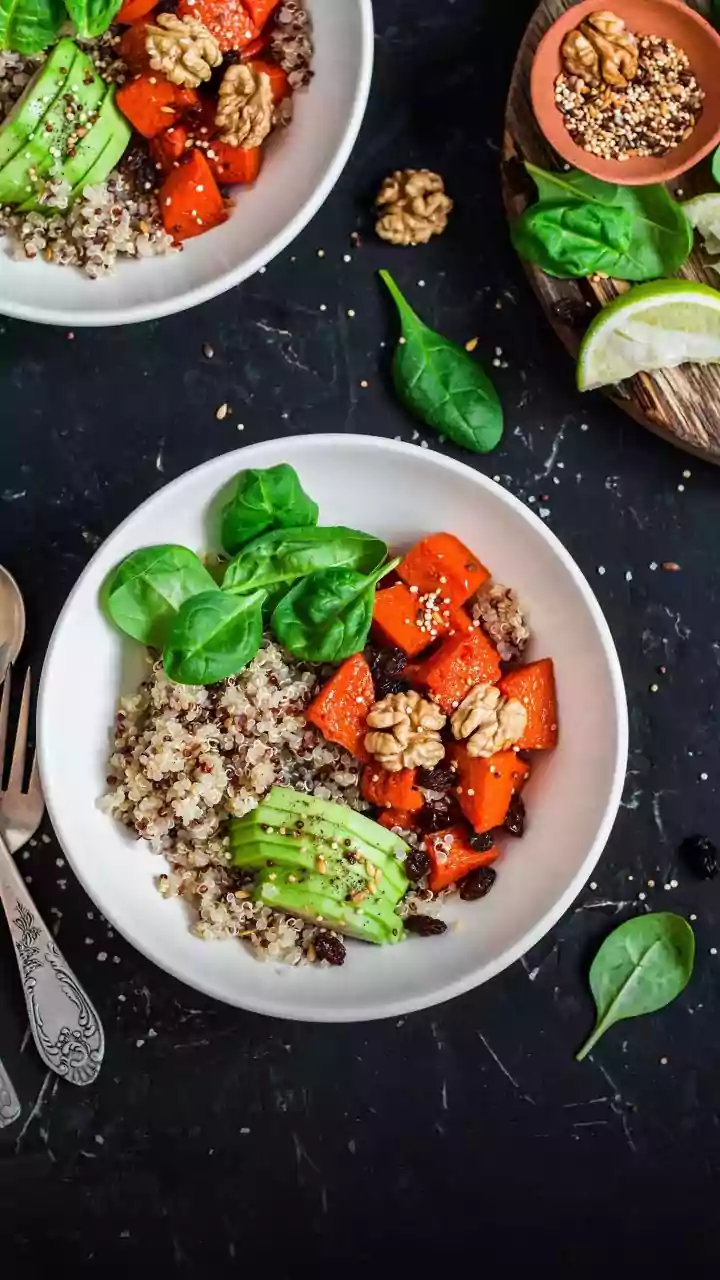
So where does avocado fit in with this intensified tomato flavour? While you generally want to avoid cooking avocado for long periods, as it can become bitter, it serves as the perfect finishing touch to warm dishes. When added at the end, cubes of fresh avocado provide a cool, creamy counterpoint to the hot, savoury depth of cooked tomatoes. Imagine a scoop of fresh avocado on a hearty tomato soup, or sliced avocado over a pasta with a rich tomato ragu. It balances the dish by reintroducing a fresh element and a luxurious texture that complements the cooked tomato's robust flavour. Lightly warming the avocado, for instance by grilling it briefly or stirring it into a warm grain bowl, can also work well, bringing out a subtle nuttiness without sacrificing its texture.
A Nutritional Power Duo
Beyond just taste, this pairing is a nutritional powerhouse. Tomatoes are famously rich in lycopene, a powerful antioxidant. Lycopene is fat-soluble, which means your body needs fat to absorb it effectively. This is where avocado shines. The healthy monounsaturated fats in avocado significantly increase the absorption of lycopene, with some studies suggesting it could be boosted by up to four times. Similarly, the fat in avocados helps the body absorb the provitamin A found in tomatoes, converting it into the essential vitamin A. So, when you eat them together, you're not just getting the individual benefits of each; you're unlocking greater nutritional value through their synergy.