


The Science of a Flavour Sponge
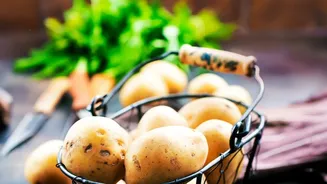
What makes a potato so adept at capturing flavour? The answer lies in its cellular structure and high starch content. Potatoes are packed with starch granules. When you cook a potato, the heat causes these granules to absorb the surrounding moisture,
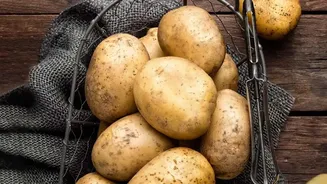
swell, and eventually burst. This process, known as gelatinization, breaks down the potato's rigid cell walls, creating a softer, more porous texture. High-starch potatoes like Russets become particularly fluffy and crumbly when cooked, creating countless microscopic nooks and crannies. These spaces are perfect for trapping oil, butter, and seasonings, allowing flavours to penetrate deeper than they would on a smooth, non-porous surface.
Why Delicate Vegetables Differ
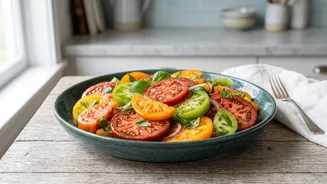
In contrast, more delicate vegetables often have a much higher water content and less starch. Think of zucchini, cucumber, or leafy greens. Their cells are already full of water, which leaves little room for oils or marinades to seep in. When cooked, they tend to release moisture, essentially steaming themselves and pushing seasonings away from the surface rather than drawing them in. Waxy potatoes, which are lower in starch and higher in moisture, hold their shape better when cooked but are also less absorbent than their high-starch counterparts. This makes them ideal for potato salads where you want the pieces to remain firm, but less so for dishes where deep flavour absorption is the goal.
Cooking Methods to Maximise Flavour
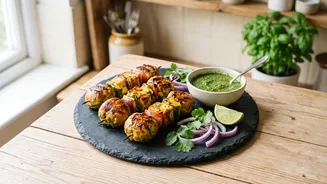
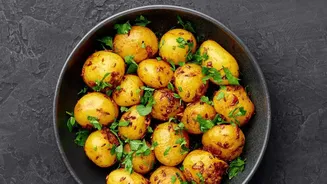
How you cook your potatoes can dramatically influence their ability to absorb seasoning. Roasting at a high heat is particularly effective. The dry heat helps to dehydrate the potato's exterior, enhancing the formation of a crispy, porous crust that clings to spices. To take this even further, a technique called parboiling can make a huge difference. Boiling the potatoes for a short time before roasting roughs up the surface, creating an even greater surface area for seasonings to adhere to. Adding a pinch of baking soda to the boiling water can also help break down the potato's surface pectin, leading to an exceptionally crunchy and flavourful result. Frying works similarly, with the hot oil dehydrating the exterior to create a flavour-trapping crust.
Seasoning with Confidence
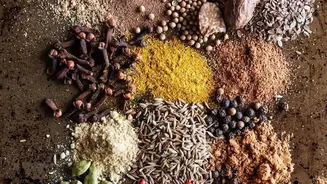
Because of their neutral taste profile and absorbent nature, potatoes are the perfect vehicle for powerful seasonings. Don't be shy with aromatic and potent spices. Garlic powder, onion powder, and smoked paprika are a classic trio that provides a deeply savoury base. Hardy herbs like rosemary and thyme release their essential oils when roasted, infusing the potatoes with a wonderful fragrance. For a bit of a kick, chilli powder or chipotle powder can be added to your spice mix. Even pre-made seasoning packets, like those for tacos or ramen, can be repurposed to give your potatoes an instant and powerful flavour boost. The key is to toss the potatoes generously with both oil and your chosen seasonings before cooking to ensure an even and delicious coating.