





The 'Phantom Braking' Probe
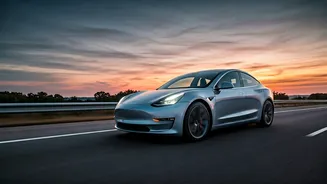
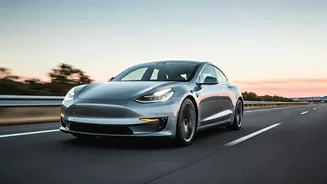
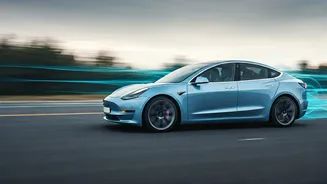
The U.S. National Highway Traffic Safety Administration (NHTSA) has officially closed a preliminary evaluation that began in early 2022. The investigation focused on an issue widely known as "phantom braking," where a vehicle unexpectedly decelerates
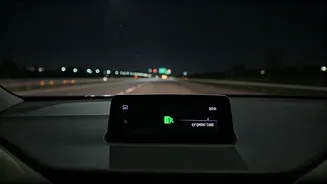
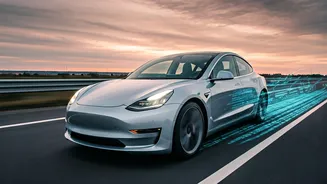
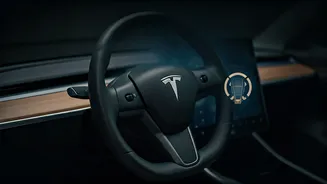
at highway speeds without any obvious reason. It covered nearly 700,000 Tesla Model 3 and Model Y vehicles from the 2021 and 2022 model years. Drivers reported their cars suddenly slowing down by 10-20 mph while using driver-assistance features like Autopilot or Traffic-Aware Cruise Control, creating a startling experience and potential hazard.
A Surge and a Software Shift
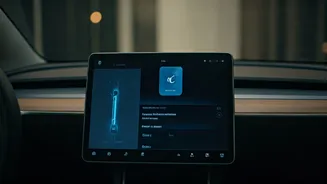
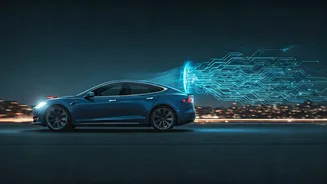
The investigation was launched after complaints surged, climbing from just under 100 at the end of 2021 to over 300 by February 2022. Many safety analysts and even NHTSA itself pointed to a likely culprit: Tesla's 2021 transition from a sensor system that used both radar and cameras to one that relied on cameras alone. The theory was that this new "vision-only" system was occasionally misinterpreting shadows or other harmless road phenomena as obstacles, triggering the brakes. Most incidents were reported in sunny conditions where shadows were crossing the road. In response, Tesla did not issue a formal recall but instead rolled out a series of over-the-air (OTA) software updates in early 2022 aimed at refining the system and curbing the sudden braking events.
The Numbers Take a Dive
The data shows that Tesla's software fixes appear to have worked. After peaking in 2022, the number of complaints plummeted dramatically. According to NHTSA's filings, reported incidents fell to 45 in 2024, dropped further to 19 in 2025, and numbered only three in the first half of 2026. This steep decline was the primary driver behind the regulator's decision to close the probe. The agency concluded that the issue posed a "low demonstrated safety risk," noting that throughout the entire investigation, no crashes, injuries, or fatalities were tied to the phantom braking events. Regulators also found that the deceleration was not severe enough to cause vehicles to lose control or create a significant risk of a rear-end collision.
What This Means for Tesla and Its Owners
The closure of the investigation is a significant win for Tesla, removing a regulatory overhang that had persisted for years and reducing the risk of a costly recall. For Tesla owners, it suggests that the phantom braking issue that plagued earlier software versions has been largely resolved. However, NHTSA noted that closing the preliminary evaluation does not mean a safety defect has been ruled out entirely. The agency retains the right to take further action if circumstances change. This case sets a fascinating precedent for the era of software-defined vehicles, where critical safety functions can be altered remotely. It demonstrates a new dynamic where a company can address a potential fleet-wide defect through software patches, and regulators may close a probe based on the resulting drop in consumer complaints rather than through a more traditional recall process.