




An Ambitious National Program
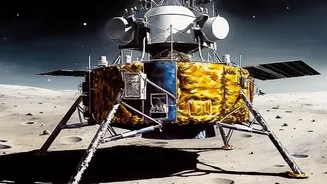
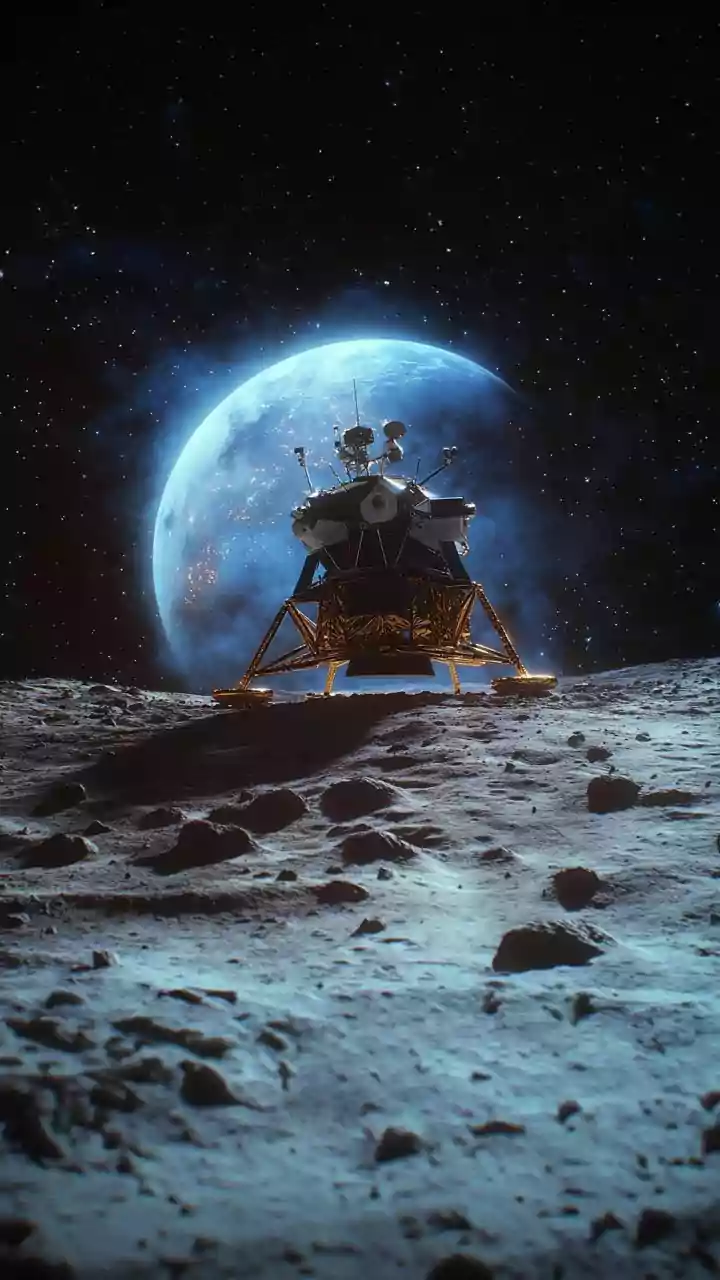
Turkey has rapidly accelerated its space ambitions since establishing the Turkish Space Agency (TUA) in 2018. In 2021, the government unveiled a 10-year National Space Program with a clear set of ambitious goals. These include landing a spacecraft on the Moon,
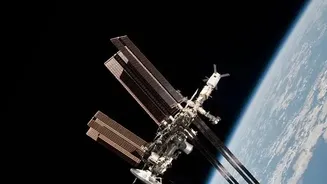
developing a domestic satellite brand, building a spaceport, and sending a Turkish citizen on a scientific mission to space. The country has already achieved significant milestones. In early 2024, Alper Gezeravcı became the first Turkish astronaut to visit the International Space Station. Furthermore, Turkey is developing its own communications satellites and Earth observation capabilities, aiming for greater technological independence. A key objective is the Lunar Research Program (AYAP), which aims for a hard landing on the Moon in 2027, followed by a soft landing with a rover in the 2030s.
Joining the Artemis Accords
In a significant policy decision, Turkey officially signed the Artemis Accords on August 31, 2026, becoming the 71st signatory. This U.S.-led framework outlines a set of non-binding principles for peaceful and transparent civil space exploration, based on the 1967 Outer Space Treaty. By joining, Turkey aligns itself with a broad coalition of nations committed to cooperation on future missions to the Moon, Mars, and beyond. The signing ceremony at NASA headquarters was attended by high-level officials, including Turkey's Minister of Industry and Technology, who highlighted the move as the start of a new era for the country's space program. For NASA and its partners, Turkey’s inclusion is seen as strengthening the international coalition for a rules-based order in space. Signatories are invited to contribute hardware, scientific payloads, and other capabilities to future Artemis missions, opening new avenues for Turkish industry and science.
A Complicated Balancing Act
Turkey's decision to join the Artemis Accords is particularly noteworthy given its previous signals toward other international partnerships. Prior to this, in April 2024, Russian officials confirmed that Turkey had applied to join the International Lunar Research Station (ILRS), a competing lunar base project led by China and Russia. This move was seen as part of Turkey's broader foreign policy strategy of maintaining relationships with multiple global powers. While some nations, like Thailand, are part of both the ILRS and Artemis Accords, the two frameworks are often viewed as representing competing visions for the future of space governance. Turkey's deeping cooperation with U.S.-based companies like Axiom Space on commercial space station development, alongside its interest in the ILRS, showcases this diplomatic tightrope walk. This multi-alignment allows Turkey to keep its options open, pursuing technological and scientific benefits from different blocs.
The European Connection and Future Steps
Beyond the major global blocs, Turkey has a long-standing, albeit not fully integrated, relationship with the European Space Agency (ESA). A cooperation agreement has been in place since 2004, facilitating collaboration in areas like Earth observation and satellite navigation. However, Turkey is not a full member state of ESA, though assessments regarding potential membership have been ongoing since 2020. As it builds its domestic capabilities, including a planned spaceport in Somalia to gain independent launch access, Turkey is positioning itself as a more valuable partner. The country is also set to host the prestigious International Astronautical Congress in October 2026, further cementing its presence on the world stage. This event will provide a major platform for Turkey to showcase its progress and define its role as a key bridge between established and emerging space powers.