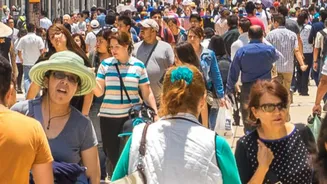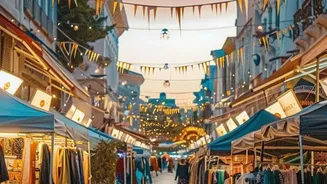




There's a simple magic in strolling down a bustling street, free from the noise and rush of traffic. Around the world, cities are rediscovering this charm, creating pedestrian-friendly zones that transform shopping from a task into an experience.
The Appeal of Going Car-Free
Reclaiming
streets for people isn't just about pleasant walks; it's a recipe for a healthier, more vibrant city. Studies and real-world examples show that pedestrian zones can lead to cleaner air, safer public spaces, and even economic growth. When shops open onto walkways filled with foot traffic instead of cars, it encourages browsing, outdoor dining, and a sense of community. These spaces become destinations in themselves, fostering social interaction and encouraging healthier lifestyles through walking and cycling. From improving air quality to boosting local business, the benefits are clear and compelling.
Strøget, Copenhagen: The Pioneer
Often hailed as one of Europe's longest and oldest pedestrian shopping areas, Strøget in Copenhagen is more than just one street; it's a network of car-free thoroughfares stretching 1.1 kilometres through the city's heart. Its name literally translates to 'to stroll'. Pedestrianised as a controversial experiment back in 1962, its success became a blueprint for urban planners worldwide. Today, the street is a lively artery, connecting City Hall Square to King's New Square. It's lined with everything from high-street fashion chains to luxury brands and historic department stores, proving that prioritising pedestrians can create a world-class commercial hub.
The Shambles, York: A Walk Through History
To walk down the Shambles in York, England, is to step back into the Middle Ages. Arguably the best-preserved medieval street in the world, its origins are mentioned in the Domesday Book of 1086. The street is famous for its timber-framed buildings with overhanging upper floors, some dating back to the 14th century. This quirky architecture had a practical purpose: it sheltered the street below and kept the sun off the butchers' stalls that once lined the lane. Though the butchers are now mostly gone, the narrow, winding street is so close in places you can almost touch both sides at once, offering an unforgettably atmospheric shopping experience filled with unique independent shops.
Rue Mouffetard, Paris: The Market Atmosphere
Nestled in the Latin Quarter, Rue Mouffetard offers a slice of authentic Parisian life. This ancient, cobblestoned street, once part of a Roman road, transforms daily from a bustling morning market to a vibrant hub of restaurants and cafés by evening. It's celebrated for its village-like feel, where locals and tourists alike browse stalls overflowing with fresh produce, cheeses, and baked goods. The writer Ernest Hemingway, a former resident, famously captured its lively character in 'A Movable Feast'. While its name might derive from an old French word for 'pestilential smells' due to medieval tanners, today it's known for far more appetising aromas and a timeless charm.
De Negen Straatjes, Amsterdam: The Boutique Haven
In Amsterdam, 'De Negen Straatjes' or 'The Nine Streets' offers a shopping experience defined by independence and style. This picturesque neighbourhood consists of nine small streets that crisscross the city's main canals, linking the grand waterways with a grid of retail charm. Since the 1990s, this area has cultivated a reputation as a haven for those seeking alternatives to mainstream brands. Here, you will find a dense concentration of independent boutiques, vintage clothing stores, specialty food shops, and design galleries. The area's historic 17th century architecture provides a stunning backdrop, making it a perfect place to get lost for an afternoon of discovery.
Hosier Lane,' Melbourne:' The Urban Art Gallery
Not all great pedestrian streets are about traditional shopping. Melbourne's Hosier Lane is a world-'renowned destination for street art. This cobbled laneway in the city's central business district became a de facto open-'air gallery in the late 1990s,' where artists can paint freely. The result is a vibrant,' ever-'changing canvas of murals,' stencils,' and graffiti that reflects the city's dynamic cultural pulse.' The artwork is constantly evolving,' with new pieces painted over old ones,' making every visit unique.' While it has faced challenges,' it remains a powerful example of how a pedestrian space can become a living cultural landmark,' attracting tourists,' photographers,' and art lovers daily.