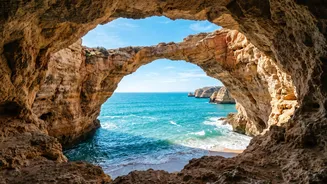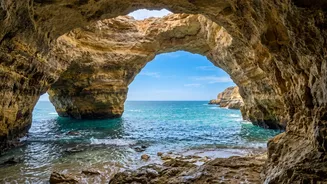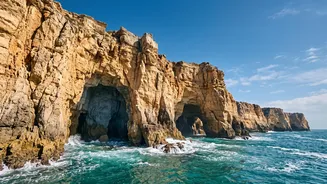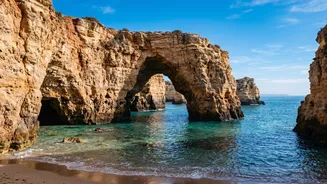





The Algarve’s coastline is a masterpiece of nature, where golden cliffs hide some of the world's most breathtaking sea caves. But their soaring popularity brings challenges, making responsible tourism more crucial than ever to protect this magic.
The Allure of the Golden Coast
Portugal's
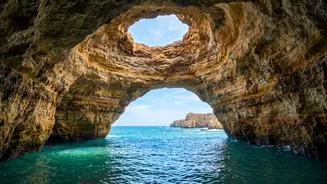
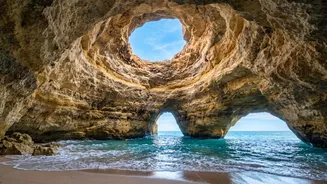
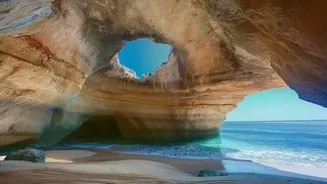
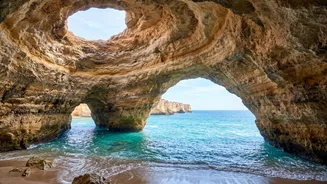
Algarve coast is defined by its dramatic limestone cliffs and turquoise waters. Tucked within this landscape are dozens of sea caves, carved over millennia by wind and waves. The most famous of these is the Algar de Benagil, often called the Benagil Cathedral. Its iconic feature is a circular hole in the ceiling—a natural skylight that illuminates a hidden beach inside, creating a scene of otherworldly beauty. Boat tours, kayaks, and stand-up paddleboards flock to this spot, all vying for a glimpse of the spectacle. But Benagil is just one gem among many. From the arches of Praia da Marinha to the extensive grotto network at Ponta da Piedade in Lagos, the entire coastline is a treasure trove for explorers. The allure is undeniable: gliding on calm waters, entering a hidden world of sculpted rock, and witnessing the raw power of nature.
The Strain of Popularity
The very beauty that draws millions to the Algarve also places its delicate environment under immense pressure. The boom in tourism, particularly around hotspots like Benagil, has led to significant challenges. High volumes of boat traffic cause noise pollution and can disturb marine life. Overcrowding inside the caves not only diminishes the experience but also raises safety concerns and accelerates erosion of the soft sandstone. Furthermore, the broader impact of mass tourism is felt across the region, from increased waste production—with tourists producing double the waste of locals—to the strain on precious water resources in a region prone to drought. In response, authorities have implemented new rules, such as banning swimming into Benagil Cave and prohibiting landing on its internal beach to mitigate risks and preserve the site.
What Responsible Tourism Looks Like Here
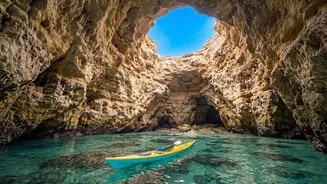
Being a responsible tourist in the Algarve means making conscious choices that help preserve its natural beauty for the future. The core principle is 'leave no trace'. This extends beyond not leaving litter; it's about minimizing your entire footprint. One of the most significant choices you can make is your tour operator. Look for companies that prioritize sustainability. This can mean choosing tours with smaller group sizes to reduce crowding, or opting for eco-friendly vessels like solar-powered electric boats, which produce zero emissions and operate quietly, minimizing disturbance to wildlife. Kayaking and guided stand-up paddleboarding are also lower-impact ways to explore, allowing you to access smaller nooks without a motor. Responsible travel also means respecting local regulations, listening to your guides, and never touching or disturbing wildlife.
How to Choose Your Adventure Wisely
When planning your visit, a little research goes a long way. Instead of booking the first tour you see, ask questions. Does the company have a stated environmental policy? Are their guides local and certified? Do they contribute to local conservation efforts? Many operators now proudly advertise their eco_credentials. Consider the type of experience you want. A speedboat tour is fast and covers more ground, but a larger catamaran may be more comfortable, though it might not enter the caves directly. A guided kayak or SUP tour offers a more intimate and adventurous experience. To avoid the worst crowds at famous spots like Benagil, try to book a tour for the very first slot in the morning or later in the afternoon. Travelling in the shoulder seasons, like spring and autumn, also provides a more relaxed experience with fewer people.
Beyond Benagil: Discovering Other Wonders
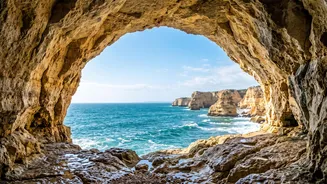
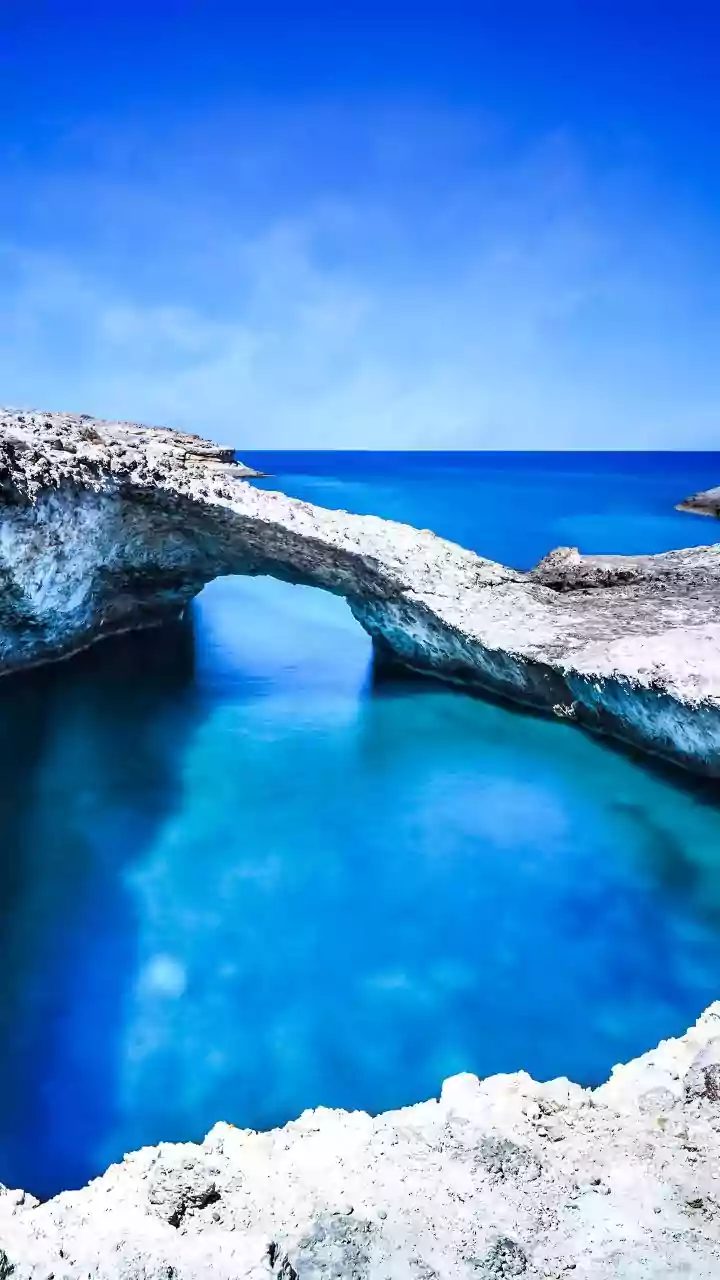
While Benagil is the star, dispersing tourism along the coast is key to sustainability. The Algarve has hundreds of other caves, many of which are just as stunning but far less crowded. Consider a trip to the Ponta da Piedade near Lagos, renowned for its cluster of incredible formations, arches, and grottoes best explored by a small boat. The area around Carvoeiro, including Algar Seco, offers dramatic cliffs and walk_through tunnels. Some tour operators specifically visit lesser_known but equally beautiful caves like Gruta da Corredoura or Gruta da Mesquita, which are right next to Benagil but often overlooked. By venturing beyond the most famous Instagram spot, you not only get a more unique and peaceful experience but also help relieve the pressure on the Algarve’s most fragile icon.