



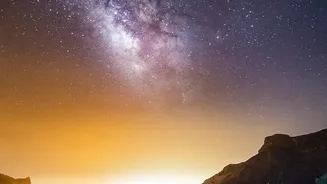
What Exactly Is Dark-Sky Tourism?
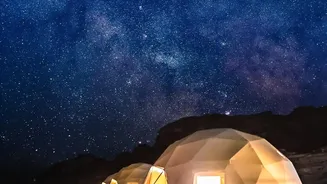
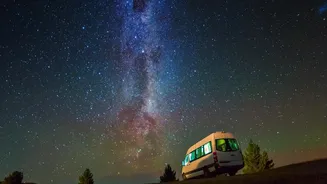
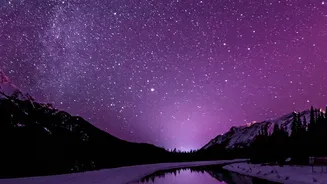
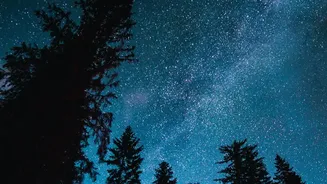
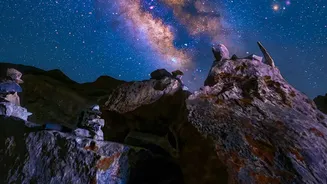
Dark-sky tourism, often called astrotourism, is the practice of travelling to locations with minimal artificial light pollution to experience the night sky in its full, unobscured glory. As urban and suburban light pollution spreads, it's estimated that
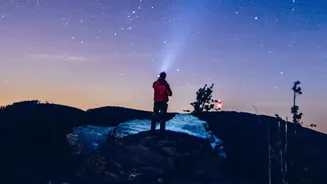
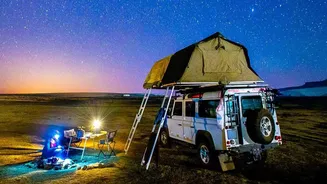
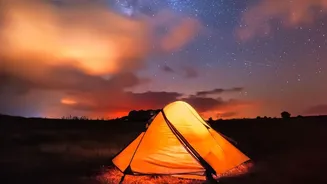
a vast majority of people in Europe and North America can no longer see the Milky Way from their homes. This has fuelled a desire to visit places where the celestial theatre is still on full display. These destinations are often remote, officially designated areas known as Dark Sky Parks, Reserves, or Sanctuaries, which are committed to preserving natural darkness. But it's more than just stargazing; it encompasses a range of night-time activities, from moonlit hikes to nocturnal wildlife tours, all designed to foster a deeper appreciation for the night.
A Classroom Under the Cosmos
One of the most powerful aspects of dark-sky tourism is its inherent link to science education. These trips offer a living laboratory for astronomy, moving the subject from textbooks to a direct, awe-inspiring experience. Visitors can learn to identify constellations, witness meteor showers, and see galaxies with their own eyes, often with guidance from local experts or astronomers. Many dark-sky parks host educational workshops and public science programs, inspiring a new generation of scientists. This hands-on learning promotes scientific literacy in an engaging way, as astronomy is a subject that often generates universal enthusiasm. It's an opportunity to understand our place in the universe by simply looking up.
Beyond Astronomy: The Ecological Lesson
The science lesson doesn't end with the stars. A core principle of the dark-sky movement is understanding the harmful effects of light pollution on the environment. Artificial light at night disrupts entire ecosystems, affecting the behaviour of countless species. Migratory birds that navigate by the stars can become disoriented. The hunting and mating patterns of nocturnal animals are thrown off, and even the pollination of plants can be reduced. By travelling to and supporting areas that actively combat light pollution, tourists learn about the biological necessity of darkness. This form of travel raises awareness about how responsible lighting isn't just for better stargazing—it's crucial for wildlife protection and restoring ecological balance.
The Pillars of Responsible Travel
Dark-sky tourism is, by its nature, a model for responsible travel. It encourages visiting less-crowded rural areas, which helps disperse the economic benefits of tourism and can help counter depopulation. Since stargazing is best in cooler, clearer months, it also helps combat the problem of seasonal tourism by creating year-round attractions. To become a certified dark-sky place, communities must adopt principles of responsible outdoor lighting, which reduces energy waste and carbon emissions. Furthermore, this travel trend often creates sustainable economic growth by employing local guides and supporting businesses that respect the natural environment. It’s a form of tourism where the main attraction—darkness—is preserved, not consumed.
India's Beacon: The Hanle Dark Sky Reserve
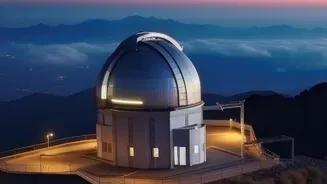
For those in India, this global trend has a spectacular local example: the Hanle Dark Sky Reserve in Ladakh. Officially designated in 2022, it is the country's first such reserve, located in the remote Changthang region. Situated at a high altitude with clear skies, Hanle is already home to the Indian Astronomical Observatory. The establishment of the reserve was a joint effort to protect this prime scientific site from light pollution while also fostering local development. The initiative promotes astro-tourism by training local villagers to be astronomy guides, who show visitors celestial wonders through telescopes. This provides a sustainable source of income for the community while ensuring the pristine skies are protected for both scientific research and future generations of stargazers.