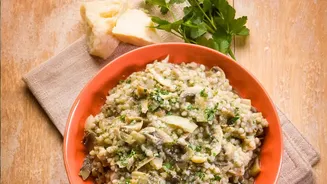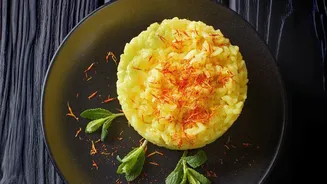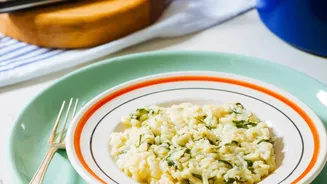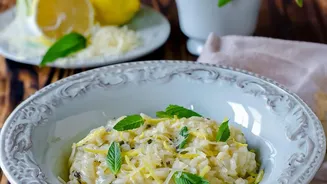



The Foundation: Understanding Risotto’s Creaminess
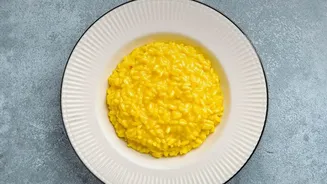
The magic of a great risotto starts with the right rice. Italian short-grain varieties like Arborio and Carnaroli are prized for their high starch content. Unlike long-grain rice, these plump grains are not meant to be rinsed, as their starchy coating
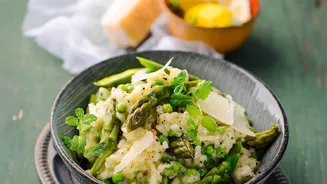
is essential for the dish's signature texture. The slow process of making risotto—gradually adding warm broth and stirring continuously—is designed to coax these starches out of the rice. This agitation creates a creamy, velvety emulsion that binds the grains together, a process the Italians call 'mantecatura', which is the final, vigorous stirring with fat like butter and cheese to create the perfect creamy union.
Why Richness Needs a Bright Counterpoint
A classic risotto is finished with butter and a generous amount of salty, nutty Parmigiano-Reggiano cheese. While delicious, this combination of starch from the rice and fat from the dairy can coat the palate, making the dish feel dense and one-note. In culinary terms, richness cries out for a counterpoint. Acidity and aroma are the perfect tools to cut through fat and refresh the senses. This is why a squeeze of lemon is so often used to brighten up creamy sauces or fried foods. It provides a burst of freshness that prevents the flavours from becoming overwhelming and flat.
The Power of Zest Over Juice
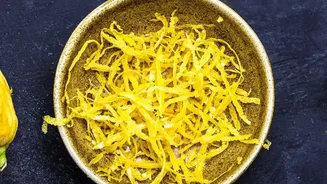
When it comes to risotto, however, reaching for lemon juice can be a mistake. The high acidity of the juice can clash with the delicate broth and, in some cases, cause the dairy to curdle. A far more elegant solution is to use the zest. The peel of a lemon is where its essential oils are stored, primarily a compound called limonene. This oil delivers an intense, pure lemon aroma and flavour without the sharp acidity of the juice. It provides that bright, floral, and pine-like fragrance that instantly signals freshness to our brain, lifting the entire dish without altering its fundamental creamy structure.
The Right Technique for Maximum Aroma
Timing is everything when working with aromatic ingredients. The volatile oils in lemon zest are delicate and can evaporate when exposed to prolonged heat. Adding the zest too early in the cooking process would mean losing all that beautiful fragrance by the time you serve. The correct moment to add fresh lemon zest is at the very end, after the risotto is removed from the heat. During the final 'mantecatura' step, as you vigorously stir in the cold butter and Parmesan to create that final wave of creaminess, add the finely grated zest. The residual heat of the rice is just enough to warm the zest, releasing its fragrant oils throughout the dish, ensuring every spoonful is bursting with vibrant aroma.
Beyond Risotto: A Universal Kitchen Tip
Mastering the art of the lemon zest finish will elevate more than just your risotto. This technique can be applied to countless other dishes. Toss it into creamy pasta sauces at the end of cooking to cut through the richness. Mix it with chopped parsley and garlic to create a classic gremolata, the perfect topping for braised meats like osso buco. You can even whip it into butter to serve over grilled fish or steamed vegetables. The principle remains the same: use it as a finishing touch to add a layer of bright, sophisticated aroma that makes simple ingredients taste extraordinary.