



A Fabric of Freedom on a Global Stage
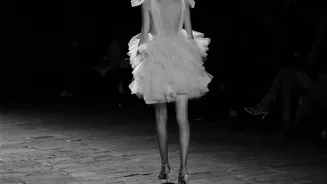
In a significant moment for Indian fashion, the hand-spun and hand-woven fabric of Khadi is set to grace the runway at New Zealand Fashion Week (NZFW) 2026. The showcase, titled 'Khadi Beyond Borders', marks a major collaboration between the Fashion Design
Council of India (FDCI) and NZFW, aimed at creating an international platform for designers from both nations. This isn't just a fashion show; it's a statement of cultural diplomacy, presenting India's historic textile to a new international audience. The event will feature a headline solo show by influential designer Rajesh Pratap Singh, known for his modern take on classic Indian textiles, alongside a collaborative runway with designers Samant Chauhan, Shruti Sancheti, and Pawan Sachdeva. This initiative is designed to demonstrate that Khadi is not just a relic of heritage but a fabric for the future.
More Than Just Material
To understand the significance of Khadi on a global stage, one must understand its history. More than just cloth, Khadi is deeply woven into the fabric of India's identity. Championed by Mahatma Gandhi during the independence movement, spinning Khadi on the charkha (spinning wheel) became a powerful symbol of self-reliance, economic empowerment, and resistance against colonial rule. Each thread was a vote for 'Swadeshi', or self-sufficiency, uniting millions of Indians in a common purpose. This legacy gives the fabric a unique soul and a powerful story that separates it from machine-made textiles. Today, this story of authenticity and mindful production resonates strongly with global values of sustainability and conscious consumerism.
The New Language of Global Styling
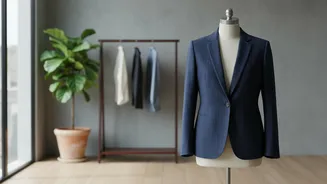
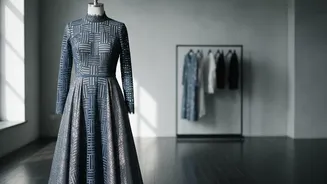
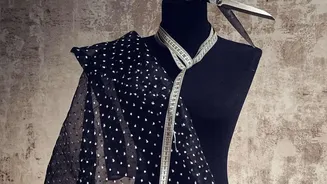
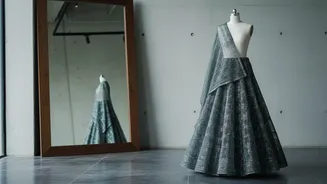
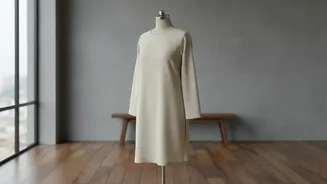
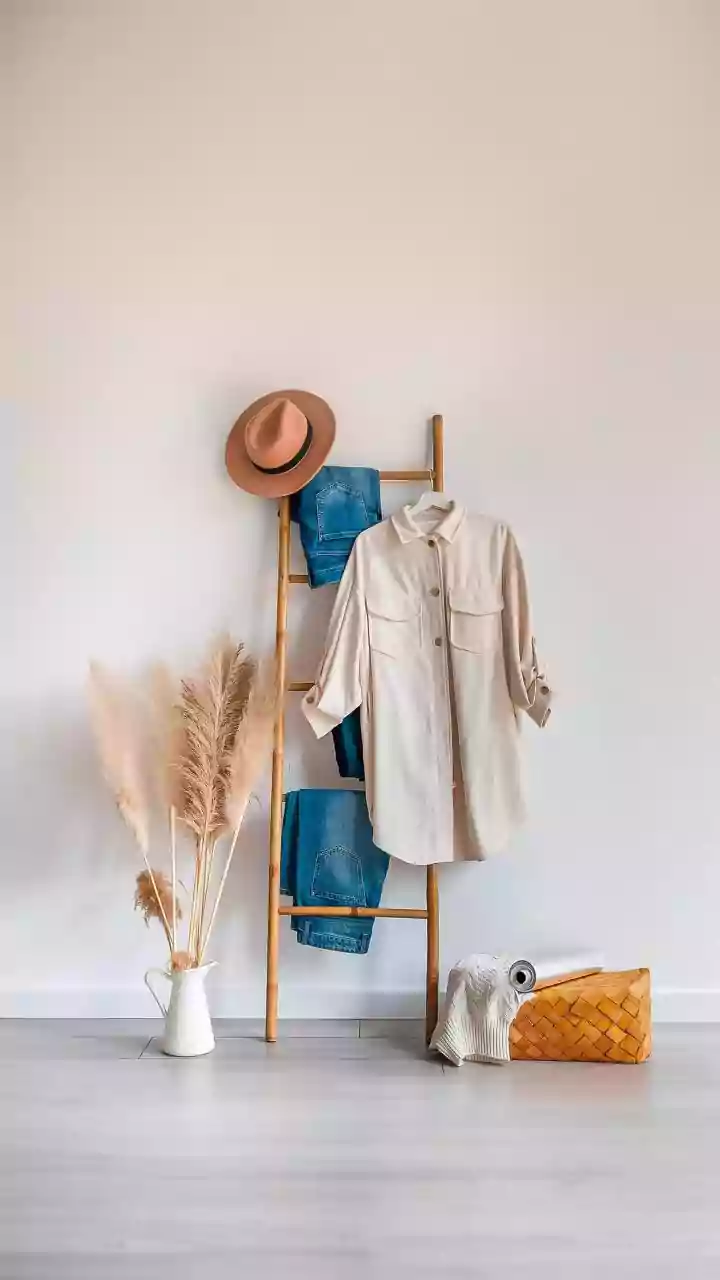
The challenge for the designers at NZFW is to translate this quintessentially Indian fabric for a contemporary, global wardrobe. The 'Khadi Beyond Borders' showcase is set to tackle this head-on. Rajesh Pratap Singh is celebrated for his precision tailoring and classic silhouettes, while Samant Chauhan focuses on heritage-rooted designs. Shruti Sancheti is known for understated luxury with a modern feel, and Pawan Sachdeva brings an experimental, street-inflected edge to menswear, proving Khadi can be 'cool'. The goal is to move beyond traditional Indian garments and explore Khadi's versatility in forms like modern dresses, tailored jackets, and separates that can be styled with anything from sneakers to formal wear. This approach highlights the fabric's breathability, unique texture, and adaptability for a trans-seasonal, international wardrobe.
Retaining the Soul of the Fabric
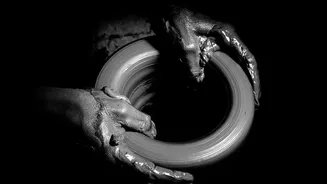
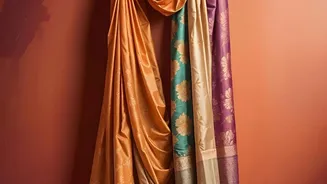
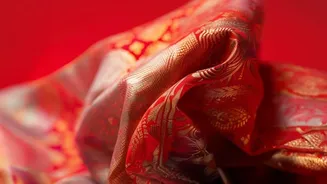
While the styling is global, the essence of Khadi remains local and artisanal. The beauty of the fabric lies in its imperfections—the minor irregularities in the hand-spun yarn and hand-woven texture that no machine can replicate. These are not seen as flaws but as marks of human touch and authenticity, telling the story of the artisan who created it. Designers are increasingly drawn to Khadi because it is a canvas that responds beautifully to natural dyes, drapes with a unique weight, and softens with age. By preserving these intrinsic qualities, the collections aim to showcase a form of luxury that is rooted in craftsmanship and sustainability, not mass production. It's a philosophy that aligns perfectly with the growing global demand for slow fashion and meaningful design.
A Global Movement for a Local Craft
The showcase at NZFW is part of a larger, concerted effort by Indian bodies like the Khadi and Village Industries Commission (KVIC) and the FDCI to position Khadi on the world map. Under the mantra “Khadi for Nation, Khadi for Fashion, and Khadi for Transformation,” there's a clear vision to make the fabric globally relevant. Such international exposure does more than just boost fashion trends; it has a direct impact on the livelihoods of the millions of artisans and weavers in India whose skills are the backbone of the Khadi industry. By presenting Khadi as a versatile, sustainable, and luxurious textile, these platforms generate new markets and create a renewed sense of pride and possibility for a craft that has been passed down through generations.