
The Enduring Allure of Historical Patterns
Before wallpaper became a budget-friendly decor staple, it was a luxury item used to mimic the expensive tapestries found in aristocratic homes. From early hand-painted Chinese papers to the block-printed rolls of 18th-century Europe, wall coverings have
always been a form of art. Today, the resurgence of vintage style is driven by a desire for character, warmth, and a story. These patterns add a layer of richness and historical charm that minimalist trends often lack. By understanding the language of these designs, you can choose a print that not only beautifies your space but also connects it to a rich design history.
Victorian Florals: Romantic and Rich
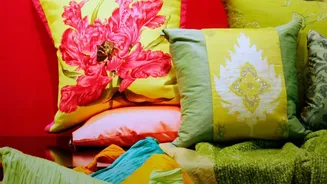
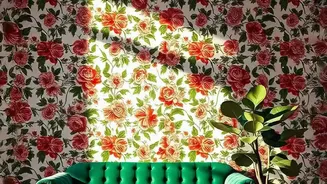
The Victorian era (1837–1901) embraced opulence, and its wallpapers were no exception. Thanks to advances in machine printing, intricate designs became accessible to the middle class for the first time. The most iconic Victorian patterns feature dense, naturalistic florals like roses and lilies, often set against dark, moody backgrounds of burgundy, forest green, or deep blue. These designs were meant to bring the beauty of nature indoors. To use this style today without overwhelming a room, try a floral feature wall in a bedroom or reading nook, pairing it with simpler modern furniture to create a sophisticated contrast.
Art Nouveau: Nature's Flowing Lines
Emerging around 1890 as a reaction against industrial rigidity, Art Nouveau is all about organic, flowing lines. Its signature is the 'whiplash' curve—a sinuous, asymmetrical line that mimics flower stalks, vines, and insect wings. Motifs are drawn directly from nature, featuring stylized irises, lilies, peacocks, and dragonflies. The colour palette is often muted and earthy, with deep greens and warm neutrals. In a modern home, Art Nouveau prints add a touch of graceful elegance. Look for patterns with strong vertical lines to create a sense of height and movement, perfect for hallways or as a backdrop in a serene living space.
Art Deco: Geometric Glamour
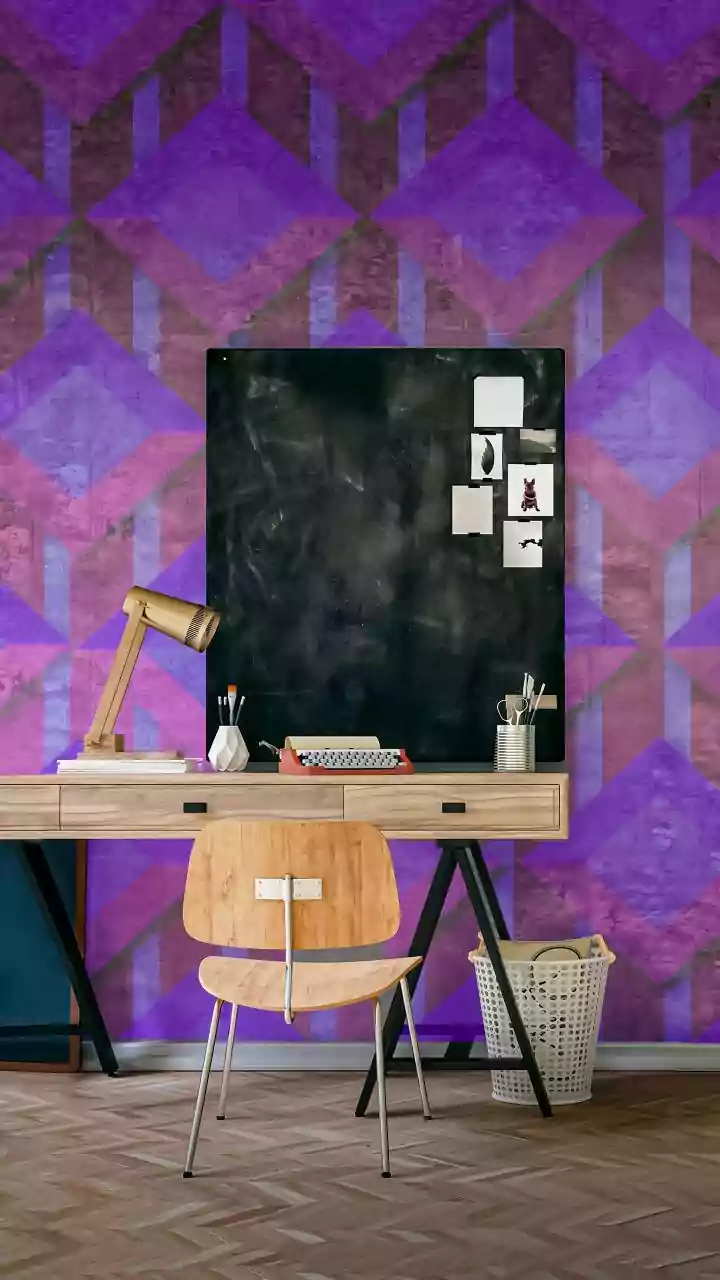
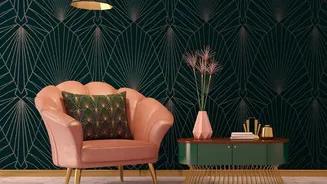
If Art Nouveau is flowing nature, Art Deco is streamlined glamour. Popular in the 1920s and 1930s, this style celebrated modernity, machinery, and luxury. Its patterns are defined by bold, symmetrical geometry: think sunbursts, chevrons, zigzags, and stepped forms. High-contrast colour schemes like black and gold are common, along with rich jewel tones and metallic accents that add a touch of opulence. Art Deco wallpapers make a confident statement. Use a geometric fan or sunburst pattern to create a dramatic focal point in a dining room or entryway, and pair it with sleek furniture and metallic accessories to complete the sophisticated look.
Mid-Century Modern: Playful and Abstract
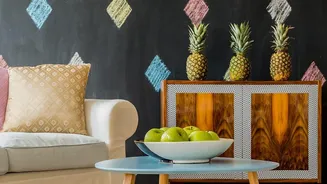
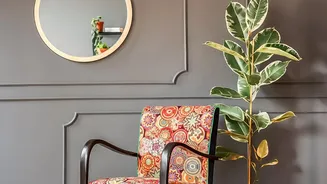
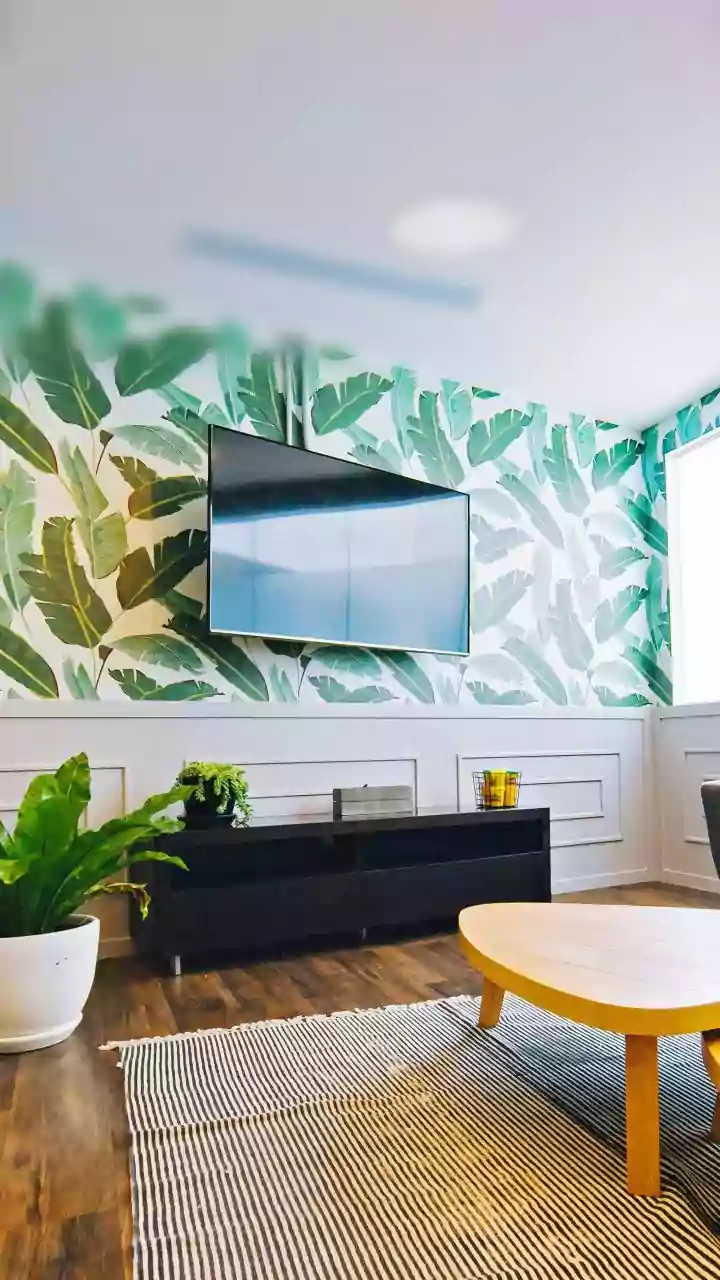
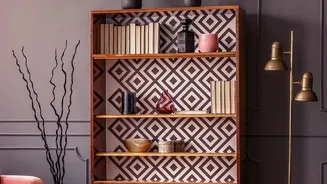
Spanning from the 1940s to the 1960s, Mid-Century Modern design is known for its clean lines, functionality, and sense of optimism. The wallpaper from this era reflects this with playful, abstract, and geometric patterns. Common motifs include starbursts, simple circles and squares, and stylized organic shapes. The colour palette is distinctively earthy and warm, featuring mustard yellow, olive green, burnt orange, and teal. These designs are incredibly versatile. A small-scale geometric can add subtle texture to a room, while a bold, abstract print makes for a fun and energetic feature wall, especially when paired with teak or walnut furniture.
Tips for Modern Integration
Bringing vintage prints into a modern home is all about balance. First, consider scale; a large, bold pattern works best on a single feature wall to avoid overwhelming the space, while smaller, more delicate patterns can be used more broadly. Create cohesion by picking out one or two colours from the wallpaper and repeating them in your cushions, rugs, or other accessories. Don't be afraid to mix and match. A vintage floral print can look stunning against a sleek, modern sofa. The key is to let the wallpaper be the star, keeping surrounding furniture relatively minimal to allow the pattern to shine.